
Chess Strategy: Complete Beginner Guide to Positional Play
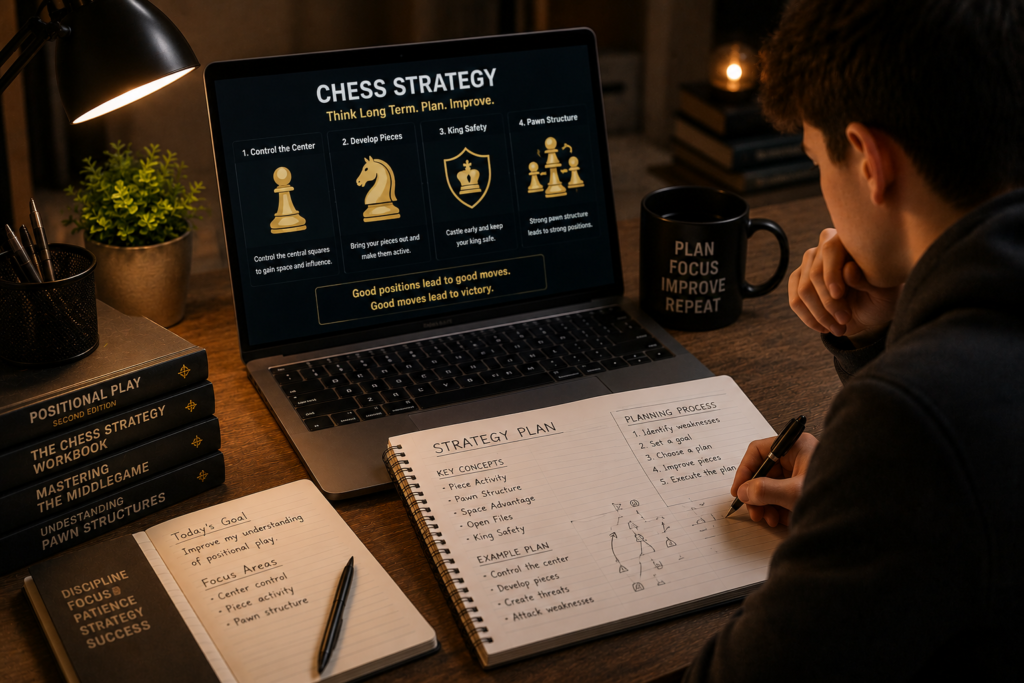
Many beginners focus only on tactics and immediate threats, but strong chess improvement also requires understanding strategy. If you’re just getting started, it’s helpful to first learn chess online through a structured progression before diving deeper into strategy. But strong chess improvement also requires understanding strategy.
Chess strategy is the long-term planning side of chess. It helps players understand where pieces belong, how to create plans, and how to improve positions step by step.
Without a strategy, players often:
- move pieces randomly
- create weak positions
- miss long-term opportunities
- struggle in quiet positions
In this complete beginner guide, you’ll learn:
- what does ‘chess strategy’ mean?
- the most important strategic concepts
- how to create plans?
- common beginner strategic mistakes
- how to improve positional understanding?
By understanding chess strategy, beginners can play with more confidence, better coordination, and clearer plans.
Strategy becomes much easier once you’ve mastered the basics. If you’re starting from scratch, begin with our Complete Beginner Chess Guide.
Why Chess Strategy Matters
Many beginners believe chess is only about tactics.
While tactics are important, strategy helps players:
- prepare tactical opportunities
- improve piece coordination
- create long-term advantages
- avoid weak positions
- play with a clear plan
A strong strategy allows players to gradually improve their positions instead of relying only on short combinations.
Strategy vs Tactics in Chess
Tactics usually involve the following:
- immediate threats
- combinations
- forcing moves
- winning material quickly
Strategy focuses on:
- long-term planning
- piece placement
- pawn structure
- positional advantages
Strong chess players combine both strategy and tactics together. Learning how these two areas complement each other is one of the most effective ways to improve at chess over time.
The Most Important Chess Strategy Concepts
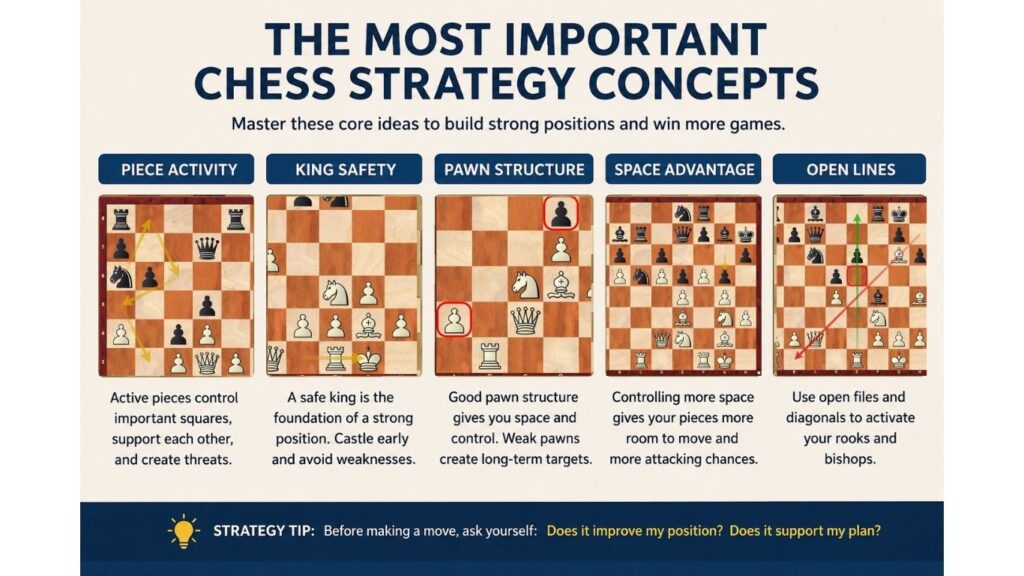
Understanding a few core strategic ideas can dramatically improve beginner chess games.
Piece Activity
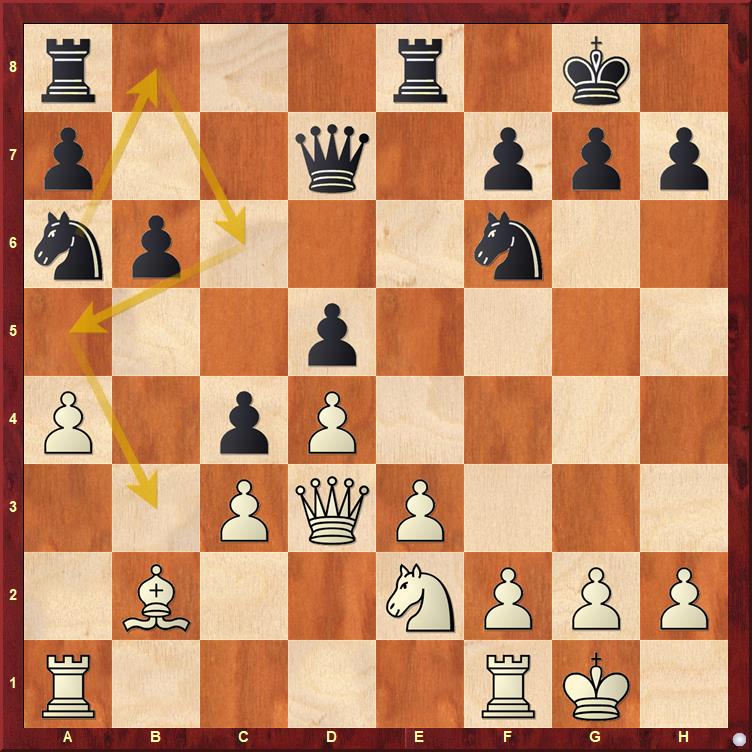
One of the most important strategic ideas is piece activity.
Active pieces:
- control important squares
- attack effectively
- support each other
- create pressure
Inactive pieces often become defensive and ineffective.
Beginners should constantly ask:
- are my pieces active?
- which piece is poorly placed?
- how can I improve my worst piece?
King Safety
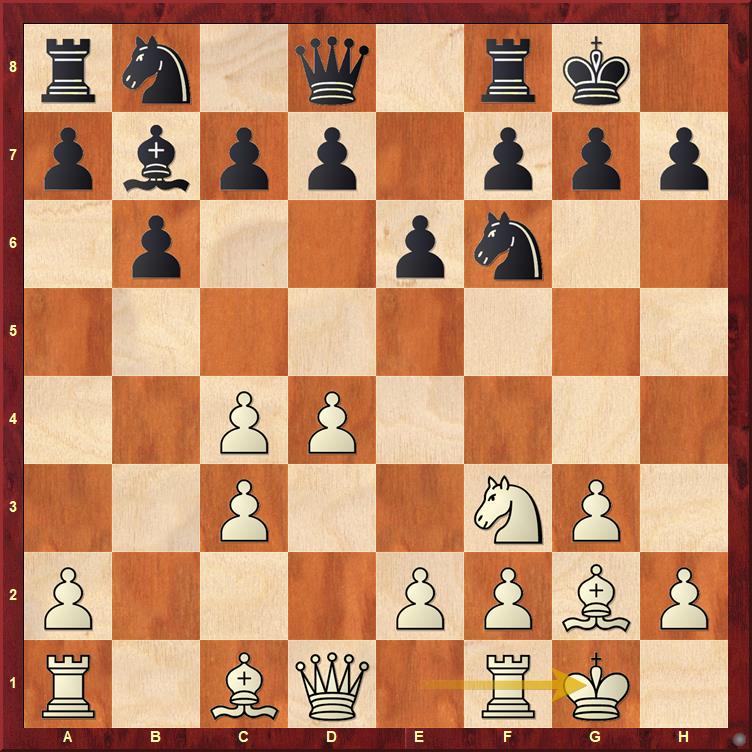
Even strong attacks fail if your king is safe.
Good strategic players:
- castle early
- avoid unnecessary pawn weaknesses
- keep defensive coordination
King safety becomes especially important during middlegames.
Pawn Structure
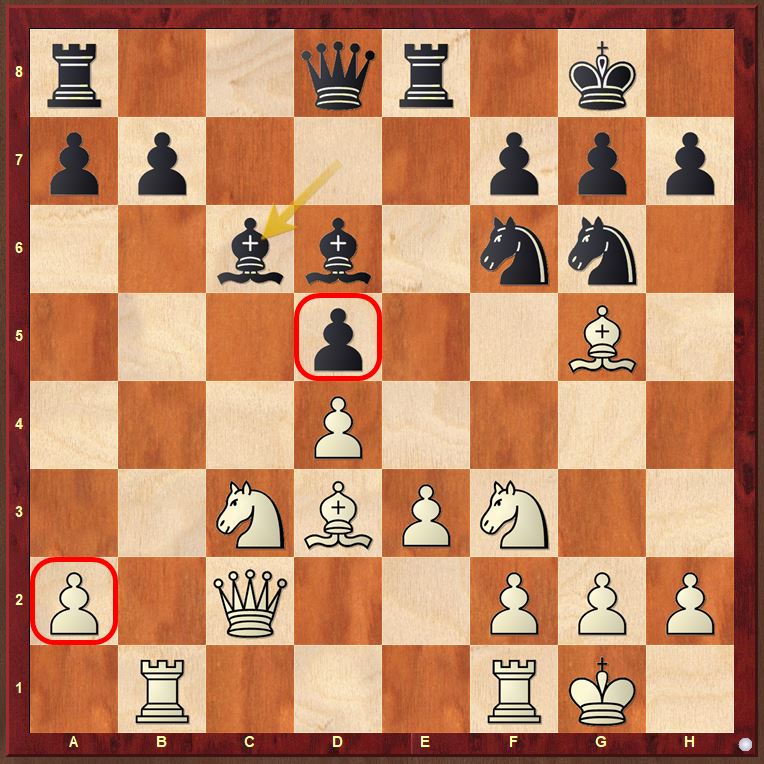
Pawn structure forms the foundation of strategic play.
Weak pawn structures can create:
- isolated pawns
- doubled pawns
- backward pawns
- weak squares
- poor coordination
Strong pawn structures create:
- space
- stability
- control
- long-term advantages
Space Advantage
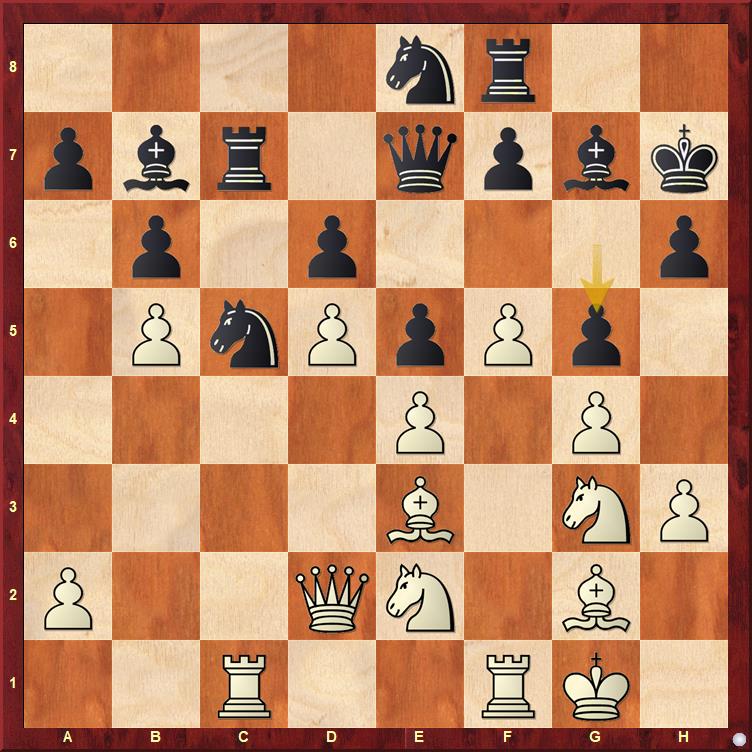
Space means controlling more areas of the board.
Players with more space usually:
- have greater mobility
- place pieces more actively
- create attacking chances more easily
However, beginners must also avoid overextending.
Open Files and Diagonals
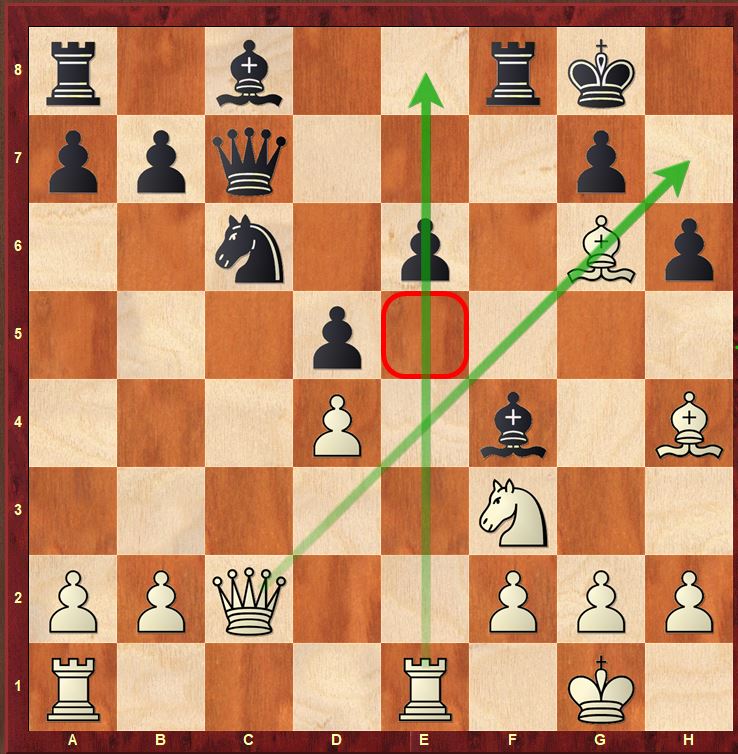
Rooks and bishops become stronger when lines open.
Strategic players often:
- place rooks on open files
- activate bishops on long diagonals
- create pressure on weak targets
How to Create a Chess Plan
Many beginners struggle because they make moves without a clear plan.
Strategic planning helps players:
- coordinate pieces
- improve positions
- create long-term pressure
Identify Weaknesses
Look for:
- weak pawns
- exposed kings
- undefended pieces
- weak squares
These often become targets.
Improve the Worst Piece
A common strategic principle is:
👉 Improve your worst-placed piece.
Instead of attacking immediately, strong players first improve coordination.
Think About Piece Coordination
A strong strategy involves making pieces work together.
Good coordination creates the following:
- stronger attacks
- better defense
- tactical opportunities
Common Strategic Mistakes Beginners Make
Many beginners lose games because of poor strategic decisions rather than tactics alone.
Moving the Same Piece Repeatedly
This wastes time and slows development.
Beginners should focus on:
- developing all pieces
- improving coordination
- controlling the center
Ignoring Pawn Weaknesses
Many beginners push pawns without understanding long-term consequences.
Weak pawn structures often become permanent weaknesses.
Playing Without a Plan
Random moves create confusion and weak positions.
Beginners improve faster when every move supports:
- development
- the king’s safety
- coordination
- strategic goals
Middlegame Strategy for Beginners
The middlegame is where strategic understanding becomes most important.
Strong middlegame strategy includes:
- improving piece activity
- attacking weaknesses
- controlling open lines
- coordinating attacks
Improve Piece Placement
Before launching attacks, improve:
- rook activity
- bishop diagonals
- knight outposts
- queen coordination
Control Key Squares
Strong players fight for:
- central squares
- outposts
- open files
- weak squares near the king
Avoid Unnecessary Pawn Moves
Too many pawn moves can:
- weaken the king’s safety
- create holes
- reduce flexibility
Strategic players use pawn moves carefully.
How to Improve Your Chess Strategy
Strategic improvement takes time and consistent practice.
Beginners should focus on understanding ideas instead of memorizing moves.
Analyze Your Games
| Game analysis helps players identify strategic mistakes, poor plans, and weak coordination. Regular game review is one of the most effective ways to improve at chess. |
Study Strong Players
Watching strong games helps beginners understand:
- planning
- piece coordination
- positional pressure
Practice Slower Games
Rapid and classical games improve strategic thinking much more than constant blitz games.
Slower games help players:
- calculate carefully
- create plans
- evaluate positions
Chess Strategy for Long-Term Improvement
A strong strategy creates long-term improvement because it helps players understand:
- Why moves work
- How positions evolve
- How to create plans independently
Instead of relying only on memorization, strategic understanding builds deeper chess skill.
Strategic thinking doesn’t only help players make better moves on the chessboard. As beginners learn to plan, evaluate options, and make thoughtful decisions, they also develop habits that can support learning beyond chess. If you’re interested in these wider educational outcomes, explore our guide on the benefits of chess for kids.
Frequently Asked Questions About Chess Strategy
What is chess strategy?
Chess strategy is the long-term planning side of chess, involving:
- piece activity
- pawn structure
- the king’s safety
- positional improvement
What is the difference between tactics and strategy?
Tactics involve immediate combinations and threats.
Strategy focuses on long-term planning and positional improvement.
How can beginners improve their chess strategy?
Beginners improve strategy by:
- analyzing games
- studying strategic concepts
- playing slower games
- improving positional understanding
Is strategy more important than tactics?
Both are important.
Strategy creates strong positions, while tactics often convert advantages into concrete results.
Start Learning Chess Strategy Step by Step
Improving chess strategy takes patience and consistent practice.
Beginners who focus on:
- positional understanding
- planning
- coordination
- strategic thinking
usually improve much faster over time.
If you want to build a stronger overall chess understanding, explore the following:
👉 Improve at Chess
https://onlinechesscoaching.com/improve-at-chess/
AND
👉 Learn Chess Online
https://onlinechesscoaching.com/learn-chess-online/