
Forks in Chess: Definition, Examples, and How to Spot Them
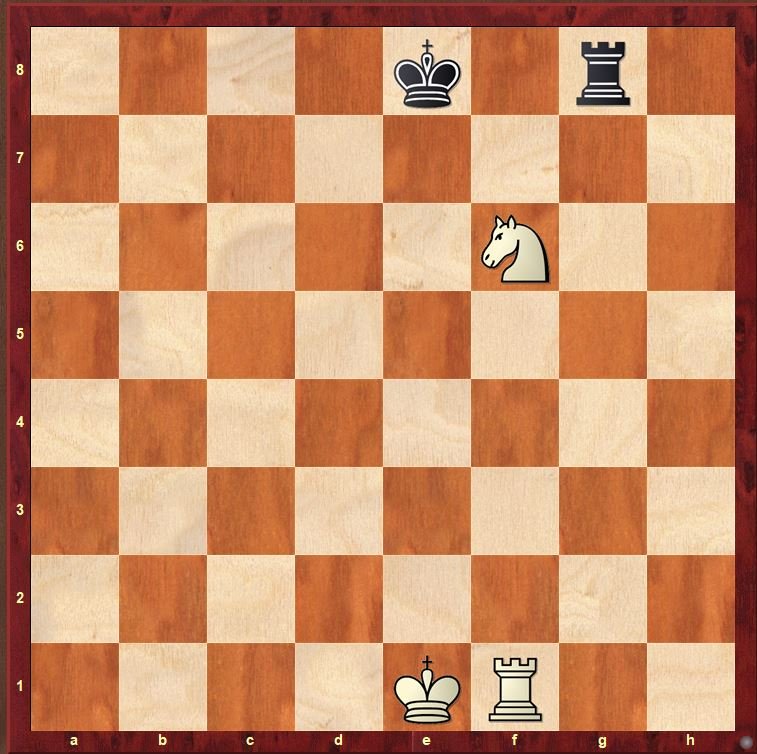
A fork is one of the most powerful tactical patterns in chess. It occurs when a single piece attacks two or more opponent pieces at the same time. Because your opponent can usually respond to only one threat, a successful fork often wins material or creates a significant advantage.
For beginners, learning how forks work is one of the fastest ways to improve tactical awareness. Forks appear in games at every level, from beginner tournaments to grandmaster competition.
In this guide, you’ll learn what a fork is, why it works, common fork patterns, how to spot forks, how to avoid them, and how to improve your tactical vision.
What Is a Fork in Chess?
A fork in chess is a tactical pattern where one piece attacks two or more opponent pieces simultaneously. Because the opponent usually cannot defend every threatened piece, forks often win material or create a decisive advantage.
A fork is one of the most common forms of a double attack. The attacking piece creates multiple threats at once, forcing the opponent into a difficult decision.
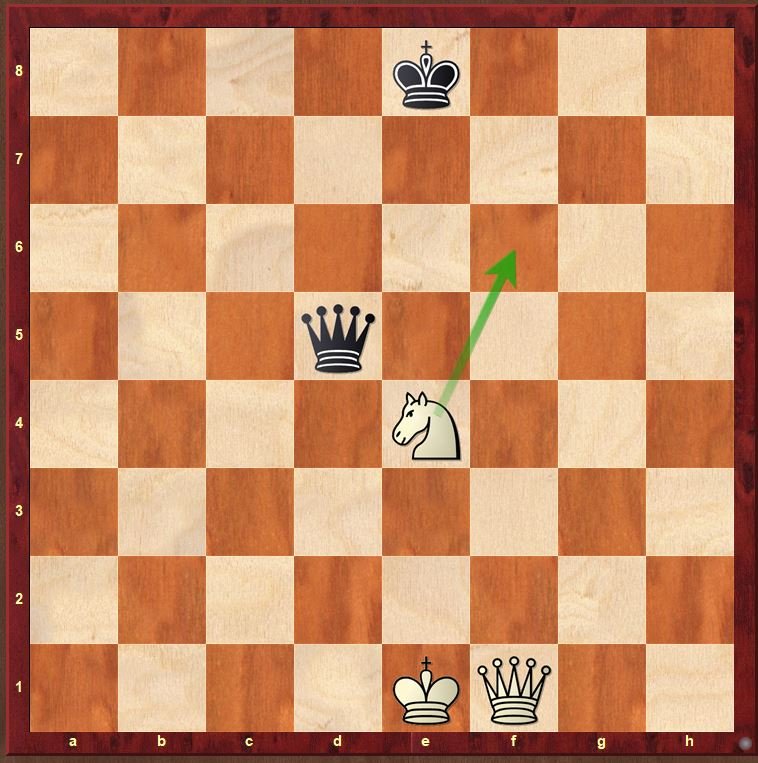
For example, if a knight attacks both the opponent’s king and queen, the king must respond to the check, allowing the queen to be captured on the following move.
This simple tactical idea wins countless games and is one of the first tactical motifs every chess player should learn.
Quick Summary
- A fork attacks two or more targets simultaneously.
- The knight is the piece most commonly associated with forks.
- Forks are a type of double attack.
- Forks often win material because the opponent cannot defend every threat.
- Pawns, queens, rooks, bishops, kings, and knights can all create forks.
- Pattern recognition and puzzle practice improve fork awareness.
- Forks are among the most important tactical motifs for beginners.
Why Are Forks So Effective?
Forks create multiple threats with a single move.
When two valuable targets are attacked at the same time, the opponent is often forced to save one piece while losing another.
Common fork targets include:
- King and queen
- King and rook
- Queen and rook
- Queen and bishop
- Queen and knight
- Two minor pieces
- Multiple undefended pieces
The greater the value of the attacked pieces, the stronger the fork becomes.
One reason forks are so effective is that many players focus on a single threat. A fork punishes this habit by creating several threats at once.
Fork vs Double Attack
Many beginners use the terms fork and double attack interchangeably.
A double attack occurs whenever a player attacks two targets simultaneously.
A fork is a specific type of double attack where a single piece attacks multiple targets at once.
Simple Rule
- All forks are double attacks.
- Not all double attacks are forks.
Understanding this distinction helps players recognize tactical opportunities more accurately.
Which Pieces Can Create Forks?
Many players associate forks only with knights, but every chess piece can create forks.
Knight Forks
The knight is famous for creating forks because of its unusual movement pattern.
A knight can attack up to eight squares simultaneously, making it difficult to predict and defend against.
Knight forks frequently target the following:
- King and queen
- King and rook
- Queen and rook
- Two undefended pieces
Because knights can jump over pieces, fork opportunities often appear unexpectedly.
Queen Forks
The queen’s long-range movement allows it to attack multiple targets from a distance.
A queen fork often combines the following:
- Check against the king
- An attack against a rook, bishop, or queen
Queen forks are especially dangerous when the opponent’s king lacks protection.
Pawn Forks
Many beginners underestimate pawns.
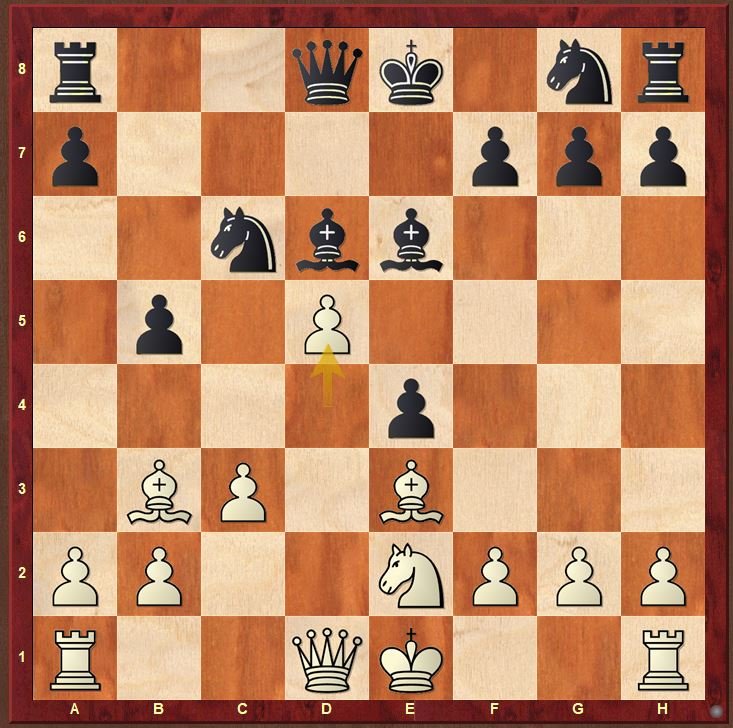
A pawn fork can attack two higher-value pieces simultaneously and often wins material.
Common examples include:
- Pawn attacking two knights
- Pawn attacking a rook and a bishop
- Pawn attacking a queen and a knight
Pawn forks frequently occur in crowded middlegame positions.
King Forks
Even the king can create forks.
During endgames, an active king may attack multiple enemy pieces simultaneously.
Bishop and Rook Forks
Bishops and rooks can also create forks by attacking multiple targets along ranks, files, or diagonals.
Common Fork Patterns Every Beginner Should Know
King and Queen Fork
The most famous fork pattern.
Usually created by a knight.
The king must respond to check, allowing the queen to be captured.
King and Rook Fork
Often wins a rook or forces a favourable exchange.
Queen and Rook Fork
Common in tactical combinations involving queens.
Queen and Minor Piece Fork
Frequently seen in beginner games where pieces are left undefended.
Pawn Fork
A simple pawn move attacks two valuable pieces simultaneously.
Endgame King Fork
An active king attacks two pieces and wins material during the endgame.
Recognizing these recurring patterns dramatically improves tactical awareness.
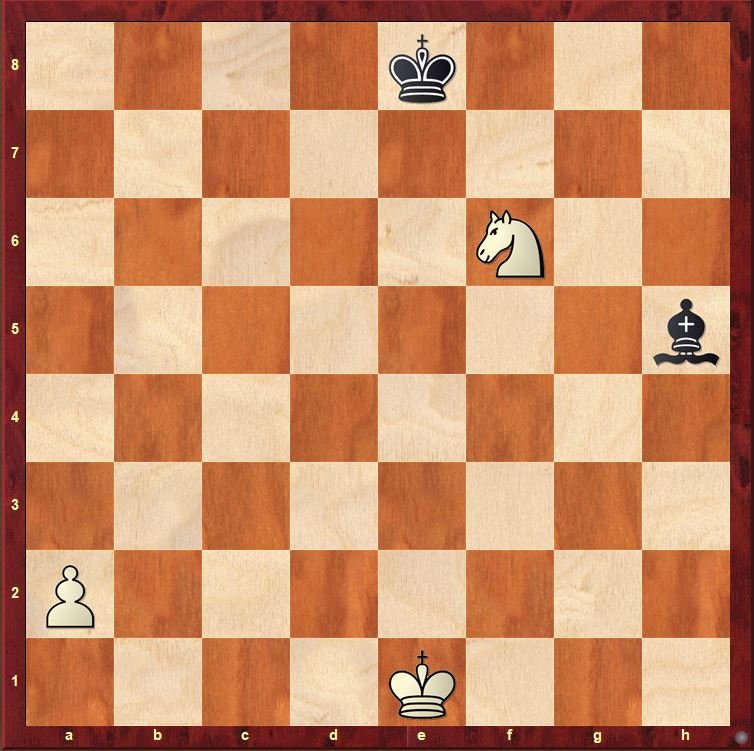
Knight fork attacking the king and bishop in a chess position
Example of a Knight Fork
Imagine the following position:
- Your knight jumps to a central square.
- The move gives a check to the opponent’s king.
- The same knight attacks the opponent’s queen.
- The opponent must move the king.
- On the next move, you capture the queen.
This pattern appears regularly in beginner, intermediate, and advanced games.
One pattern I’ve repeatedly noticed while coaching students is that knight forks become much easier to spot once players deliberately look for them before every move.
How to Spot Fork Opportunities
Before making a move, ask yourself:
- Can I attack two pieces at once?
- Are any enemy pieces undefended?
- Can my knight jump to a strong central square?
- Can a pawn advance and attack multiple pieces?
- Can my queen create a double attack?
- Is the opponent’s king exposed?
- Can I combine a check with another threat?
These questions train tactical awareness and improve pattern recognition.
Common Beginner Mistakes With Forks
Missing Knight Jumps
Beginners often underestimate the knight’s unique movement pattern.
Ignoring Undefended Pieces
Loose pieces frequently become fork targets.
Focusing on Only One Threat
Players often see a direct attack but miss a stronger tactical opportunity.
Playing Too Quickly
Forks are frequently discovered during a brief tactical check before moving.
Forgetting Defensive Awareness
Many players create fork opportunities for their opponents without noticing.
How to Avoid Being Forked
To reduce fork opportunities:
- Avoid placing valuable pieces close together.
- Watch for enemy knight jumps.
- Keep pieces coordinated.
- Protect loose pieces.
- Pay attention to pawn advances.
- Perform a tactical scan before ending your turn.
- Ask yourself whether your opponent has a double attack available.
Pawn Fork Example
Pawn fork attacking two higher-value chess pieces
Daily Training Routine for Fork Recognition
5 Minutes — Solve Fork Puzzles
Focus exclusively on fork tactics.
5 Minutes — Review Your Mistakes
Analyze your games and identify missed forks.
5 Minutes — Study Master Games
Look for tactical opportunities created by strong players.
5 Minutes — Practice Double Attacks
Train related tactical patterns that strengthen fork recognition.
Related Tactical Patterns
As players improve, they learn to recognize a wider range of tactical motifs.
Related tactical patterns include:
- Forks in Chess
- Pins in Chess
- Skewers in Chess
- Discovered Attacks in Chess
- Double Attacks in Chess
- Deflection in Chess
- Removal of the Defender
- Attraction in Chess
Understanding how these tactical ideas work together improves calculation and pattern recognition.
Suggested Reading
- Chess Tactics for Beginners
- Double Attacks in Chess
- Pins in Chess
- Skewers in Chess
- Discovered Attacks in Chess
- How to Improve Tactical Vision
- Best Chess Puzzle Training Methods
Frequently Asked Questions
What is a fork in chess?
A fork is a tactical pattern where one piece attacks two or more targets simultaneously.
Which piece creates forks most often?
The knight is most commonly associated with forks.
Is a fork the same as a double attack?
A fork is a specific type of double attack.
Can a queen create a fork?
Yes. Queens frequently create forks by attacking multiple pieces.
Can a pawn create a fork?
Yes. Pawn forks are common and often attack higher-value pieces.
What is a knight fork?
A knight fork occurs when a knight attacks two or more opponent pieces simultaneously.
How do I practice forks?
The best method is solving tactical puzzles and reviewing practical game examples.
Are forks common in beginner chess?
Yes. Forks appear frequently because beginners often leave pieces undefended.
What is the difference between a fork and a skewer?
A fork attacks multiple targets simultaneously, while a skewer attacks aligned pieces.
Why are forks important?
Forks help players win material, create threats, and improve tactical awareness.
Improve Your Tactical Awareness With Structured Training
Learning tactical patterns like pins helps beginners develop stronger board vision, better calculation habits, and greater confidence during games.
Over time, recognizing patterns such as pins, forks, skewers, and discovered attacks becomes an important part of improving tactical awareness and reducing mistakes.
Over the years, I’ve found that many students understand what a pin is but struggle to recognize practical pin opportunities during their own games. Structured training helps transform tactical knowledge into reliable pattern recognition and better decision-making.
Explore Structured Chess Coaching
If you’re looking to improve your tactical vision, calculation skills, and overall chess understanding, a structured coaching program can provide personalized guidance and a clear improvement pathway.