
How to Play Chess for Beginners in 11 Steps (Step-by-Step Guide)

Want to learn how to play chess but don’t know where to start?
You’re in the right place.
Learning how to play chess for beginners can feel confusing at first—but once you understand the basics, it becomes one of the most enjoyable and rewarding games you can play.
In this beginner-friendly guide, you’ll learn how to play chess step by step, including:
- The rules of chess
- How each piece moves
- Winning strategies for beginners
- Practical tips to improve quickly
By the end of this guide, you’ll be able to play a complete game of chess with confidence—even if you’re starting from zero.
Looking for a complete roadmap? Read our Complete Beginner Chess Guide to understand how this lesson fits into your overall learning journey.
If you want a complete, step-by-step roadmap to learning chess, explore our detailed guide on Learn Chess Online.
What Is Chess?
Chess is a strategy board game played between two players on an 8×8 board with 64 squares. Each player controls 16 pieces and aims to checkmate the opponent’s king.
But chess is more than just a game—it’s a powerful mental workout.
Playing chess helps you improve:
- Critical thinking
- Focus and concentration
- Problem-solving skills
- Decision-making ability
That’s why millions of beginners start learning chess every year—and you can too.
Step 1: How to Set Up a Chessboard
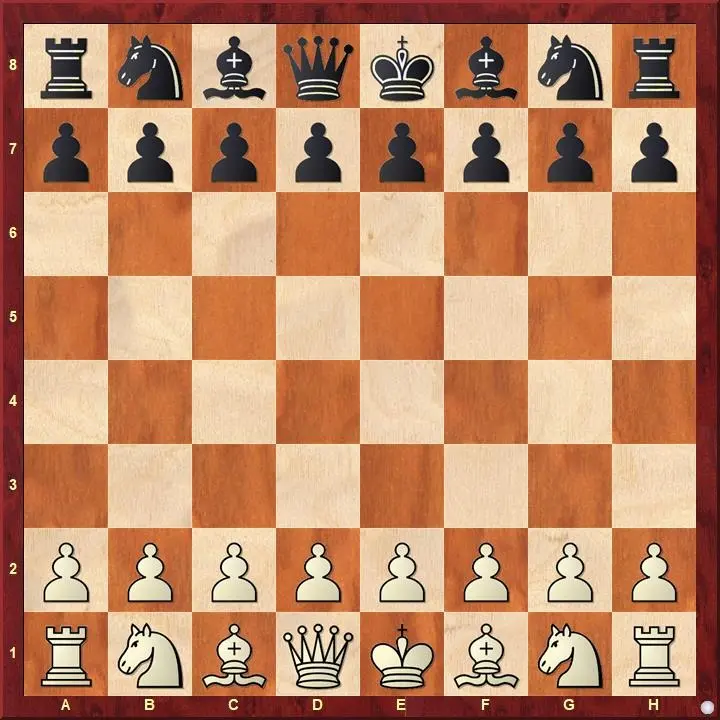
Before you start playing, you must set up the chessboard correctly. This is the foundation of the game.
Golden Rule: “White square on the right.”
Make sure the bottom-right corner of the board is always a white square—this ensures the board is oriented properly.
Chess Piece Setup (Easy Guide)
Place the pieces in this exact order:
- Rooks → corners of the board
- Knights → next to the rooks
- Bishops → next to the knights
- Queen → on her own colour square
- King → next to the queen
- Pawns → fill the entire row in front
How Many Pieces Does Each Player Have?
Each player starts with 16 pieces:
- 1 King
- 1 Queen
- 2 Rooks
- 2 Bishops
- 2 Knights
- 8 Pawns
Beginner Tip:
If your queen is not on her matching-colour square, your board setup is incorrect—double-check it before starting the game.
Getting this step right makes everything else in chess much easier to understand.
Step 2: Who Goes First in Chess?
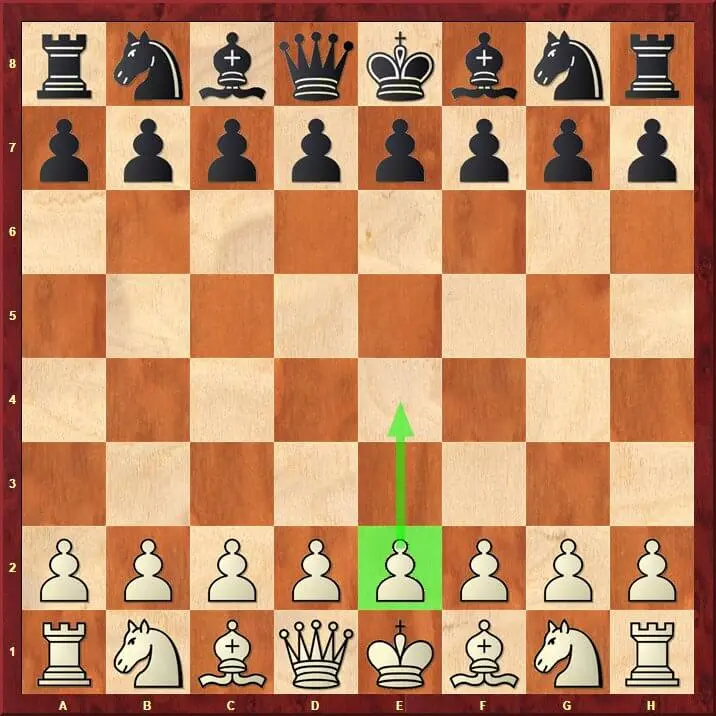
In chess, the player with the white pieces always moves first.
Thereafter, players take turns making one move at a time:
White → Black → White → Black… and so on.
Why Does White Go First?
Going first provides White a small advantage because:
- You can control the center early
- You can develop your pieces faster
You can start attacking sooner
Beginner Tip
Try opening with moves like e4 or d4—these help you control the center right from the start.
Even though White moves first, smart play matters more than colour—so don’t worry if you’re playing Black.
Step 3: How Chess Pieces Move (Beginner-Friendly Guide)
Understanding how each chess piece moves is the most important skill in the game. Once you learn this, you can start playing immediately.
♔ King
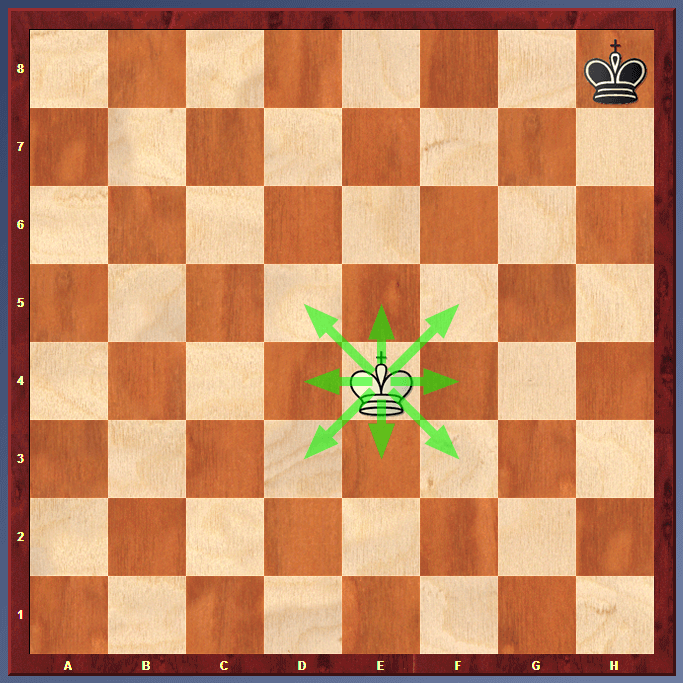
- Moves 1 square in any direction
- Cannot move into danger (check)
The king is the most important piece—protect it at all costs.
♕ Queen
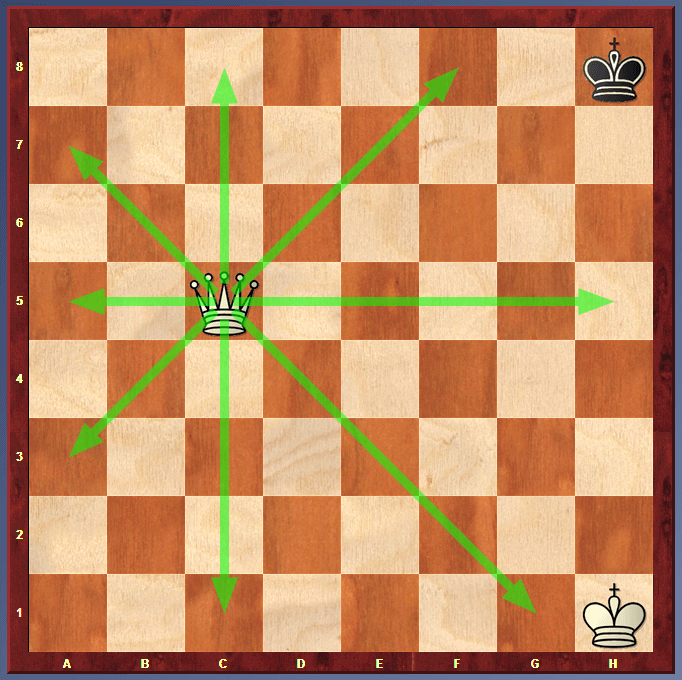
- Moves any number of squares. Can go forward, backwards, sideways, or diagonally
♖ Rook
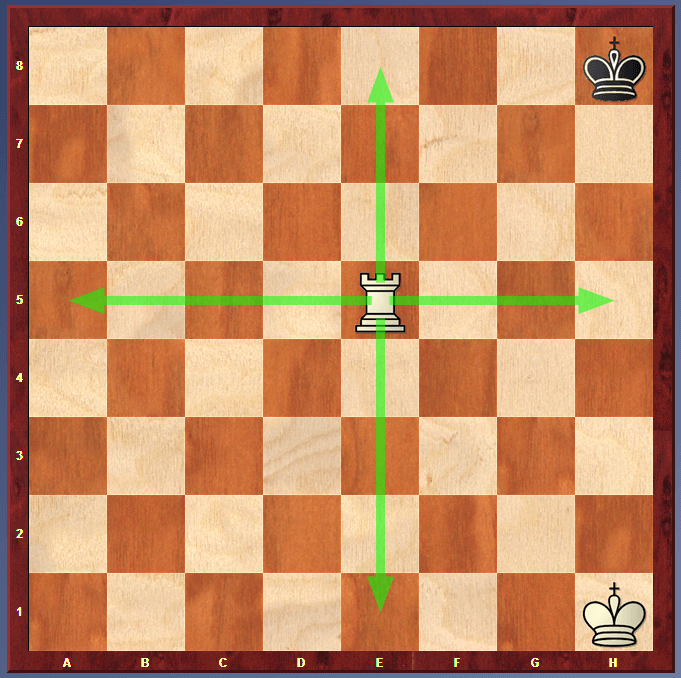
- Moves in straight lines only
- Horizontal and vertical directions
♗ Bishop
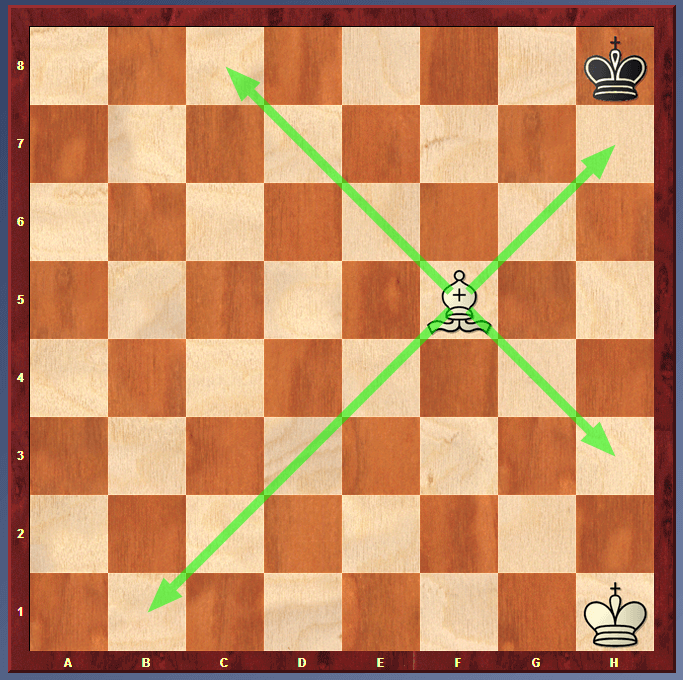
- Moves diagonally only
- Each bishop stays on one colour (light or dark)
♘ Knight
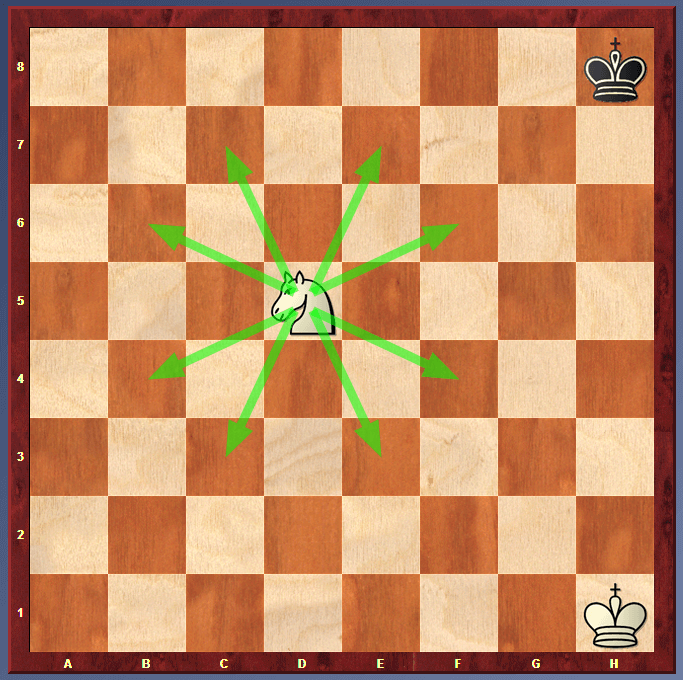
- Moves in an L-shape
(2 squares in one direction + 1 sideways) - Can jump over other pieces
This makes the knight very tricky and powerful in crowded positions.
♙ Pawn (Most Important for Beginners)
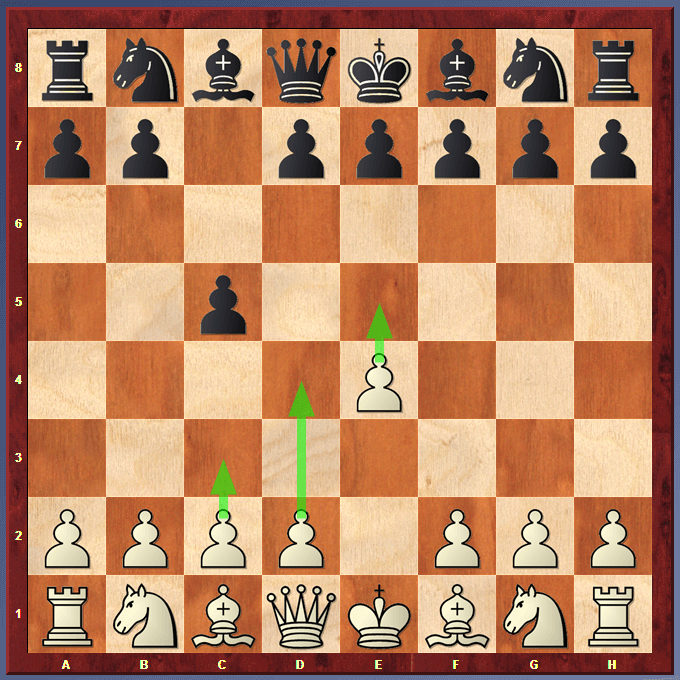
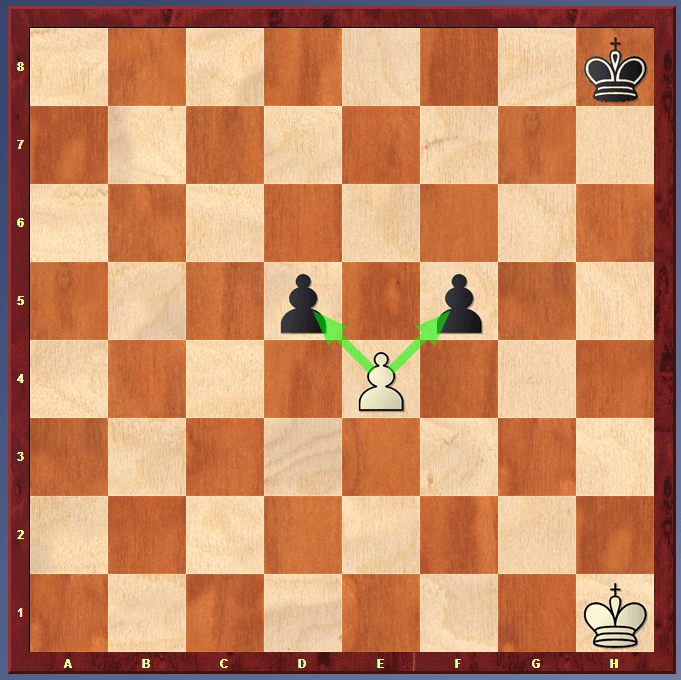
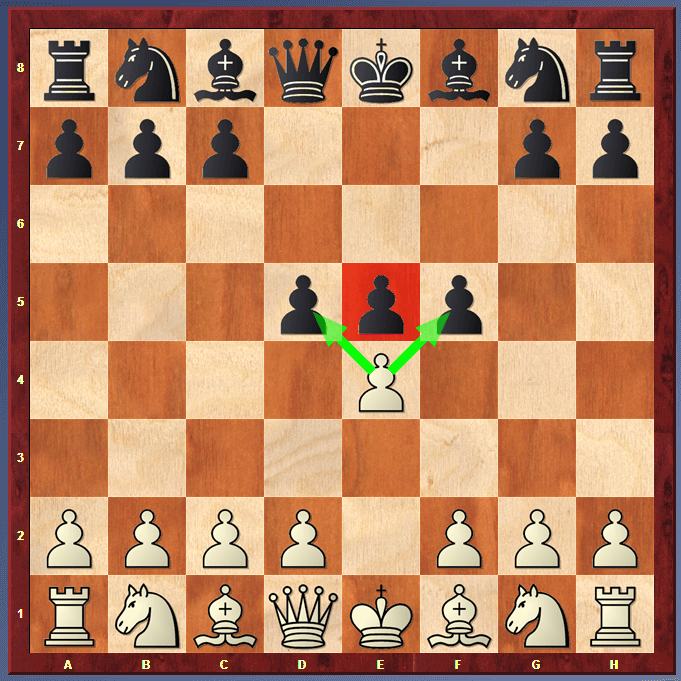
Pawns have special rules:
- Move forward only
- Move 2 squares on their first move
- Capture diagonally
- Cannot move backwards
Pawns may look small, but they play a huge role in winning games.
Beginner Tip
If you’re ever confused, remember:
Knights jump, bishops slide diagonally, rooks go straight, the queen does everything, and the king moves one step.
Mastering piece movement is the first big milestone in your chess journey.
Step 4: Special Chess Moves (Easy to Understand)
In chess, there are a few special moves that beginners often find confusing—but once you understand them, they’re actually simple.
Castling (Most Important)
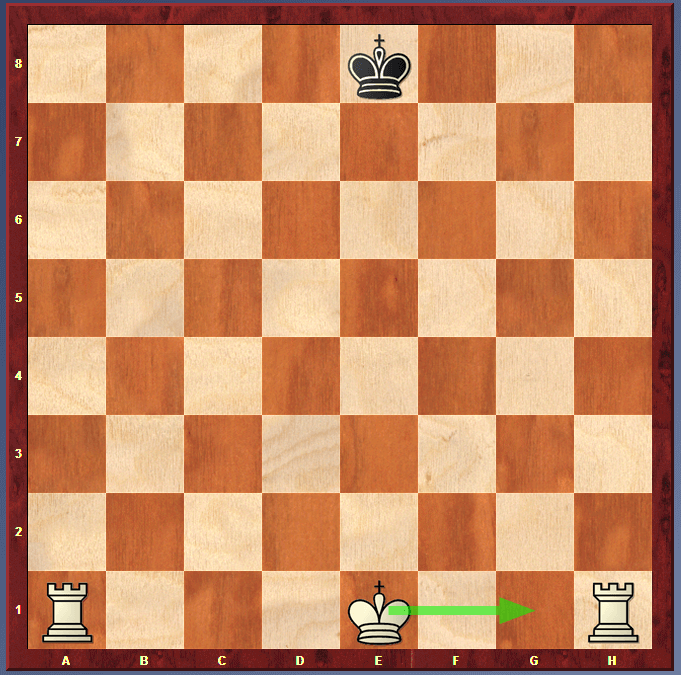
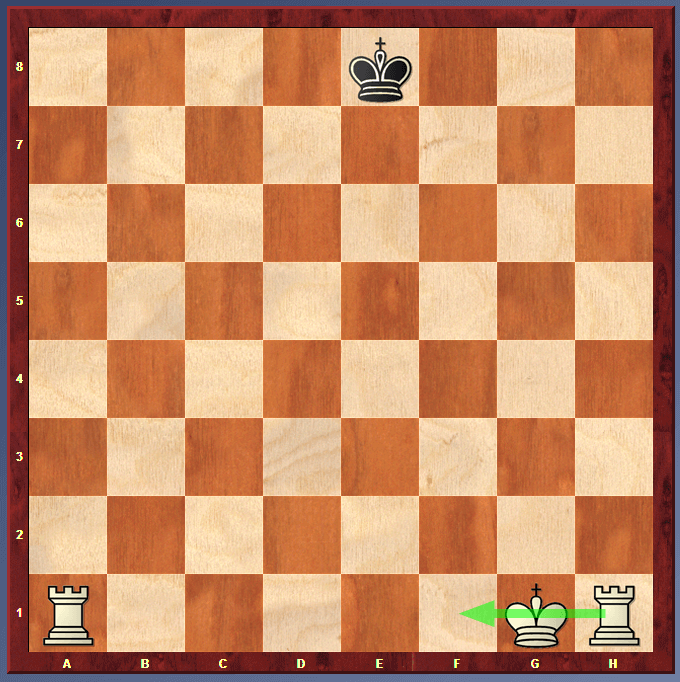
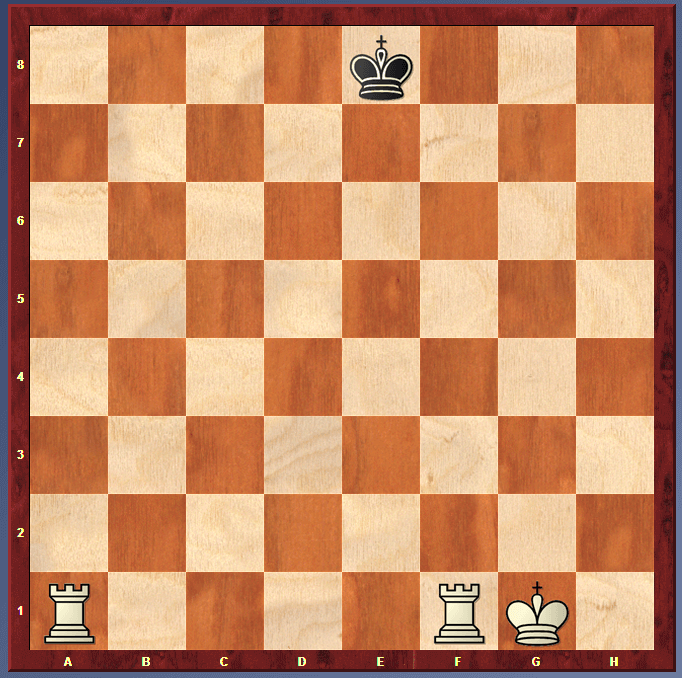
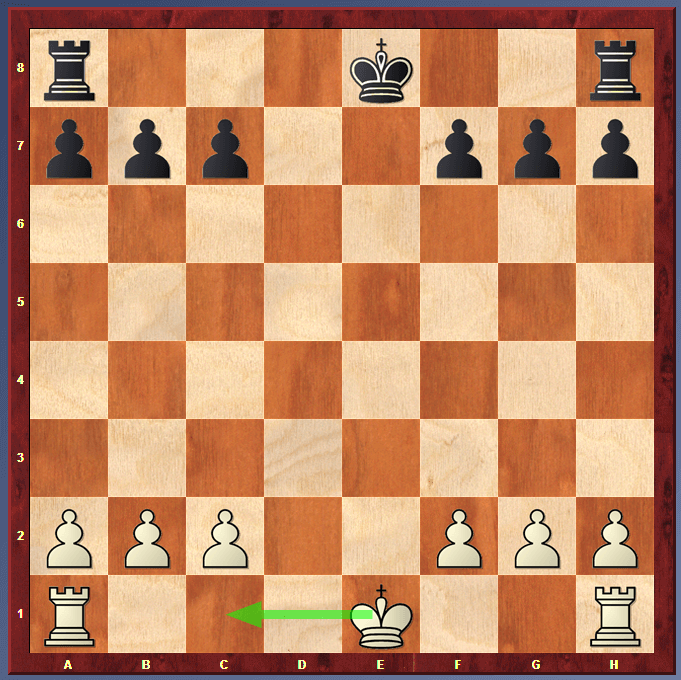
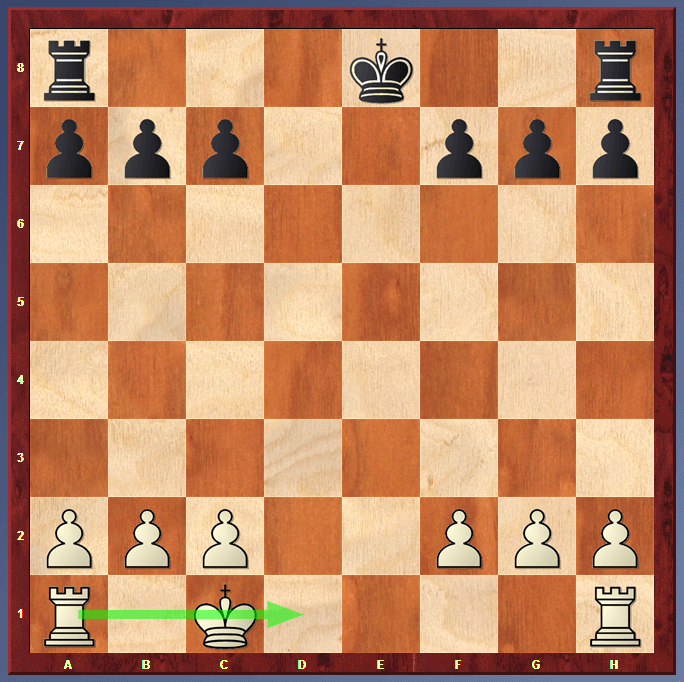
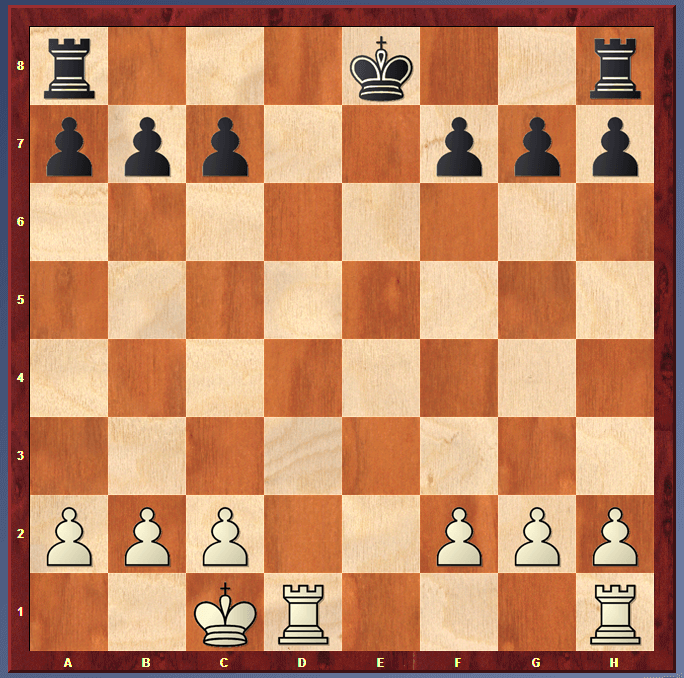
Castling is the only move where two pieces move at the same time:
- The king moves 2 squares towards a rook
The rook jumps over the king
Purpose:
- Protect your king
- Activate your rook
You can only castle if:
- The king and the rook haven’t moved before
- No pieces are between them
- The king is not in check
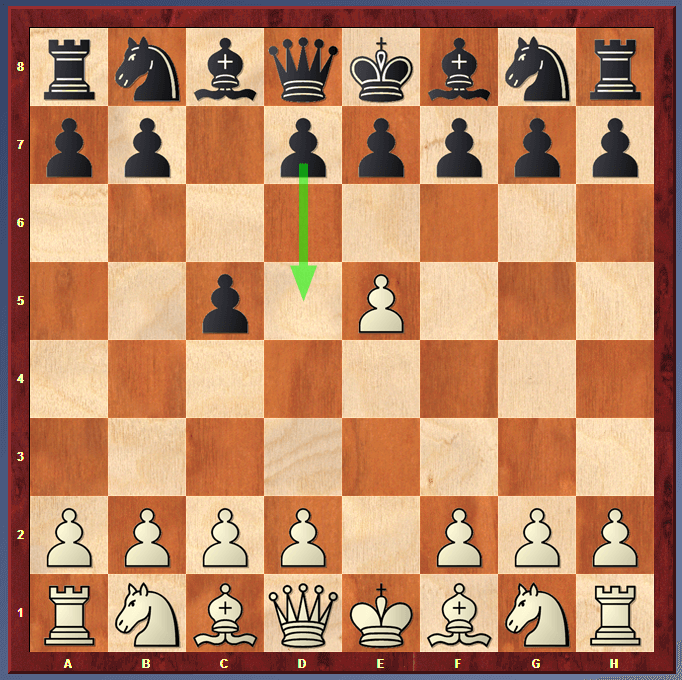
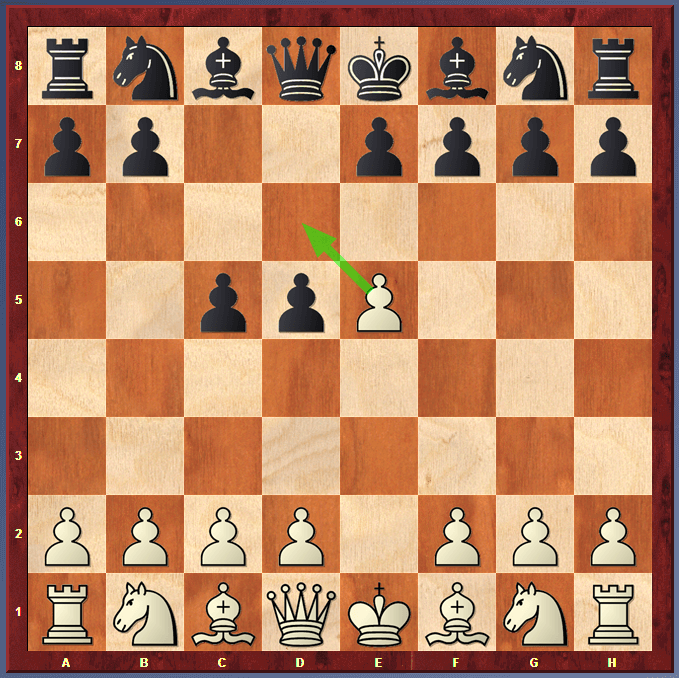
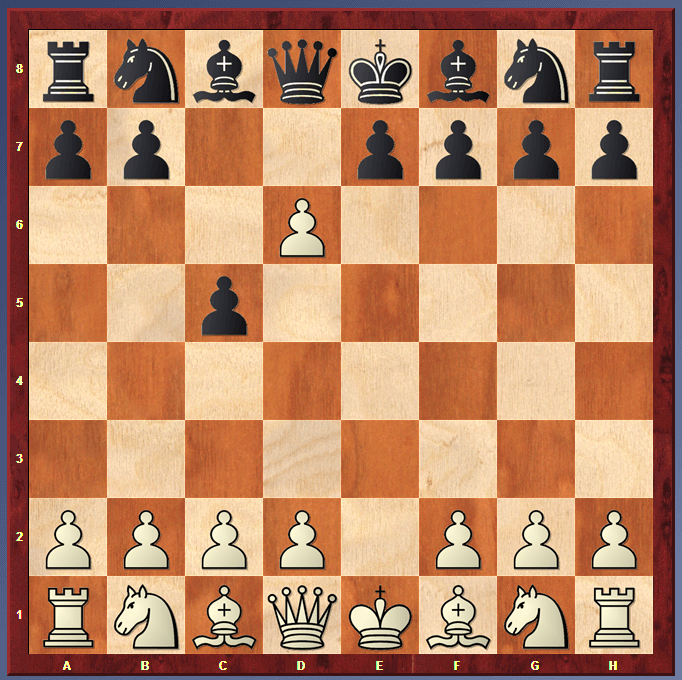
En Passant (Special Pawn Capture)
This is a rare but important rule.
It happens when:
- Your opponent moves a pawn forward two squares.
- Your pawn is next to it
You can capture it as if it moved only 1 square
Important:
- You must do this immediately on the next move
- Otherwise, you lose the chance
Pawn Promotion (Power Move)
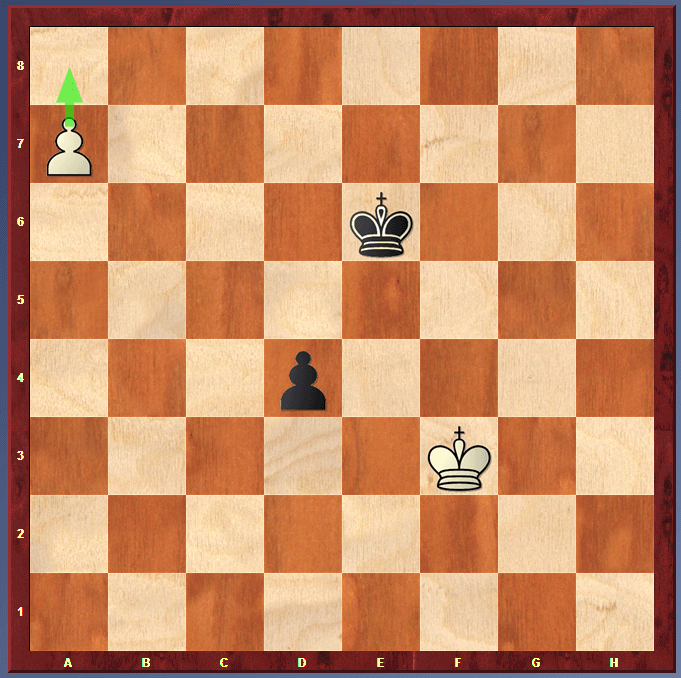
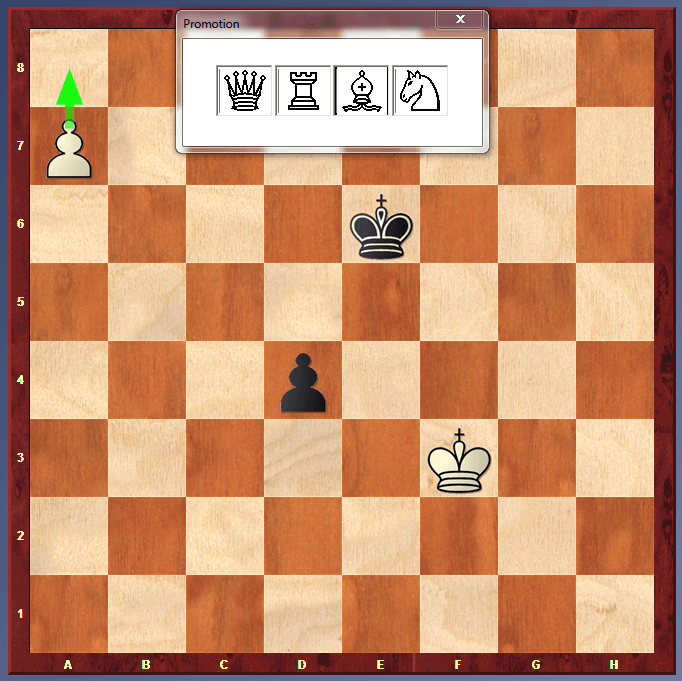
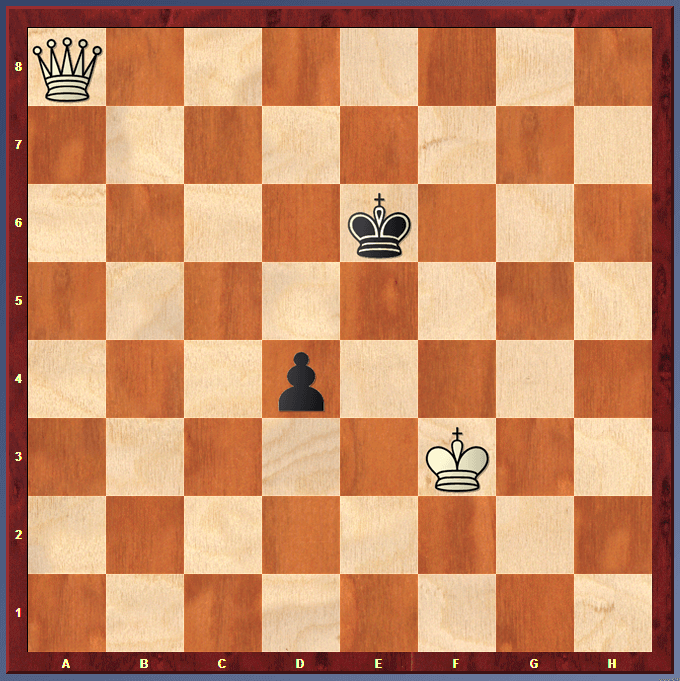
When a pawn reaches the last row (8th rank):
It gets promoted to:
- Queen (most common)
- Rook
- Bishop
- Knight
In most cases, players choose a queen because it’s the strongest piece.
Beginner Tip
If you’re unsure about special moves:
Just remember:
- Castle early to protect your king
Watch for pawn opportunities (promotion & en passant)
Mastering these special moves gives you a big advantage over other beginners.
Step 5: What Is a Check in Chess?
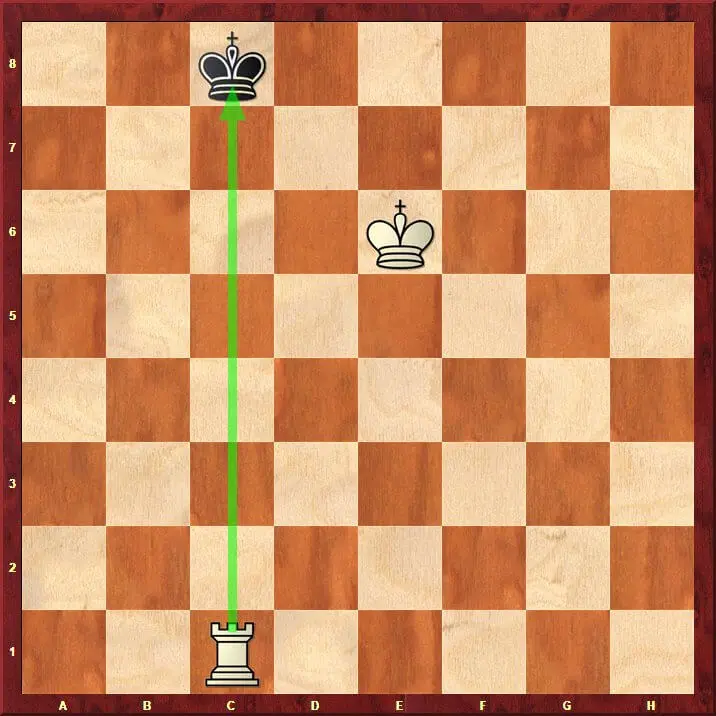
A check happens when your king is under attack by an opponent’s piece.
In simple terms:
If your king can be captured on the next move, you are in check.
What Should You Do in Check?
You must respond immediately. There are only 3 ways to escape a check:
- Move the king to a safe square
- Block the attack using another piece
- Capture the attacking piece
Important Rule
You cannot ignore a check.
If you make any move that doesn’t remove the check, it is considered illegal.
Beginner Tip
Always ask yourself after your opponent’s move:
“Is my king in danger?”
This simple habit will prevent many beginner mistakes.
Understanding check is essential—because it leads directly to the ultimate goal: checkmate.
Step 6: How to Win in Chess
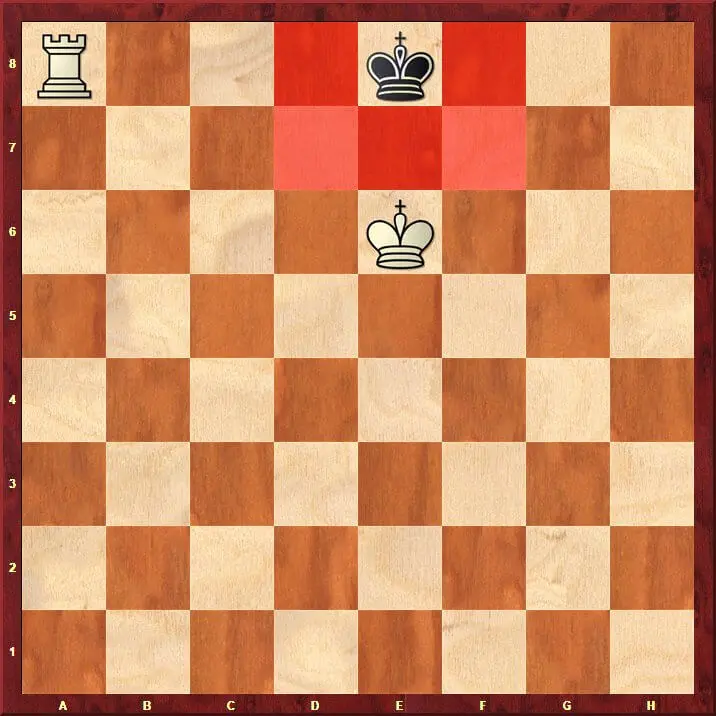
The goal of chess is simple:
Checkmate your opponent’s king.
What Is Checkmate?
Checkmate happens when:
- The king is in check (under attack)
There is no legal move to escape
When this happens, the game is over—you win.
How to Think About Winning
To checkmate your opponent, you need to:
- Attack the king
- Take away its escape squares
- Coordinate your pieces
This is where strategy and tactics come together.
What Is a Draw in Chess?
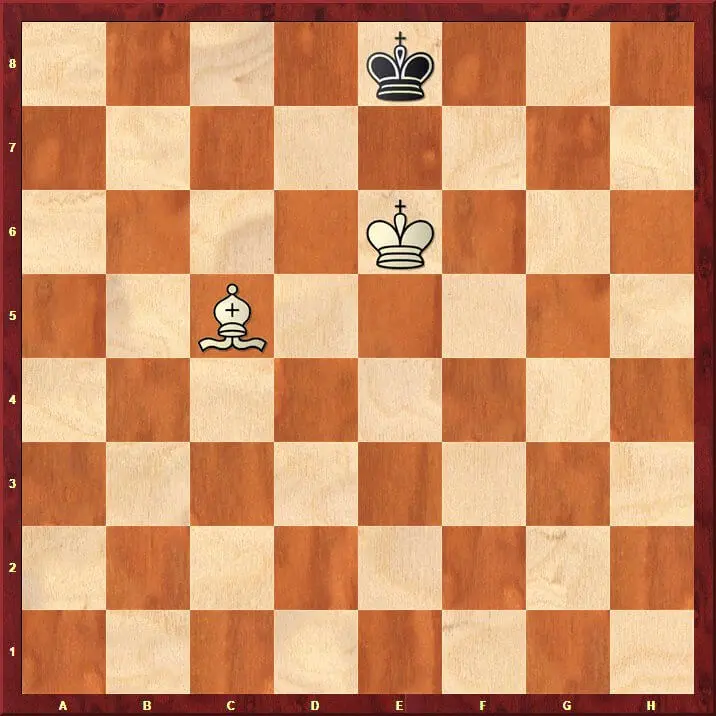
Not every game ends in a win or loss—some games end in a draw.
Common Draw Situations:
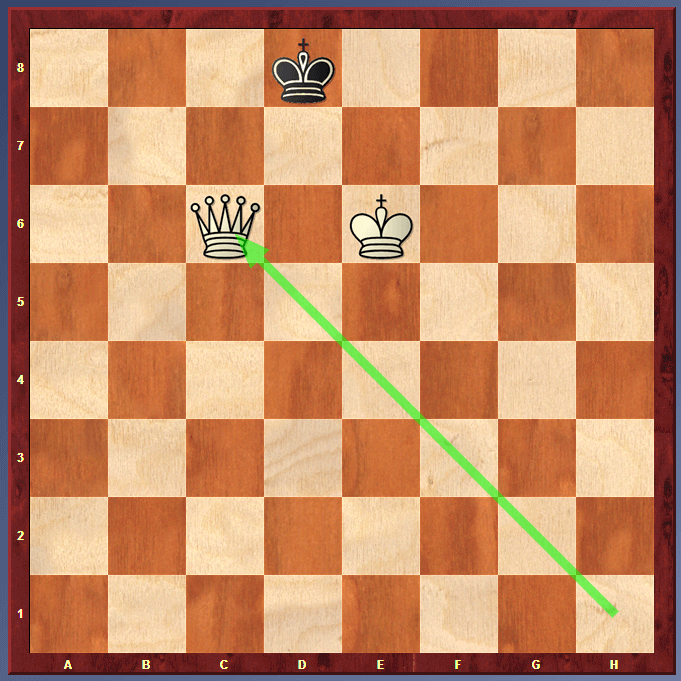
- Stalemate → No legal moves, but king is NOT in check
- Insufficient material → Not enough pieces to checkmate
- Threefold repetition → Same position repeated
- 50-move rule → No pawn move or capture in 50 moves
- Mutual agreement → Both players agree to a draw
Beginner Tip
Always be careful when you’re winning:
Avoid stalemate, especially when your opponent has only a king left.
Winning in chess isn’t just about attacking—it’s about finishing the game correctly.
Step 7: Basic Chess Strategies for Beginners
Want to improve quickly in chess?
You don’t need to memorize openings—just follow these simple strategies.
1. Control the Center
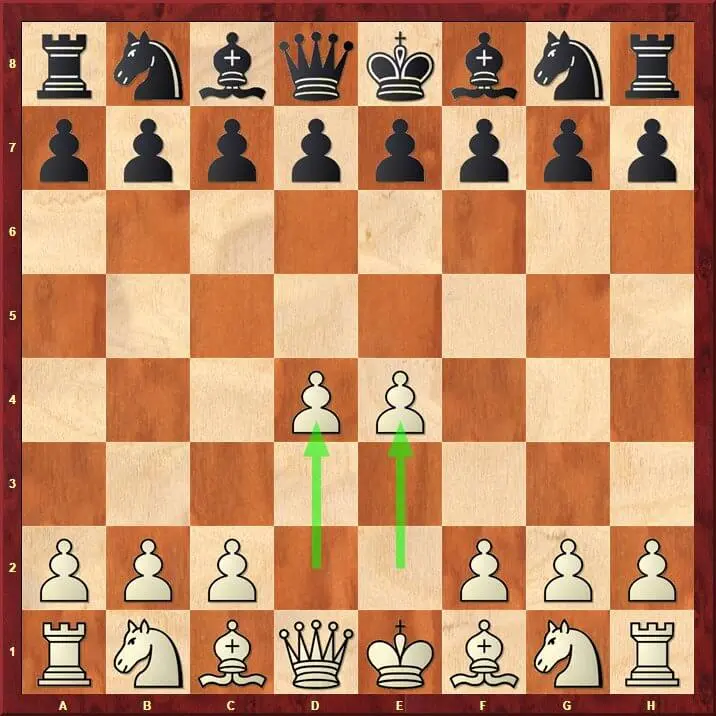
The center of the board (e4, d4, e5, d5) is the most important area.
✔ Why it matters:
- Gives your pieces more space
- Makes it harder for your opponent to move
- Helps you attack from strong positions
Try to place pawns and pieces in the center early.
2. Develop Your Pieces Early
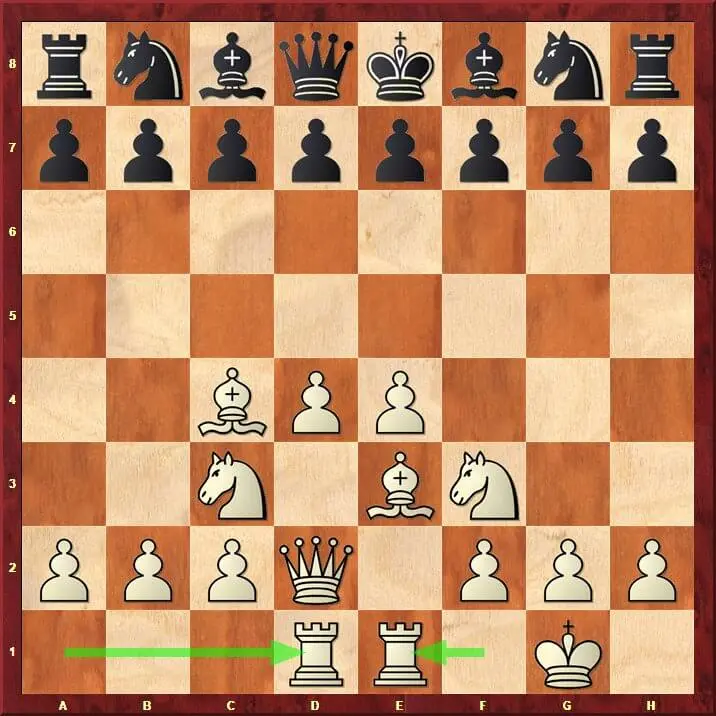
Bring your pieces into the game as soon as possible.
✔ Focus on:
- Knights first
- Then bishops
Avoid:
- Moving the same piece multiple times early
- Bringing the queen out too soon
3. Keep Your King Safe
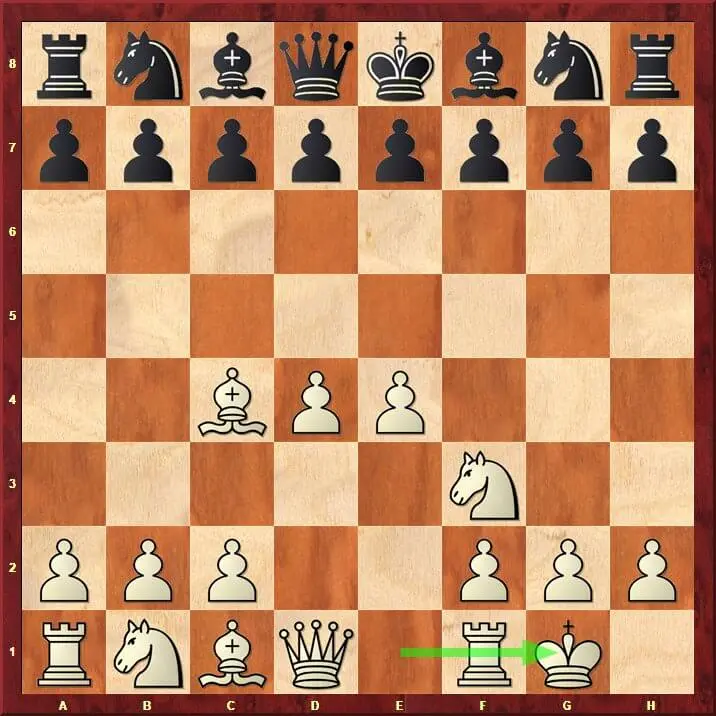
Your king is your most important piece.
Best way to protect it:
- Castle early
- Avoid unnecessary pawn moves near your king
4. Don’t Lose Pieces for Free
Every piece has a value. Losing pieces unnecessarily will cost you the game.
Piece Value Guide:
- Pawn = 1
- Knight = 3
- Bishop = 3
- Rook = 5
- Queen = 9
Always ask:
“If I move here, can my opponent capture my piece?”
Beginner Strategy Shortcut
If you remember only one thing, remember this:
Control the center, develop your pieces, and keep your king safe.
These simple strategies can instantly make you better than most beginners.
Step 8: Chess Tactics You Must Know
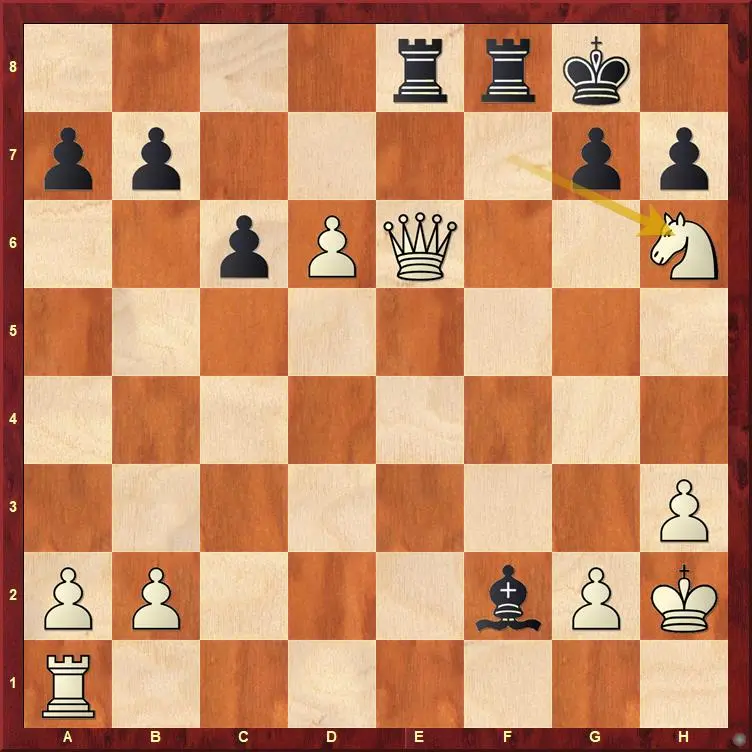
Tactics are the fastest way to win games in chess.
While strategy is long-term planning, tactics are short-term opportunities that can win material or even deliver checkmate.
Why Tactics Matter
Most beginner games are decided by simple mistakes.
If you learn basic tactics, you can:
- Win pieces easily
- Spot threats quickly
- Turn losing positions into winning ones
Common Chess Tactics
Here are the most important tactics every beginner should know:
Fork
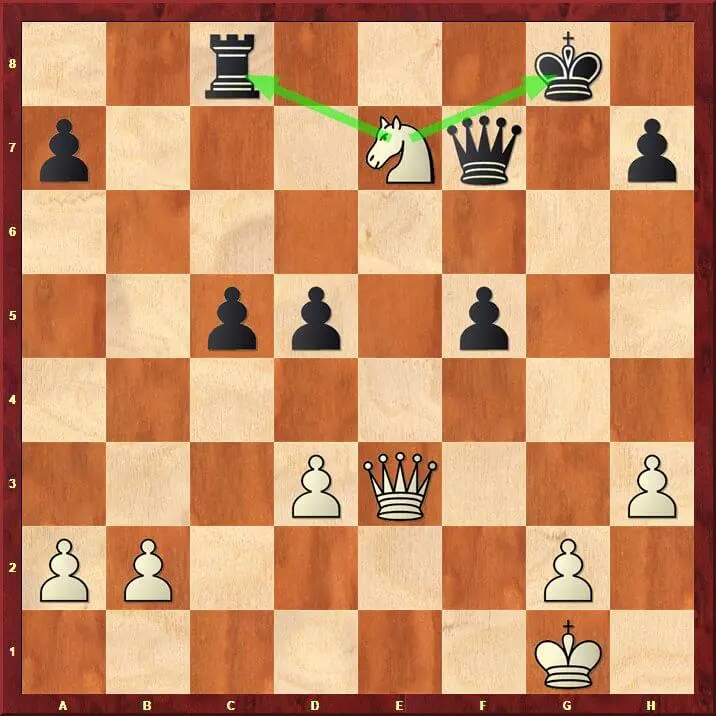
A single piece attacks two or more pieces at the same time.
Most commonly done by a knight
Pin
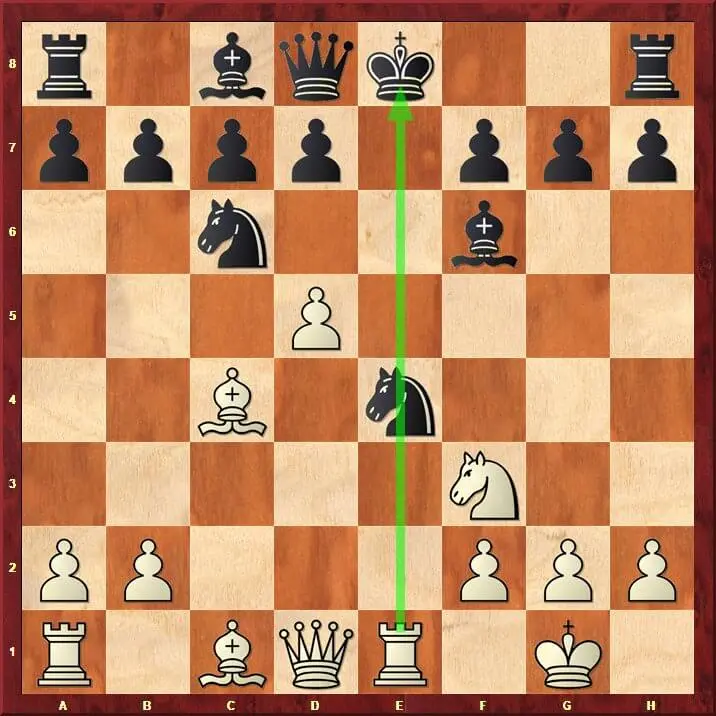
A piece cannot move because it would expose a more valuable piece behind it.
Example: A bishop pins a knight to the king.
Skewer
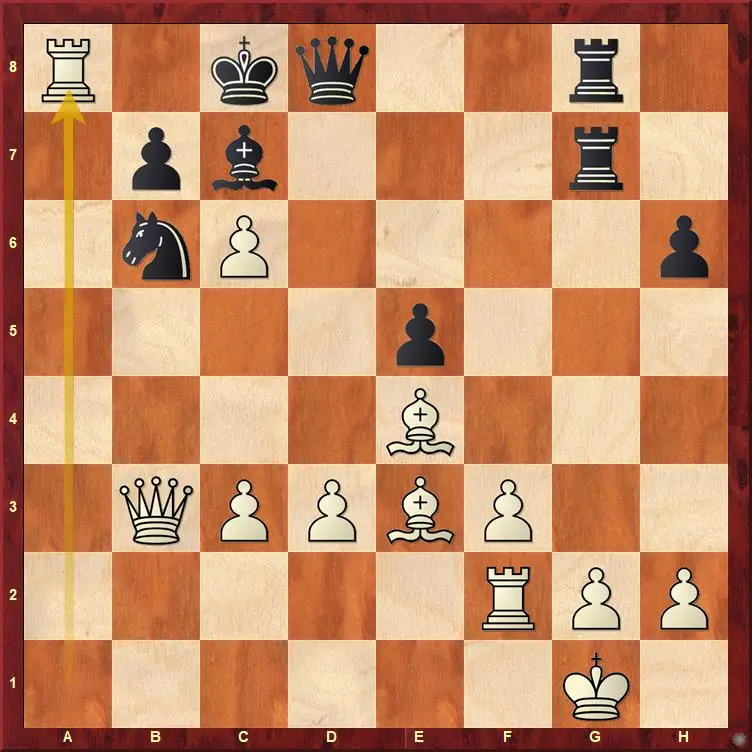
The opposite of a pin.
A valuable piece is attacked first, and when it moves, a less valuable piece behind it is captured
Discovered Attack
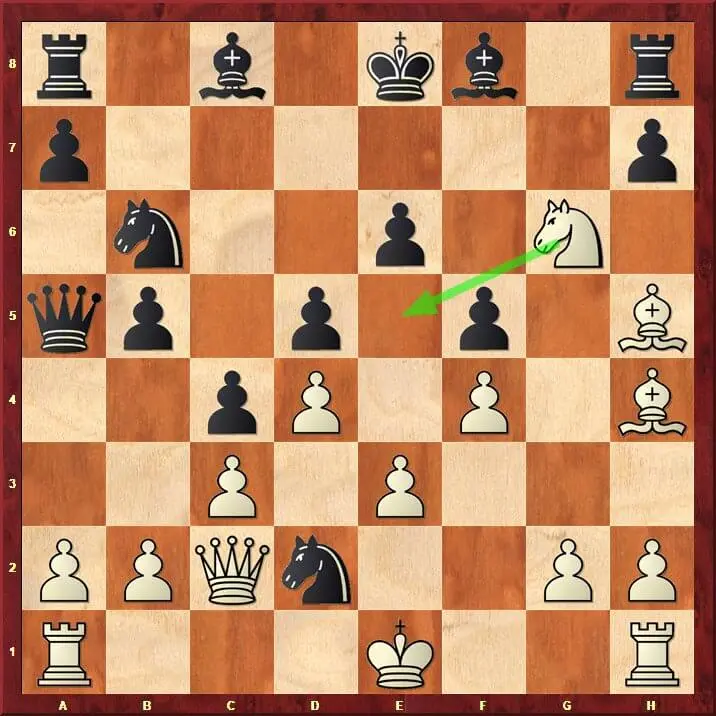
One piece moves away, revealing an attack from another piece behind it.
This can be very powerful and surprising
Beginner Tip
Before every move, ask yourself:
“Can I attack two things at once?”
“Is any piece unprotected?”
Mastering tactics is the fastest way to improve your chess skills.
Step 9: Illegal Moves in Chess
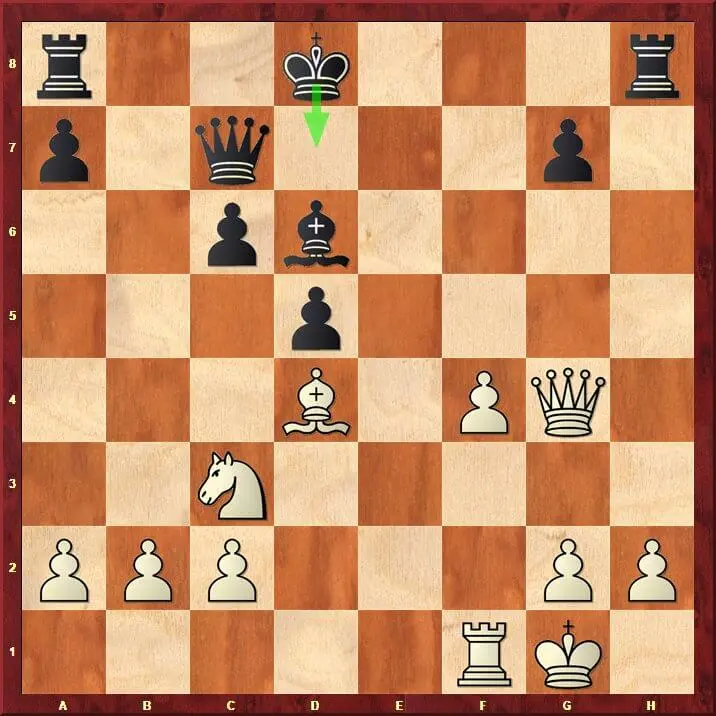
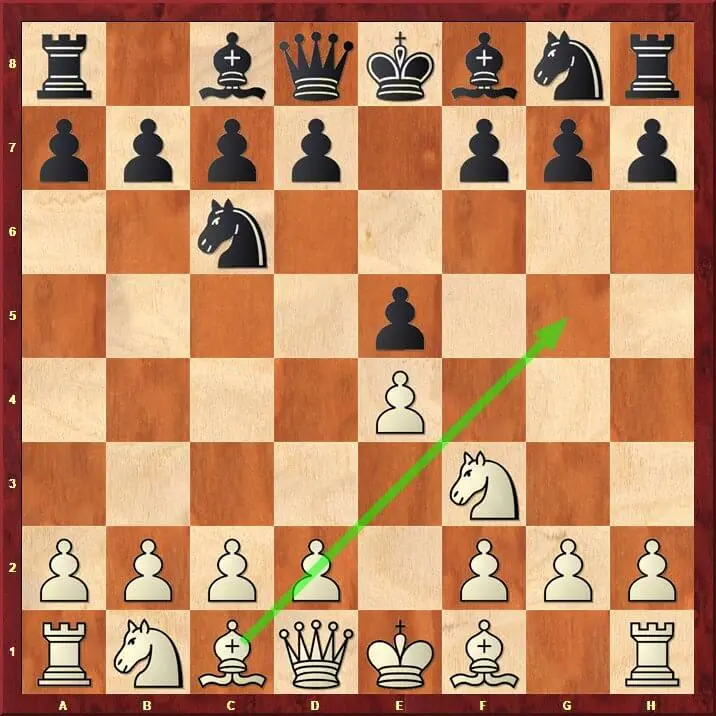
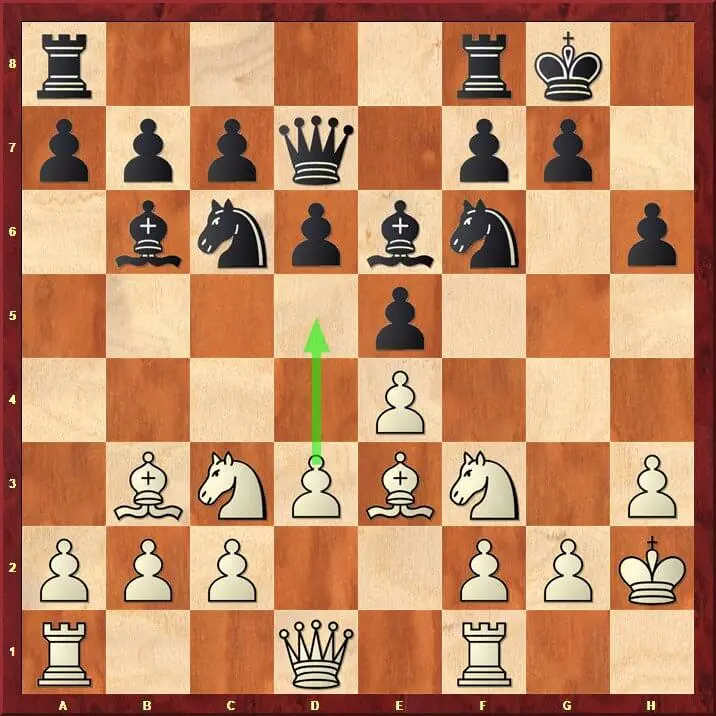
In chess, not every move is allowed. Moves that break the rules are called illegal moves.
Common Illegal Moves
Here are some mistakes beginners often make:
- Moving into check (placing your king in danger)
- Ignoring a check (not responding when your king is under attack)
- Moving pieces incorrectly (breaking movement rules)
What Happens If You Make an Illegal Move?
You must take the move back and play a legal move instead.
In serious games or tournaments, illegal moves can even result in penalties.
Beginner Tip
Before making any move, ask yourself:
“Is my king safe after this move?”
Avoiding illegal moves is essential—because even one mistake can cost you the game.
Step 10: Practice by Playing Chess
The fastest way to improve in chess is simple:
Play as many games as possible.
Why Practice Matters
You can learn the rules in minutes—but real improvement comes from experience.
The more you play:
- The better you recognize patterns
- The faster you spot mistakes
- The stronger your decision-making becomes
Ways to Practice Chess
You have plenty of options:
- Play with friends or family (fun and interactive)
- Play online against real players
Practice against a computer to build confidence
Beginner Tip
Don’t worry about losing.
Every game you lose teaches you something valuable.
Quick Action Step
Play your first game today—even if you’re not fully confident yet.
The sooner you start, the faster you improve.
Consistency beats perfection in chess.
Step 11: Chess Tournament Basics
Here are some basic rules used in competitive chess:
- Touch-Move Rule
If you touch a piece, you must move it (if it’s a legal move) - Use One Hand
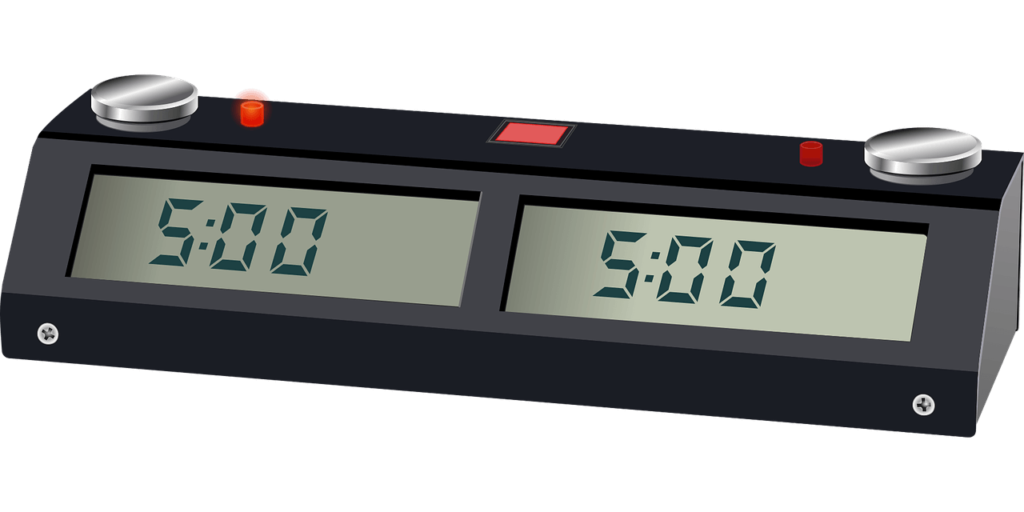
You must move pieces and press the clock with the same hand - Chess Clock Timing
Each player has a limited time to make moves
Running out of time can lose you the game
Basic Chess Notation (Recording Moves)
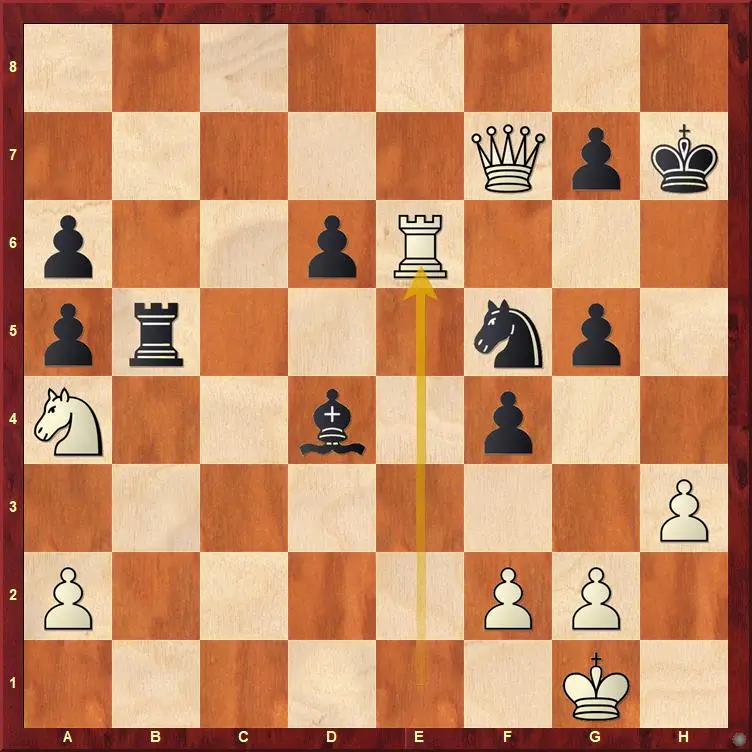
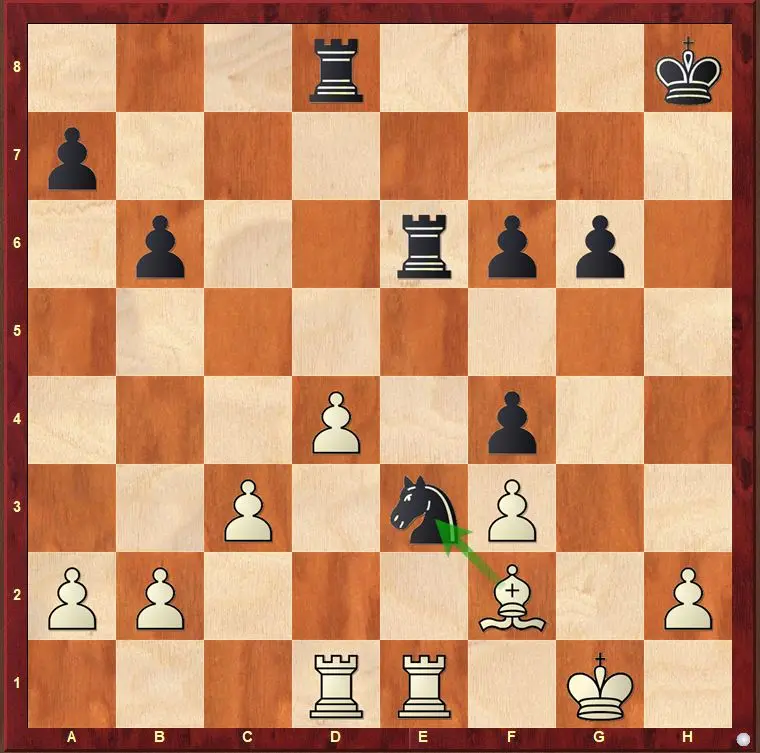
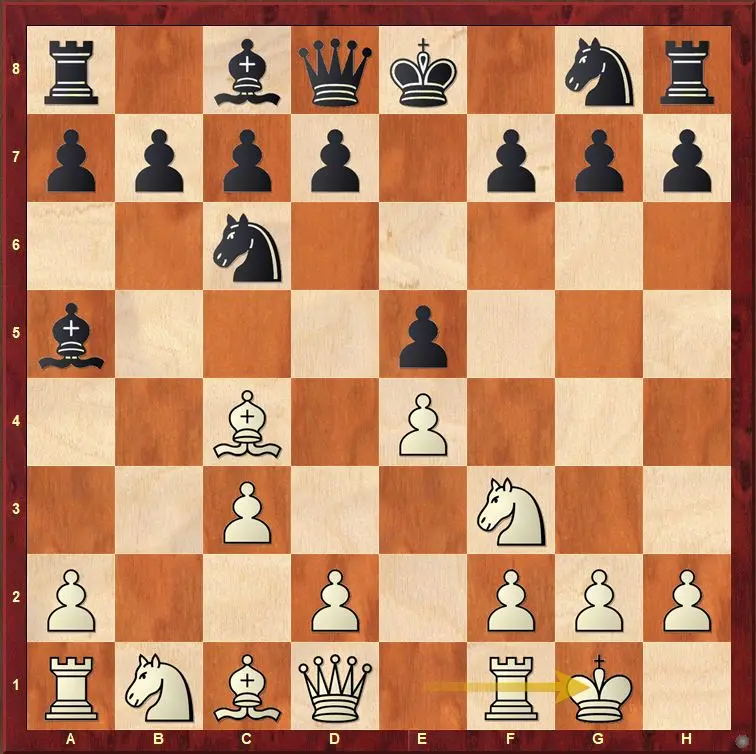
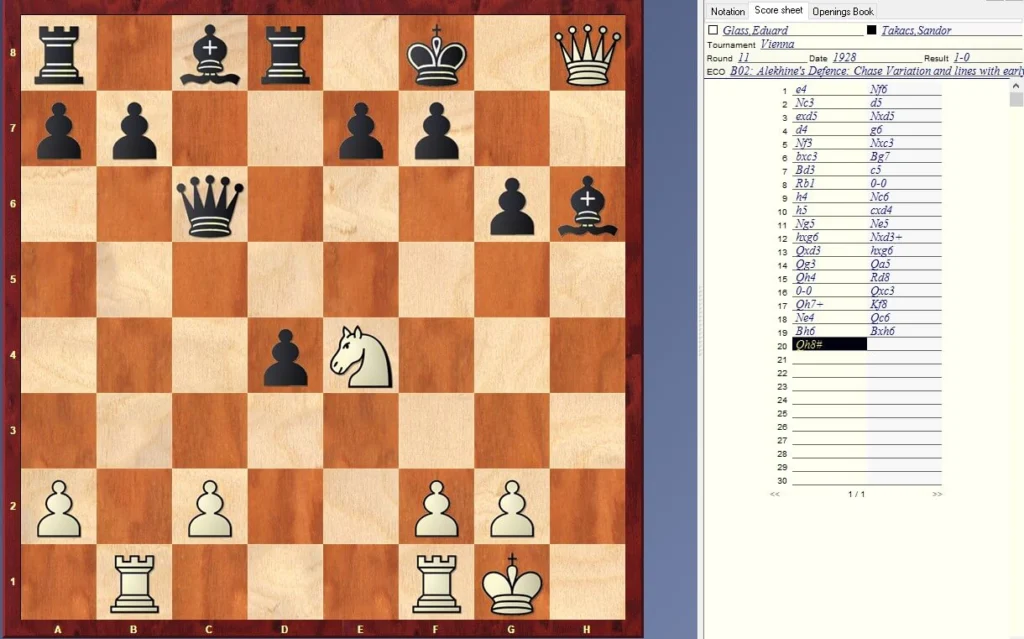
In tournaments, players record their moves using chess notation.
Here are some simple examples:
- Re6 → Rook moves to e6
- Bxe3 → Bishop captures a piece on e3
- 0-0 → Kingside castling
Why Learn Tournament Rules?
Even if you don’t play competitively, these rules help you:
- Play more accurately
- Avoid mistakes
- Understand professional games
Beginner Tip
Start using simple notation while practicing—it will improve your understanding faster.
Learning these basics prepares you for real chess competition and helps you play with confidence.
Common Beginner Mistakes in Chess (Avoid These!)
- Even if you know the rules, simple mistakes can cost you the game.
- Avoid these common beginner errors to improve faster.
1. Moving the Queen Too Early
- Bringing your queen out too soon makes it an easy target.
- Your opponent can attack it repeatedly and gain time to develop their pieces.
2. Ignoring King Safety
- Leaving your king in the center is dangerous.
- Always try to castle early and keep your king protected.
3. Not Controlling the Center
- If you ignore the center (e4, d4, e5, d5), your opponent will dominate the game.
- Control the center to gain space and better positioning.
4. Blundering Pieces (Giving Them Away)
- One careless move can lose a piece instantly.
- Always check:
“Is my piece safe after this move?”
Beginner Tip
- Before every move, ask yourself:
- “What is my opponent threatening?”
- This one habit can dramatically reduce mistakes.
Avoiding these mistakes can instantly make you a stronger player than most beginners.
FAQs About Chess
Here are answers to the most common beginner questions about chess.
Is chess hard to learn?
No, chess is not hard to learn.
The basic rules and piece movements can be understood in just a few hours.
However, mastering chess takes time, practice, and experience.
How long does it take to get good at chess?
With regular practice, most beginners start improving within a few weeks.
If you play consistently and learn from your mistakes, you can become a strong player over time.
What is the best first move in chess?
The best beginner opening moves are:
- e4 (King’s Pawn Opening)
- d4 (Queen’s Pawn Opening)
These moves help you control the center and develop your pieces quickly.
Quick Tip
If you’re just starting:
Focus on learning the basics and playing regularly instead of memorizing complex openings.
These simple answers will help you start your chess journey with confidence.
Final Thoughts
Chess is more than just a game—it’s a skill that sharpens your mind, improves your decision-making, and teaches you how to think ahead.
This step-by-step guide is perfect for anyone learning how to play chess for beginners without feeling overwhelmed.
And the best part?
Anyone can learn it.
You don’t need to be a genius. You just need to start.
Your Next Move
Now that you understand the basics:
- Set up a board
- Play your first game
- Apply what you’ve learnt.
Even if you make mistakes—that’s how real improvement happens.
Start Today
The sooner you begin, the faster you grow.
Play a game today, and take your first step into the world of chess.
Because in chess—and in life—
Ready to Play Chess?
Now it’s your turn.
You’ve learnt the rules, the moves, and the strategies—so don’t stop here.
Start your first game right now and put your skills into action.
Take the First Step
- Set up a board
- Play against a friend or online
- Try your first real game
You don’t need to be perfect—you just need to begin.
Keep Improving
Every game you play teaches you something new.
Because in chess—
Every move makes you better.