
Pins in Chess Explained for Beginners
Pins are one of the most important tactical ideas in chess. Many beginners lose pieces simply because they do not recognize pinned pieces or understand how pins work during games.
In this guide, you’ll learn:
- What a pin in chess means
- The difference between absolute and relative pins
- How to use pins effectively
- Common beginner mistakes
- How pins improve tactical awareness
Quick Beginner Summary
A pin happens when a chess piece cannot safely move because a more valuable piece behind it would become exposed to attack.
Pins are usually created by:
- Bishops
- Rooks
- Queens
Learning pins helps beginners improve:
- Tactical awareness
- Board vision
- Calculation
- Defensive understanding
What Is a Pin in Chess?
A pin is a tactical situation where one piece attacks another piece that cannot move freely.
The pinned piece is restricted because moving it would expose:
- The king
- The queen
- A rook
- Another important piece
Pins are powerful because they restrict movement and create tactical pressure.
One thing I’ve repeatedly noticed over the years is that improving beginners slowly stop seeing chess as isolated moves. They begin recognizing relationships between pieces. Pins are often one of the first tactical patterns that develops this awareness.
If you’re still learning the fundamentals, our Complete Beginner Chess Guide explains when tactical ideas like pins fit into your overall chess learning journey.
Absolute Pin in Chess
An absolute pin happens when moving the pinned piece would expose the king to attack.
Since a king cannot move into check, the pinned piece legally cannot move.
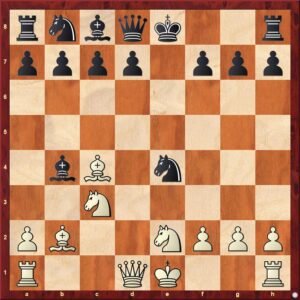
Example
A bishop attacks a knight standing in front of the king. If the knight moves, the king becomes exposed to check. The knight is absolutely pinned.
Relative Pin in Chess
A relative pin happens when moving a piece would expose a valuable piece behind it, but not the king.
The piece can legally move, but doing so often loses material.
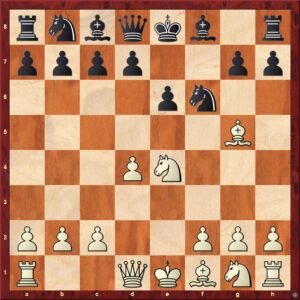
Example
A bishop attacks a knight. Behind the knight is the queen. If the knight moves, the queen becomes vulnerable.
Which Pieces Create Pins?
Pins are usually created by long-range pieces that attack through files, ranks, and diagonals.
- Bishops create diagonal pins
- Rooks create horizontal and vertical pins
- Queens create pins from multiple directions
Knights cannot create traditional pins because they do not attack through pieces.
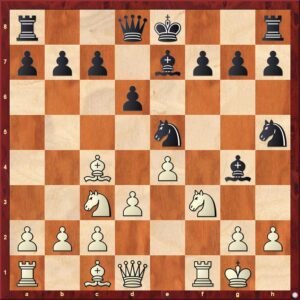
How to Spot a Pin Quickly
Many beginners miss pins because they focus only on immediate threats instead of looking at how pieces are connected.
Before every move, try to look for situations where three pieces are lined up on the same file, rank, or diagonal.
A pin often occurs when:
- A bishop, rook, or queen attacks a piece
- A more valuable piece stands directly behind it
- Moving the front piece would create a problem
Training yourself to notice these alignments helps develop stronger tactical awareness, better board vision, and fewer tactical mistakes during games.
How to Use Pins Effectively
Many beginners recognize pins but do not know how to use them properly afterwards.
Strong players often follow up pins by:
- Adding pressure
- Bringing more attacking pieces
- Opening lines
- Creating tactical threats
Pinned pieces often become difficult to defend and can create opportunities for combinations.
Common Beginner Mistakes With Pins
- Forgetting a piece is pinned
- Moving pinned pieces carelessly
- Creating weak pins without follow-up pressure
- Ignoring tactical threats around pinned pieces
In my experience, tactical mistakes involving pins are extremely common among improving beginners. Consistent puzzle practice usually helps students recognize these patterns much faster during real games.
How to Practice Pins in Chess
Like most tactical patterns, pins become easier to recognize through consistent practice and repetition.
- Solve tactical puzzles regularly
- Review your own games for missed pins
- Analyze beginner games
- Practice spotting pinned pieces before every move
- Study examples of absolute and relative pins
Pins often combine naturally with other tactical ideas such as forks, skewers, discovered attacks, and double attacks.
If you are new to tactical training, studying tactical patterns together is usually more effective than learning them in isolation.
The more examples you study, the faster your brain begins recognizing these patterns automatically during real games.
Pins vs Skewers
Pins vs Skewers
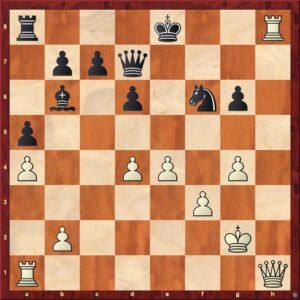
Many beginners confuse pins and skewers because both involve two pieces lined up on the same file, rank, or diagonal.
In a pin, the front piece usually cannot move because doing so would expose a more valuable piece behind it.
In a skewer, the front piece is attacked first and is forced to move, exposing the piece behind it.
Both tactical patterns are important for developing tactical awareness, and learning to distinguish between them helps beginners recognize opportunities more quickly during games.
Related Chess Learning Resources
Pins are only one part of tactical chess improvement. The following resources can help you develop stronger pattern recognition, calculation skills, and overall chess understanding.
Tactical Training
- Chess Tactics
- Forks in Chess
- Skewers in Chess
- Chess Puzzle Training
Chess Improvement
Frequently Asked Questions About Pins in Chess
What is a pin in chess?
A pin is a tactical situation where a piece cannot move safely because a more valuable piece behind it would become exposed to attack.
What is an absolute pin?
An absolute pin happens when moving a piece would expose the king to check.
What is a relative pin?
A relative pin happens when moving a piece would expose another valuable piece, like the queen or rook.
Can a pinned piece move?
Yes. A relatively pinned piece can legally move, although doing so may lose material. An absolutely pinned piece cannot move because moving it would expose the king to check.
Which pieces create pins?
Pins are usually created by bishops, rooks, and queens.
Why are pins important for beginners?
Pins improve tactical awareness and help beginners avoid simple mistakes during games.
Improve Your Tactical Awareness With Structured Training
Learning tactical patterns like pins helps beginners develop stronger board vision, better calculation habits, and greater confidence during games.
Over time, recognizing patterns such as pins, forks, skewers, and discovered attacks becomes an important part of improving tactical awareness and reducing mistakes.
Over the years, I’ve found that many students understand what a pin is but struggle to recognize practical pin opportunities during their own games. Structured training helps transform tactical knowledge into reliable pattern recognition and better decision-making.
Explore Structured Chess Coaching
If you’re looking to improve your tactical vision, calculation skills, and overall chess understanding, a structured coaching program can provide personalized guidance and a clear improvement pathway.