
Complete Beginner Chess Guide: Learn Chess Step by Step
The Complete Beginner Chess Guide introduces a clear learning roadmap that shows how each stage builds on the previous one—from understanding the chessboard and pieces to learning openings, tactics, strategy, and long-term improvement.
Learning chess can feel overwhelming when you’re faced with unfamiliar pieces, unusual moves, and advice that seems to assume you already know the game.
One article tells you to study openings. Another recommends tactics. Someone else suggests memorising endgames first. It’s easy to wonder where you should actually begin.
The good news is that learning chess doesn’t have to happen all at once.
Every strong player started by understanding the same fundamental ideas before gradually building more advanced skills. The key isn’t learning everything—it’s learning the right things in the right order.
That’s exactly what this Beginner Chess Guide is designed to help you do.
Rather than trying to teach every rule and strategy in detail, this guide provides a structured roadmap for learning chess. If you want to explore each stage more thoroughly, you’ll find dedicated lessons that explain every topic in greater depth. You’ll discover what to learn first, why each topic matters, and how every stage builds towards becoming a stronger player.
Throughout this Beginner Chess Guide, you’ll also find links to dedicated lessons that explain each topic in much greater depth. Think of this page as your roadmap—the individual guides are where you’ll master each concept.
If you’re a parent reading with your child, remember that chess improvement rarely happens in a straight line. Some days everything will seem easy. On other days, simple mistakes may appear from nowhere. That’s completely normal. Chess rewards curiosity, patience, and consistent practice far more than perfection.
By the end of this Beginner Chess Guide, you’ll understand not only where to begin but also how every stage of learning fits together. Once you’ve built these foundations, our Improve at Chess guide will help you take the next step with practical advice on developing stronger habits, avoiding common mistakes, and continuing your progress with confidence.
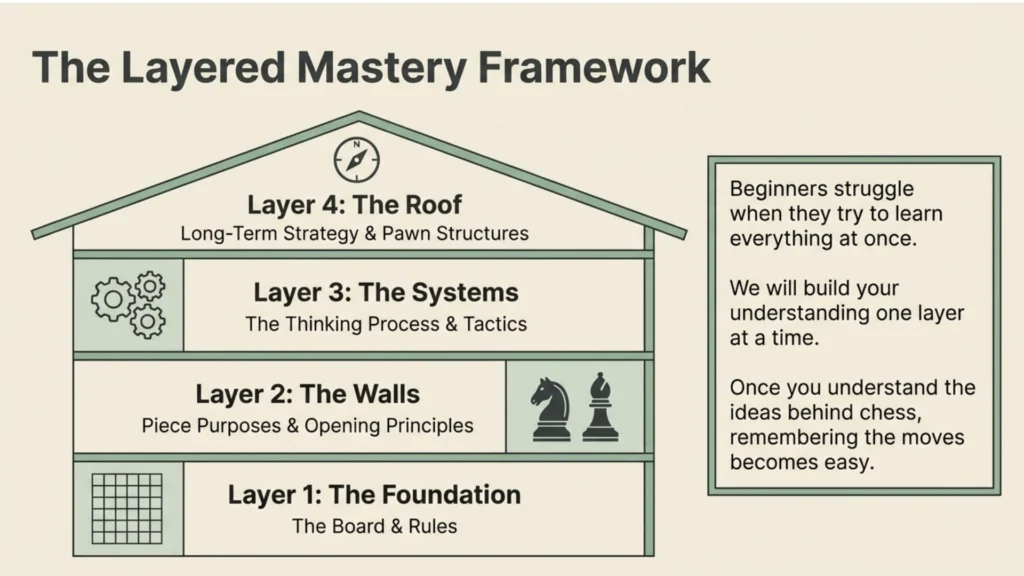
Beginner Chess Guide: Quick Summary
If you’re completely new to chess, focus on these ideas first.
Learn the Foundations
- Understand how the chessboard is organised.
- Learn the purpose of every chess piece.
- Know that the objective of chess is checkmate.
Build Good Habits
- Develop your pieces before launching attacks.
- Keep your king safe.
- Think about your opponent’s ideas as well as your own.
- Improve your chess one concept at a time.
Follow a Structured Learning Path
After understanding the fundamentals, continue learning in this order:
- Chess Basics
- Chess Rules
- How to Play Chess
- Opening Principles
- Chess Tactics
- Chess Strategy
- Chess Endgames
- Regular Practice and Game Analysis
Remember:
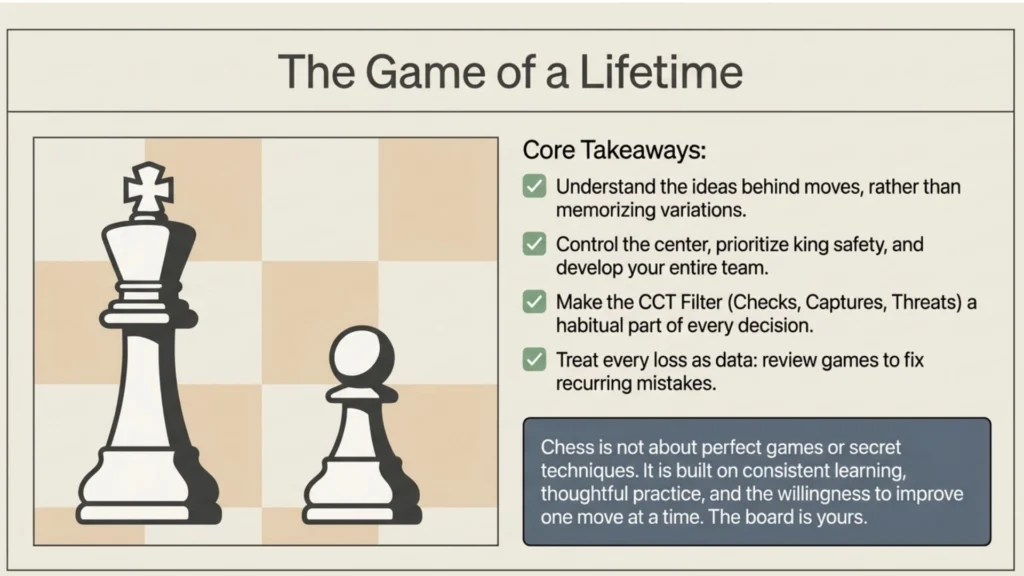
You don’t become a stronger player by memorising hundreds of moves.
You become stronger by understanding why good moves make sense.
Why Learn Chess?
People begin learning chess for many different reasons.
Some enjoy solving problems.
Some want a competitive hobby.
Many parents introduce chess because they’ve heard it helps develop concentration, logical thinking, decision-making, and patience.
All of these are excellent reasons to begin.
Over the years, one pattern I’ve noticed is that people rarely continue playing simply because someone told them chess was “good for them”.
They continue because they enjoy improving.
Few experiences are as satisfying as recognising a pattern that once seemed invisible. The tactical idea you missed last week suddenly becomes obvious. A confusing position now has a clear plan. Little by little, your confidence grows—not because the game becomes easier, but because your understanding becomes deeper.
For children, chess teaches another valuable lesson.
Every game encourages reflection.
Instead of blaming luck, players naturally begin asking:
“What could I have done differently?”
That habit of analysing decisions rather than making excuses extends far beyond the chessboard.
Parents sometimes worry when their child loses several games in a row.
Ironically, this is often when the greatest learning takes place.
A child who reviews mistakes, understands them, and tries again is developing resilience, patience, and independent thinking—qualities that benefit many areas of life.
Remember
Chess isn’t simply about learning moves.
It’s about developing better thinking habits through structured learning, practice, and reflection.
Understanding the Chessboard
Before learning how the pieces move, it’s worth becoming comfortable with the board itself.
This may seem like a small detail, but understanding how the board is organised makes every future lesson easier. Reading chess books, following lessons, solving puzzles, and communicating positions all become much simpler once you’re familiar with the board.
Setting Up the Chessboard Correctly
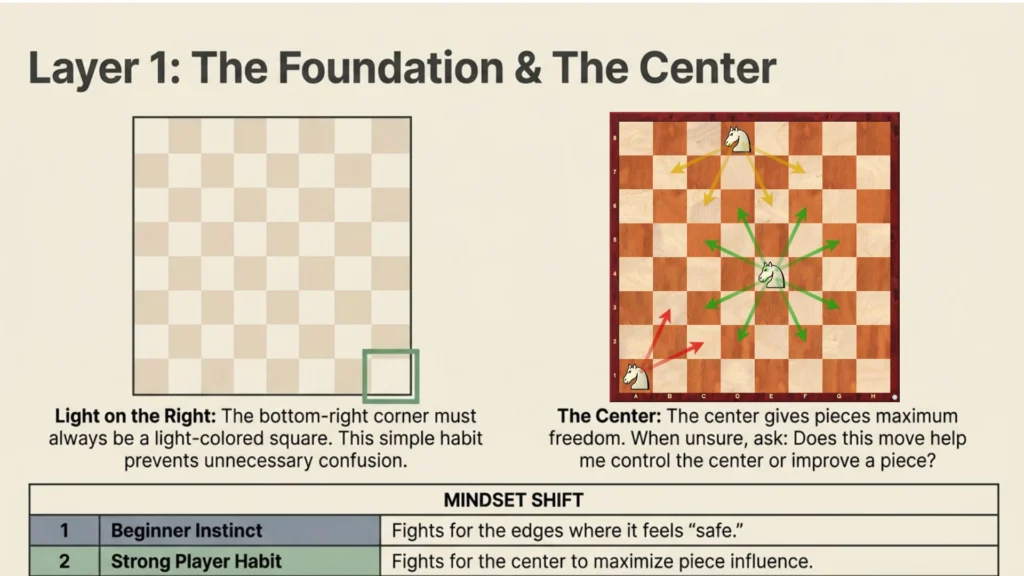
One of the most common beginner mistakes happens before the game even begins.
The board is placed the wrong way around.
Fortunately, there’s an easy rule to remember:
Light square on the right.
The square in the bottom-right corner must always be a light-coloured square.
This simple habit takes only a second to check, but it prevents confusion whenever you play.
Files, Ranks and Squares
Every square on a chessboard has its own unique name.
This allows players all over the world to describe positions accurately.
The board is organised using:
- Files — the vertical columns labelled a to h
- Ranks — the horizontal rows numbered 1 to 8
Together they create square names such as:
- e4
- d5
- c6
- h1
Don’t worry about memorising every square immediately.
The more you play and study chess, the more natural these names become.
Why Board Coordinates Matter
Learning files and ranks isn’t about memorising labels.
It’s about making future learning easier.
You’ll use square names whenever you:
- Read chess lessons
- Follow opening ideas
- Solve tactical puzzles
- Analyse your games
- Study with a coach
A few minutes spent understanding the board now will save countless hours later.
Try This
Spend a few minutes becoming familiar with the board before moving any pieces.
Can you:
- Find e4 without looking at a diagram?
- Identify the four corner squares?
- Locate d5 quickly?
- Find the square directly above c4?
- Find the square immediately to the right of b6?
If you can answer these confidently, you’re ready for the next stage.
Next Step
Now that you’re comfortable with the chessboard, it’s time to understand what each chess piece is designed to do before learning exactly how each one moves.
Understanding the Chess Pieces
Many beginners try to memorise how every piece moves before understanding why each piece exists.
That approach often leads to confusion.
The players who improve more consistently usually learn something different first.
They learn the purpose of each piece.
Think of a chess game as a team sport.
Every piece has a different role.
Some protect the king.
Some control important squares.
Some create tactical opportunities.
Others become stronger as the position develops.
Your goal isn’t to make one piece do everything.
It’s to help your entire team work together.
One pattern I’ve repeatedly noticed is that beginners often develop a favourite piece.
Some love attacking with the queen.
Others enjoy moving knights because they jump over other pieces.
Stronger players think differently.
Instead of asking,
“Which piece do I like most?”
they ask,
“Which piece is best suited to this position?”
That small change in thinking makes an enormous difference.
The King
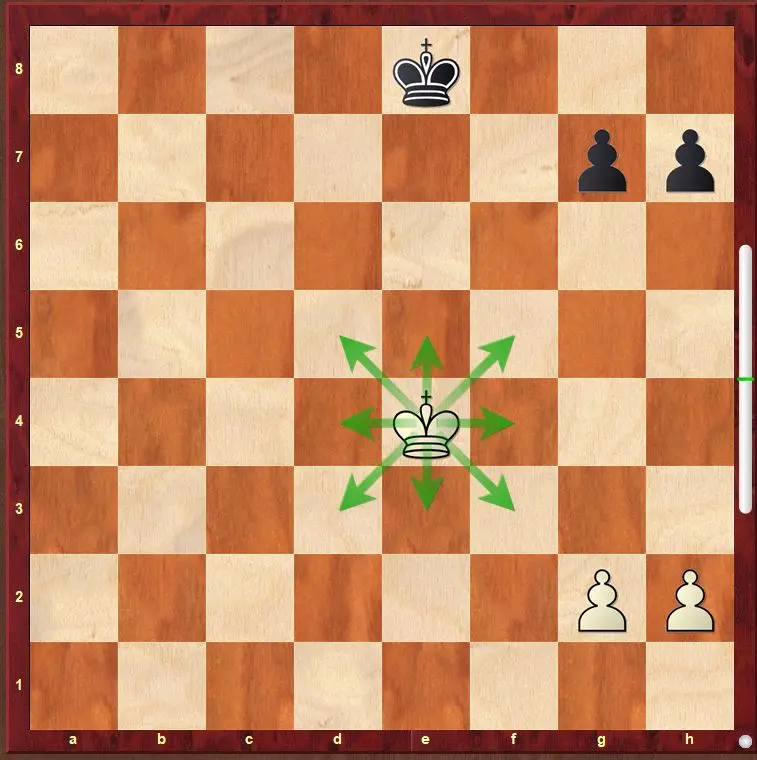
The king is the most important piece on the chessboard.
Not because it is powerful.
Because protecting it is the objective of the entire game.
Every decision you make should ultimately help keep your king safe while increasing pressure on your opponent’s king.
Although the king moves only one square at a time, games are often decided by king safety rather than material advantage.
To learn exactly how the king moves, how check works, and when castling is allowed, continue to our Chess Rules guide.
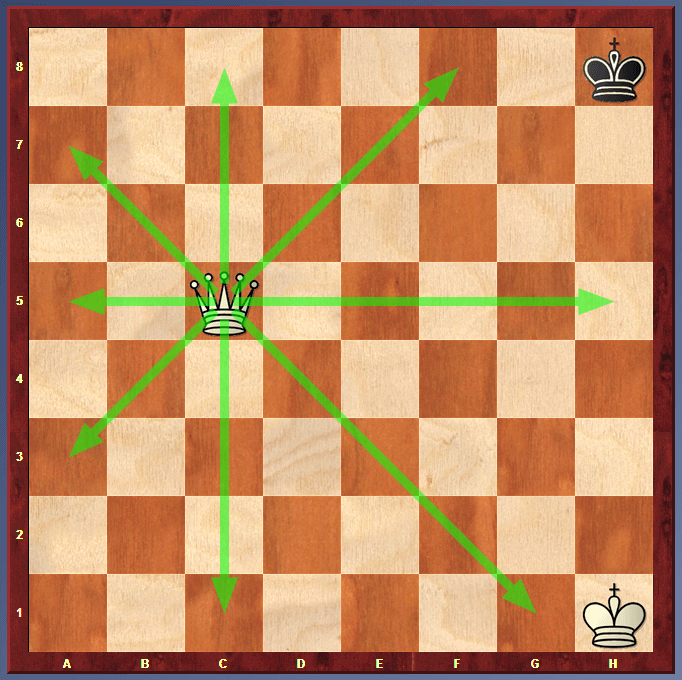
The Queen
The queen is the most powerful piece because of her versatility.
She can influence large areas of the board and often becomes the strongest attacking piece once your other pieces have been developed.
A common beginner mistake is bringing the queen into the game too early.
Stronger players usually develop their knights and bishops first before asking the queen to lead an attack.
Learn exactly how the queen moves and when to activate her effectively in our Chess Rules guide.
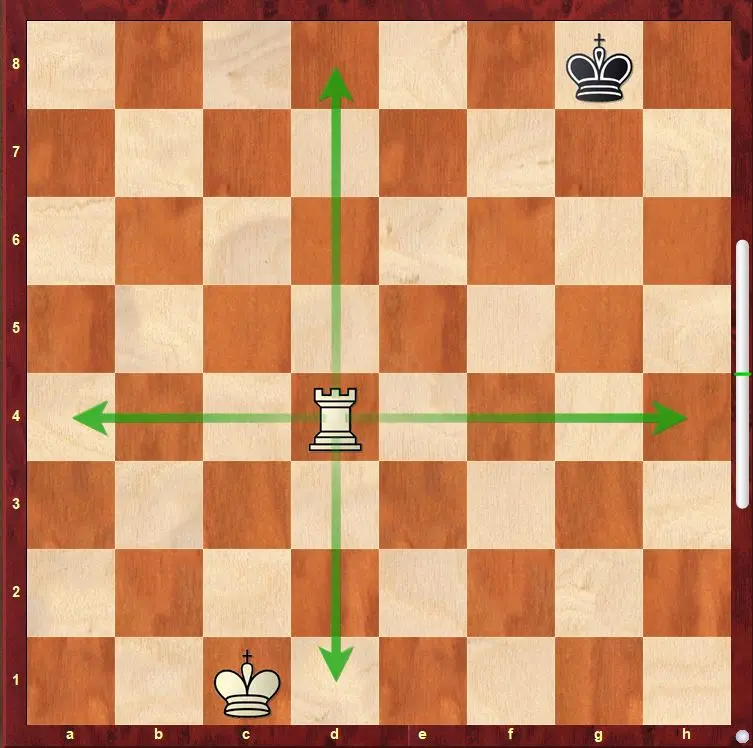
The Rooks
Rooks often seem quiet during the opening because other pieces block their paths.
As the position opens, however, they become some of the strongest attacking and defensive pieces on the board.
Rooks work best together.
One of your long-term goals in almost every game is to develop your pieces so your rooks can support one another and control open files.
Learn how rooks move, how castling affects them, and how they become active in our Chess Rules guide.
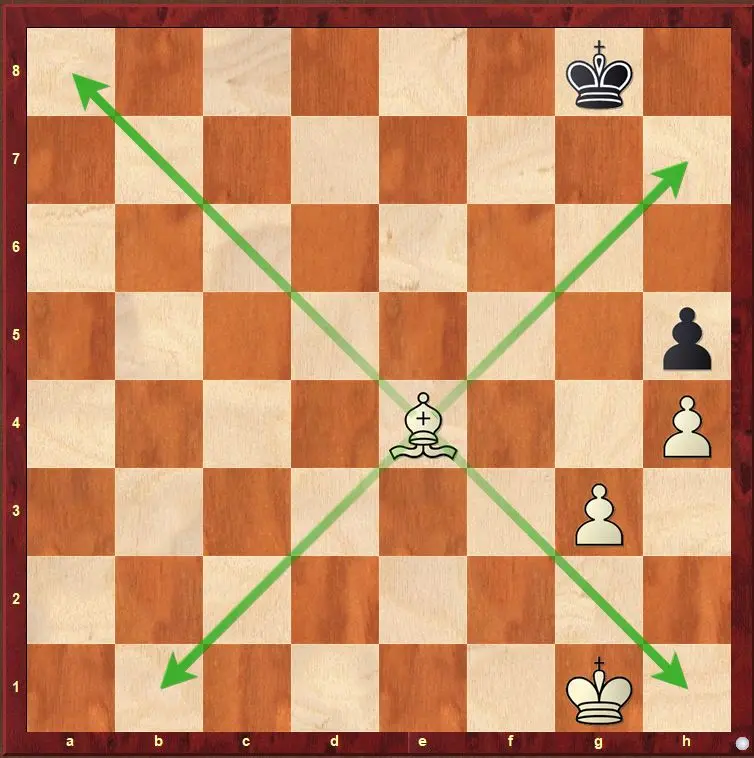
The Bishops
Each player begins the game with two bishops.
One always travels on light squares.
The other always travels on dark squares.
Bishops are long-range pieces that become especially powerful when diagonals open across the board.
Rather than thinking only about movement, try to notice how bishops support attacks from a distance and work together with the rest of your pieces.
Learn the complete bishop movement rules and practical examples in our Chess Rules guide.
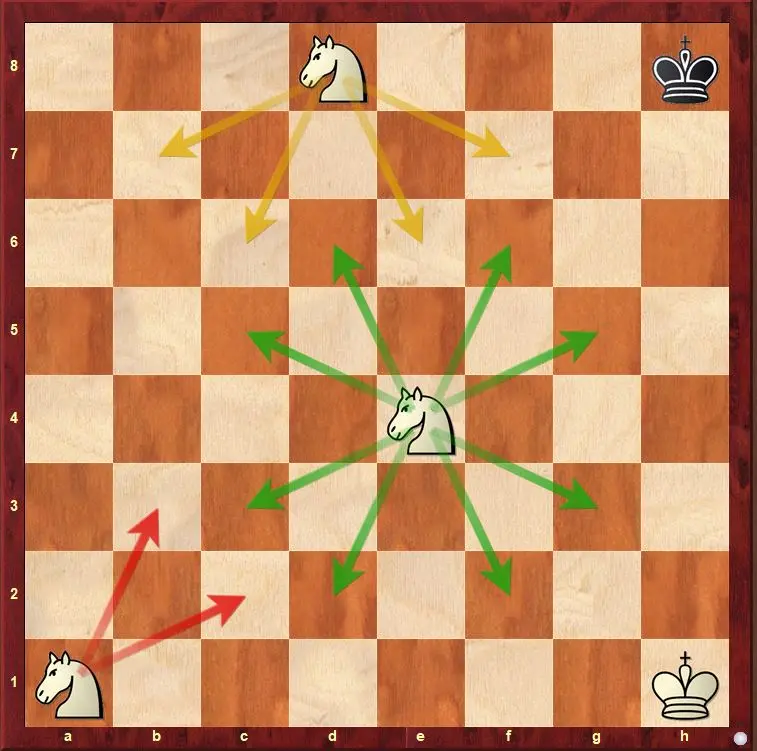
The Knights
Knights are unlike every other piece.
Their unusual movement allows them to jump over pieces, making them especially effective in crowded positions.
They also create many tactical opportunities, particularly forks.
As you improve, you’ll discover that well-placed knights often control surprising parts of the board.
Learn exactly how knights move and how to use them effectively in our Chess Rules guide.
The Pawns
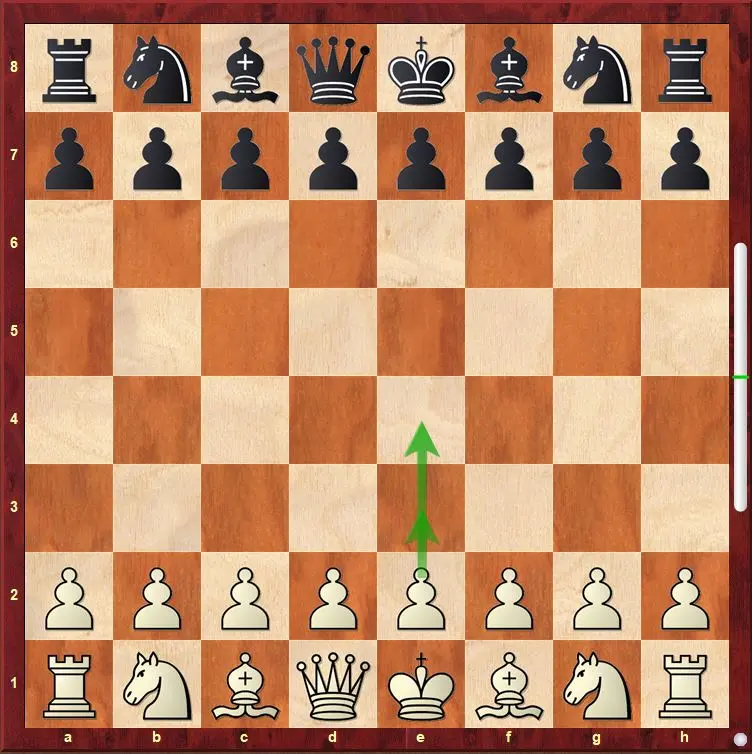
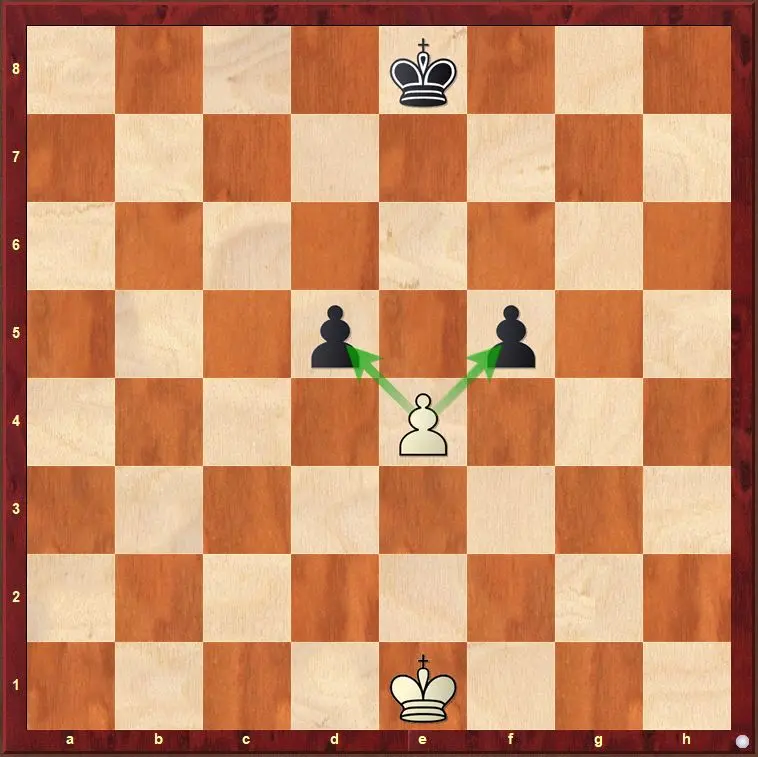
Pawns may appear to be the least powerful pieces, but they shape the structure of every chess game.
Every pawn move permanently changes the position because pawns cannot move backwards.
That makes pawn decisions surprisingly important.
Good pawn play creates space for your pieces, supports your plans, and helps protect your king.
Learn exactly how pawns move, capture, promote, and use special rules such as en passant in our complete Chess Rules guide.
You’ll find the complete movement rules, diagrams, and examples for every piece in our Chess Rules guide.
Understanding Piece Values
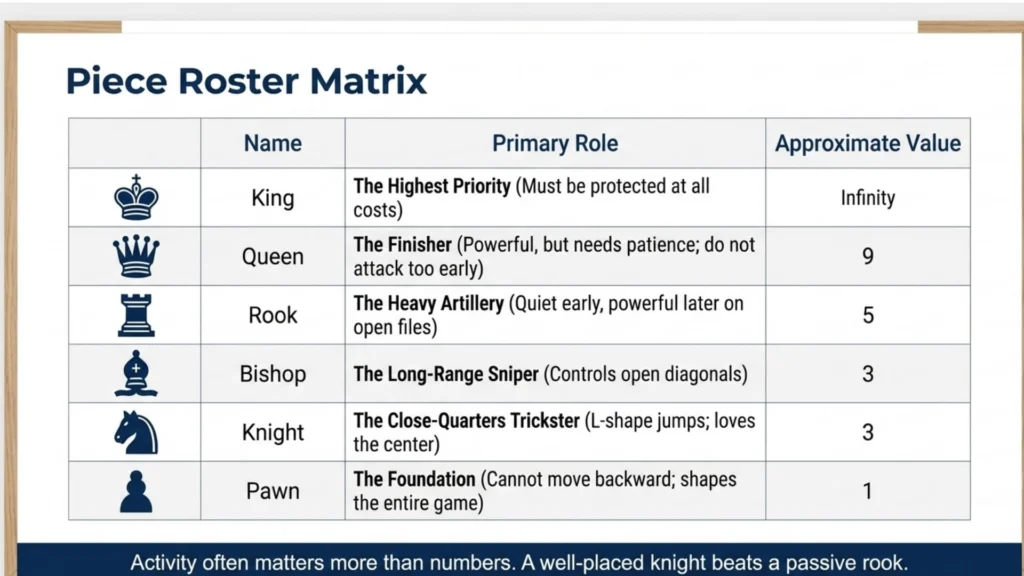
Chess players often use approximate piece values to judge exchanges.
These values are useful guidelines rather than strict rules.
| Piece | Approximate Value |
| Pawn | 1 |
| Knight | 3 |
| Bishop | 3 |
| Rook | 5 |
| Queen | 9 |
These numbers help beginners evaluate trades, but they don’t tell the whole story.
An active knight can be more valuable than a poorly placed rook.
A bishop controlling a long diagonal may contribute more than a trapped queen.
As you improve, you’ll learn that activity, coordination, and king safety often matter more than material alone.
A more detailed explanation of piece values, starting positions, and the role of each piece can be found in our Chess Basics guide.
Remember
Don’t think of chess pieces individually.
Think of them as a team.
The strongest positions are created when every piece has a purpose and works together.
Try This
Set up a chessboard and identify every piece.
As you look at each one, ask yourself:
- What role does this piece usually play?
- When does it become strongest?
- How does it support the other pieces?
- How might it help protect the king?
Understanding the purpose of each piece will make learning the rules—and later, strategy and tactics—much easier.
What Is the Real Objective of Chess?
If you ask a group of complete beginners what the goal of chess is, you’ll often hear answers like:
- “Capture the queen.”
- “Win more pieces.”
- “Take everything.”
- “Attack first.”
These answers seem logical because capturing pieces feels like progress.
But they aren’t the real objective.
The purpose of chess is surprisingly simple:
Your goal is to checkmate your opponent’s king.
Everything else—winning material, controlling the centre, developing your pieces, or creating an attack—is valuable only because it helps you achieve that objective.
This is one of the first mindset shifts that separates beginners from improving players.
Instead of asking:
“What can I capture?”
begin asking:
“How does this move improve my position or bring me closer to checkmate?”
That single question changes the quality of your decisions.
Position Matters More Than Winning Pieces
Many beginners become excited whenever they see an undefended pawn or piece.
Sometimes capturing it is correct.
Sometimes it creates bigger problems.
Strong players don’t simply ask whether they can win material.
They also ask whether winning that material improves their position.
A small material advantage is rarely useful if:
- Your king is exposed.
- Your pieces remain undeveloped.
- Your opponent controls the centre.
- Your attack disappears.
Learning to balance material with position is one of the biggest steps towards becoming a stronger player.
Remember
Material tells you who has more pieces.
Position tells you whose pieces are working better.
Understanding Check, Checkmate and Stalemate
Every beginner should understand these three ideas because they determine how every chess game ends.
This guide introduces them so you understand their purpose.
The complete rules, examples, and special situations are explained in our dedicated Chess Rules guide.
Check
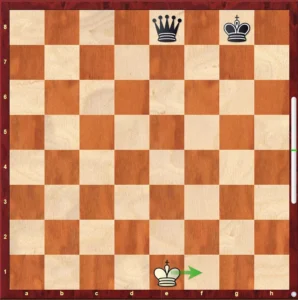
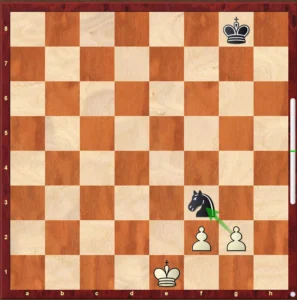
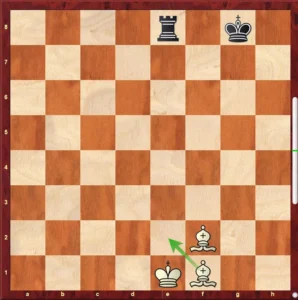
A king is in check when it is under immediate attack.
Whenever your king is in check, you must respond immediately.
There are only three ways to do this:
- Move the king to safety.
- Capture the attacking piece.
- Block the attack (when possible).
Understanding check is essential because every move in chess must respect king safety.
For detailed diagrams, examples, and common beginner mistakes, continue to our Chess Rules guide.
Checkmate
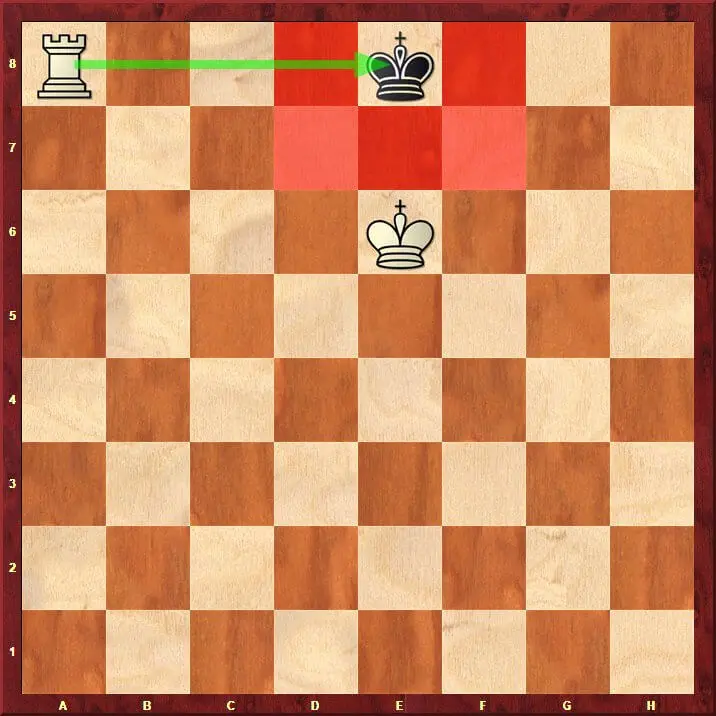
Checkmate is the objective of chess.
It occurs when:
- The king is in check.
- There is no legal move that removes the check.
The game ends immediately.
Many beginners become so focused on capturing pieces that they overlook checkmate opportunities.
As your understanding improves, you’ll begin recognising positions where checkmate is possible even without winning additional material.
Our complete Chess Rules guide explains checkmate patterns, common examples, and practical exercises.
Stalemate
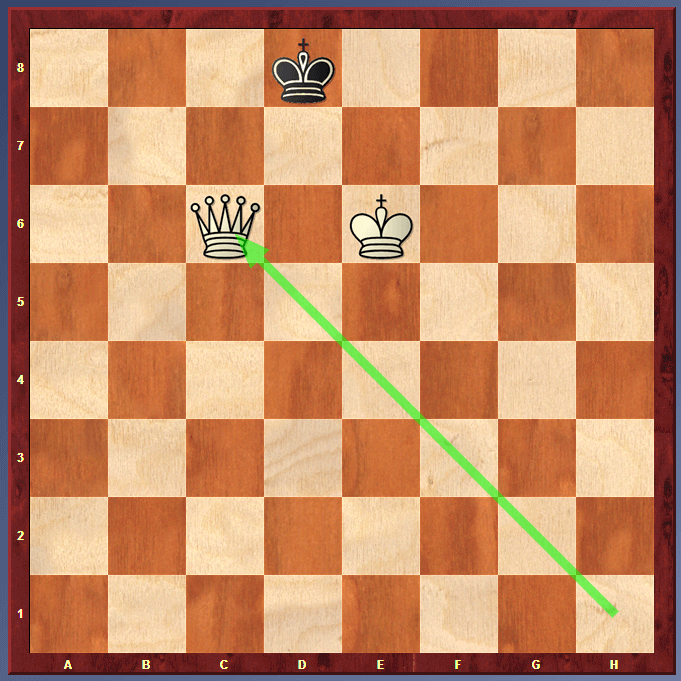
Stalemate is one of the most misunderstood rules in chess.
It occurs when:
- The player to move has no legal move.
- Their king is not in check.
Instead of winning, the game ends as a draw.
Many beginners accidentally stalemate their opponent while trying to deliver checkmate.
Understanding the difference helps you convert winning positions successfully.
You’ll find detailed explanations, diagrams, and examples in our Chess Rules guide.
Remember
Winning isn’t about capturing every piece.
Winning is about leaving your opponent with no legal escape from check.
Special Chess Rules Every Beginner Should Know
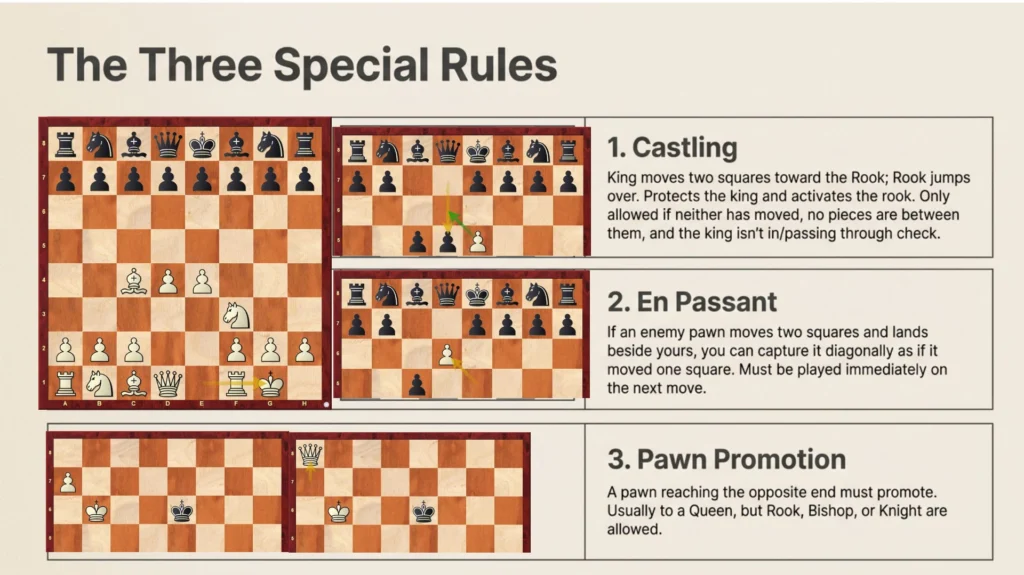
Most chess moves follow straightforward movement rules.
However, every beginner should know that three special rules exist:
- Castling
- En Passant
- Pawn Promotion
Rather than trying to memorise every detail immediately, it’s more important to understand why these rules exist and when they appear during a game.
Our complete Chess Rules guide explains each rule with:
- Step-by-step diagrams
- Practical examples
- Common beginner mistakes
- Frequently asked questions
- Simple exercises
For official tournament regulations and the complete international rules of chess, you can also refer to the FIDE Laws of Chess.
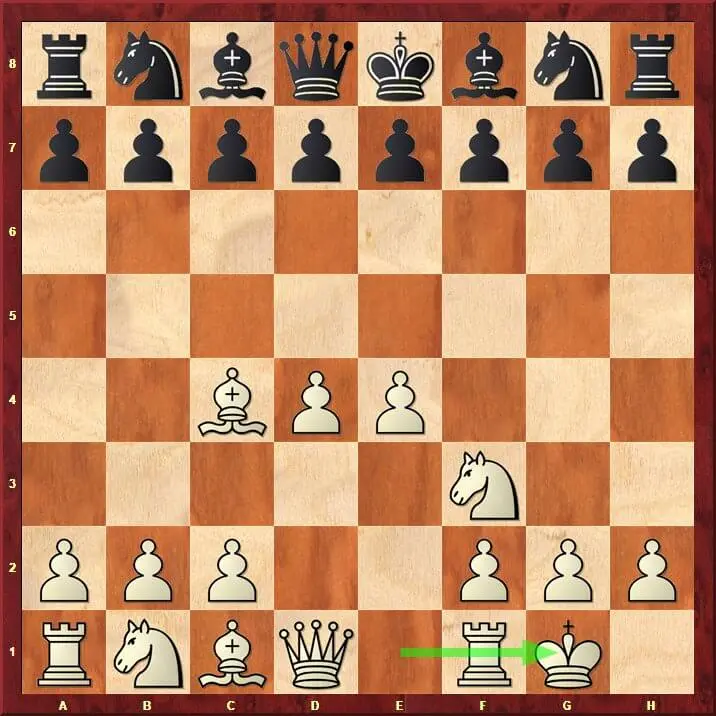
Castling
Castling is one of the most important defensive moves in chess. It protects your king while bringing a rook into the game. Before castling, there are several conditions you need to understand, including when castling is allowed and when it isn’t.
Read our complete Chess Rules guide to learn the rules, common mistakes, and practical examples.
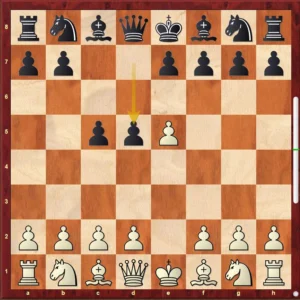
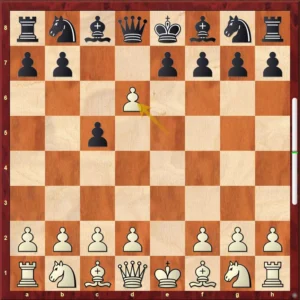
En Passant
En passant is a special pawn capture that surprises many beginners because it only applies in one specific situation.
Rather than trying to memorise it immediately, focus on understanding why the rule exists and when it can occur.
Read our complete Chess Rules guide for diagrams and step-by-step examples.
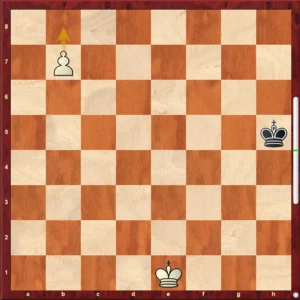
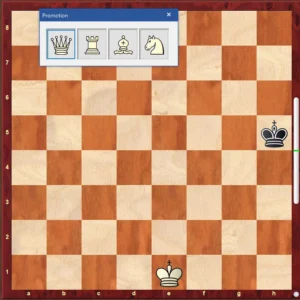
Pawn Promotion
When a pawn reaches the last rank, it must be promoted to another piece.
Most promotions are to a queen, but there are situations where promoting to a rook, bishop, or knight is the stronger choice.
Read our complete Chess Rules guide to understand promotion, underpromotion, and practical examples.
Opening Principles Every Beginner Should Know
Many beginners believe they need to memorise opening variations before they can play good chess.
Fortunately, that’s not true.
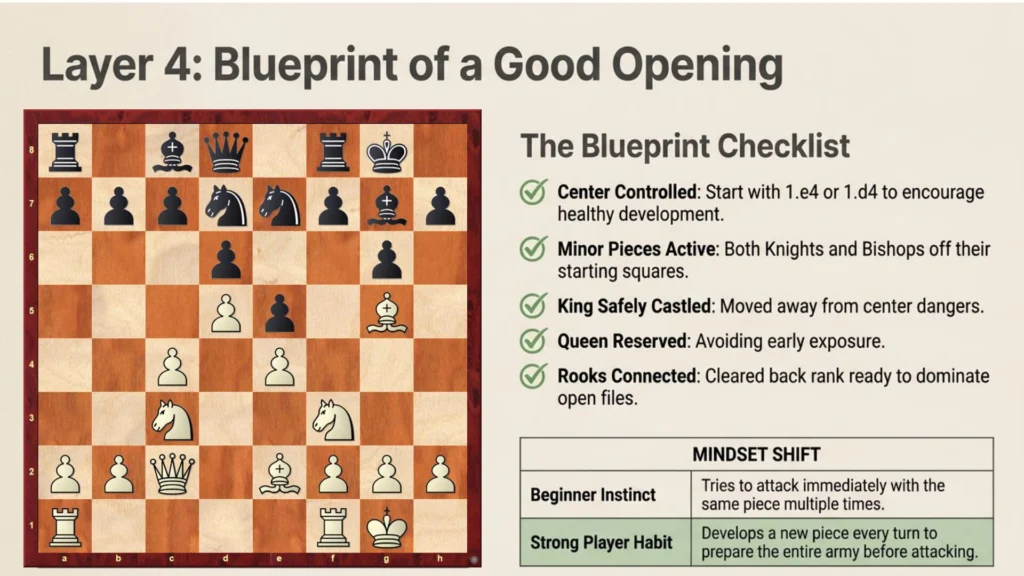
Strong openings are built on a handful of simple principles rather than memorised move sequences.
If you understand these principles, you’ll make sensible decisions even in unfamiliar positions.
Control the Centre
The centre of the board gives your pieces the greatest freedom to move.
Good opening play usually begins by challenging or controlling the central squares while preparing your pieces for active play.
As you study openings, you’ll discover that nearly every opening follows this idea in one form or another.
Learn why controlling the centre is so important in our complete Chess Openings guide.
Develop Your Pieces
Development means bringing your pieces from their starting squares to active positions.
A common beginner mistake is moving the same piece repeatedly while the rest of the army remains undeveloped.
Instead, aim to:
- Develop your knights.
- Develop your bishops.
- Prepare your king for safety.
- Bring your rooks into the game.
Good development creates positions where your pieces work together naturally.
Castle Early
Keeping your king safe is one of the priorities of the opening.
Castling usually helps by:
- Moving your king away from the centre.
- Activating one of your rooks.
Rather than delaying king safety, try to make castling part of your normal opening routine whenever the position allows.
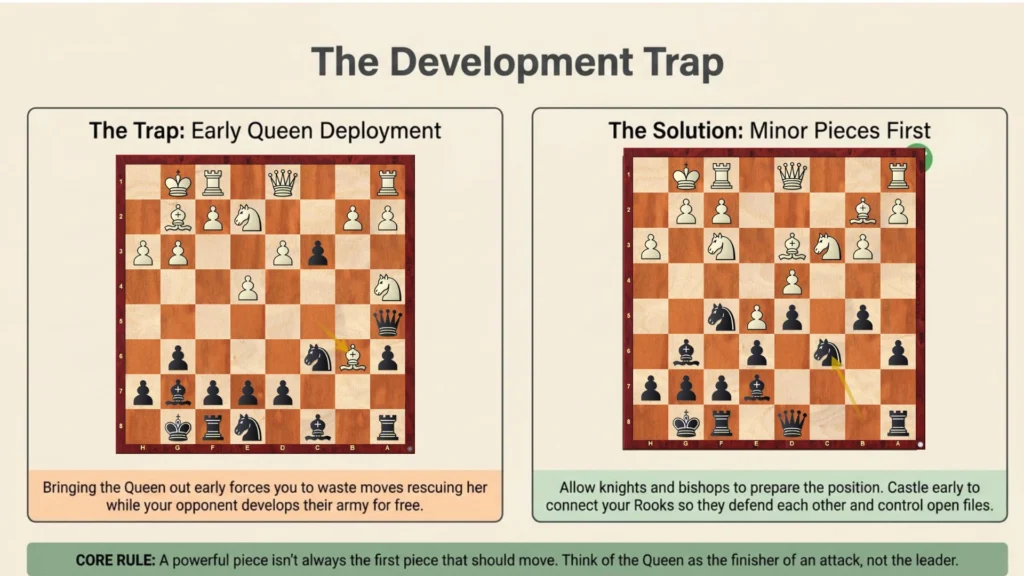
Don’t Bring the Queen Out Too Early
The queen is your strongest piece.
That doesn’t mean she should lead the attack.
Developing your minor pieces first usually creates a stronger and more flexible position.
Once your pieces are working together, the queen often becomes much more effective.
Build Your Position Before Attacking
Many beginners attack simply because they can.
Stronger players attack because their position is ready.
Before looking for aggressive ideas, ask yourself:
- Are my pieces developed?
- Is my king safe?
- Am I controlling important squares?
- Are my rooks becoming active?
If the answer is yes, attacking opportunities often appear naturally.
Remember
Good openings aren’t built by memorising moves.
They’re built by following sound principles.
Continue Learning
Once you’re comfortable with these ideas, continue with our complete Chess Openings guide to learn:
- Why opening principles work
- How strong openings are built
- Common beginner mistakes
- Recommended openings for new players
- How to study openings without relying on memorisation
How to Think During a Chess Game
Knowing the rules is only the beginning.
One of the biggest challenges for beginners is deciding what to do when there isn’t an obvious move.
Many new players simply move the first piece that looks active or capture the first undefended piece they notice. Sometimes those moves work. More often, they create new problems.
Strong players don’t guess.
They follow a simple thinking process before every move.
You don’t need to calculate ten moves ahead to play good chess. You simply need a reliable way to organise your thinking.
This guide introduces that process. As your understanding grows, you’ll learn it in much greater depth in our dedicated Chess Thinking guide.
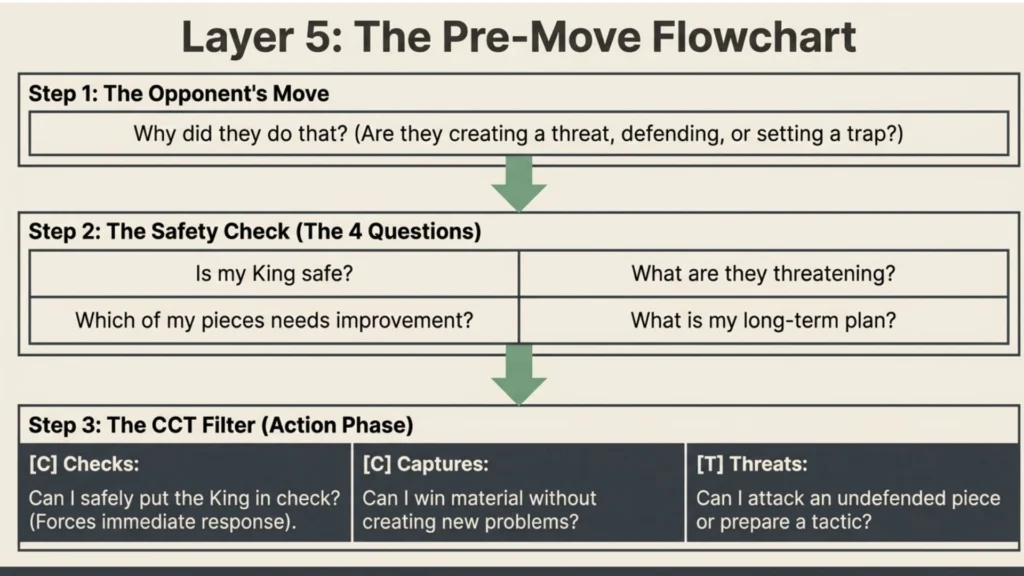
Start by Understanding Your Opponent’s Move
Before deciding what you want to do, first ask yourself:
“Why did my opponent play that move?”
Every move usually has a purpose.
Perhaps your opponent is:
- Creating a threat
- Defending a piece
- Improving a piece
- Preparing an attack
- Setting a tactical trap
Developing the habit of asking this one question will help you avoid many beginner mistakes.
Look for Immediate Opportunities
Once you understand your opponent’s idea, begin looking for opportunities of your own.
A useful beginner habit is checking for:
- Checks
- Captures
- Threats
This simple routine helps you notice important tactical ideas before making an ordinary move.
As you improve, you’ll learn a complete decision-making framework that helps you evaluate positions more deeply.
Improve Your Position
Not every move needs to attack.
Sometimes the strongest move is simply improving one of your pieces.
Ask yourself:
- Which piece is doing the least?
- Can I make my king safer?
- Can I improve my coordination?
- Can I control more important squares?
Small improvements often create bigger opportunities later.
Think One Move Ahead
Before making any move, pause briefly and imagine your opponent’s most sensible reply.
Ask yourself:
“If I play this move, what will my opponent probably do next?”
This simple habit prevents many blunders and gradually improves your calculation skills.
You don’t need perfect calculation.
You simply need to slow down enough to avoid unnecessary mistakes.
Remember
Chess improvement isn’t about finding brilliant moves.
It’s about consistently making thoughtful ones.
Continue Learning
Developing a reliable thinking process is one of the fastest ways to improve.
Our complete Chess Thinking guide explains:
- Step-by-step decision-making
- Candidate moves
- Calculation
- Common thinking mistakes
- Practical thinking routines
- How stronger players evaluate positions
Understanding Chess Tactics
Many beginners believe experienced players calculate dozens of moves ahead.
In reality, they often recognise familiar patterns they have seen many times before.
These recurring patterns are called tactics.
Improving your tactical awareness is one of the quickest ways to become a stronger player.
Rather than memorising hundreds of combinations, begin by understanding that tactical ideas appear repeatedly in real games.
Some of the most common tactical patterns include:
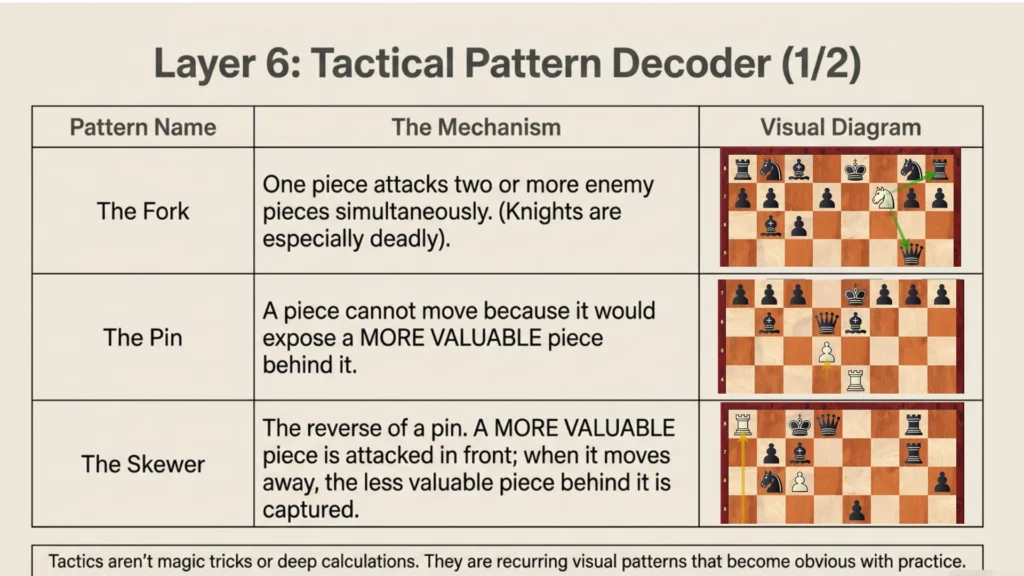
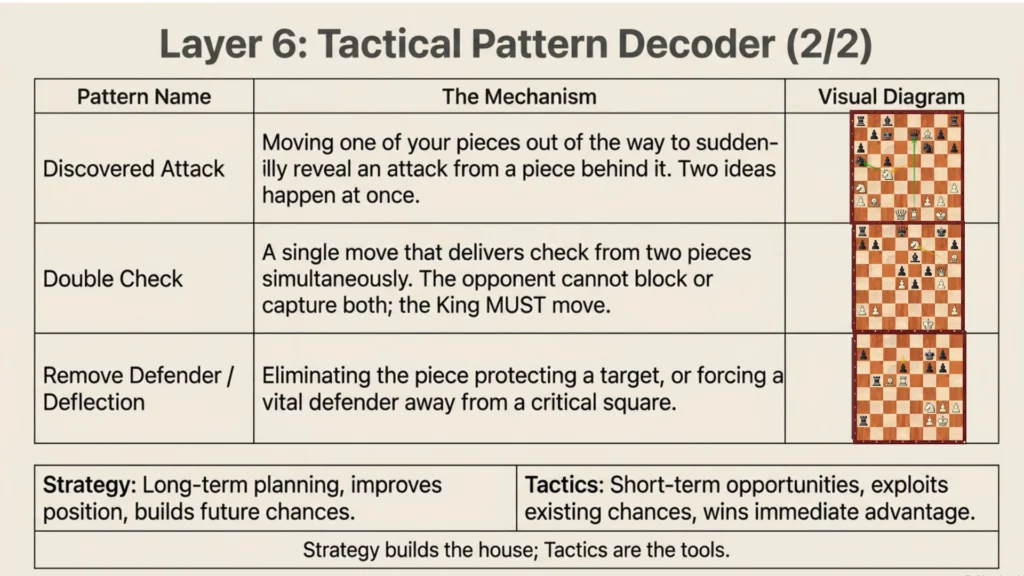
Learning to recognise these patterns will help you:
- Win material
- Avoid simple mistakes
- Spot opportunities earlier
- Finish attacks more effectively
This guide introduces tactics as an important stage of your chess development.
Our complete Chess Tactics guide explains every tactical pattern with:
- Clear diagrams
- Practical examples
- Common beginner mistakes
- Tactical puzzles
- Training exercises
Remember
Tactics aren’t magic tricks.
They’re recurring patterns that become easier to recognise through practice.
Understanding Chess Strategy
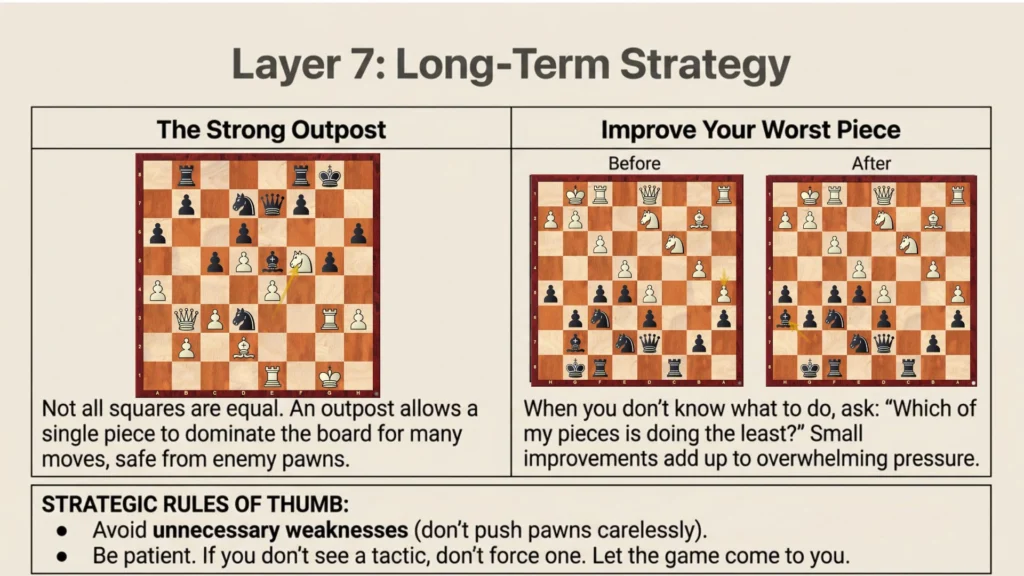
If tactics help you take advantage of immediate opportunities, strategy helps you create those opportunities in the first place.
One of the biggest differences between beginners and experienced players is the type of questions they ask.
Beginners often think:
“What can I attack right now?”
Stronger players often think:
“How can I improve my position?”
Strategy is about making small improvements that gradually create stronger positions.
Examples include:
- Improving inactive pieces
- Controlling important squares
- Coordinating your pieces
- Keeping your king safe
- Creating long-term plans
Unlike tactics, strategy usually develops over many moves.
Understanding these ideas helps you make better decisions even when there isn’t an immediate attack available.
Our complete Chess Strategy guide explores topics such as:
- Piece activity
- Long-term planning
- Strong and weak squares
- Positional play
- Exchanges
- Improving your position step by step
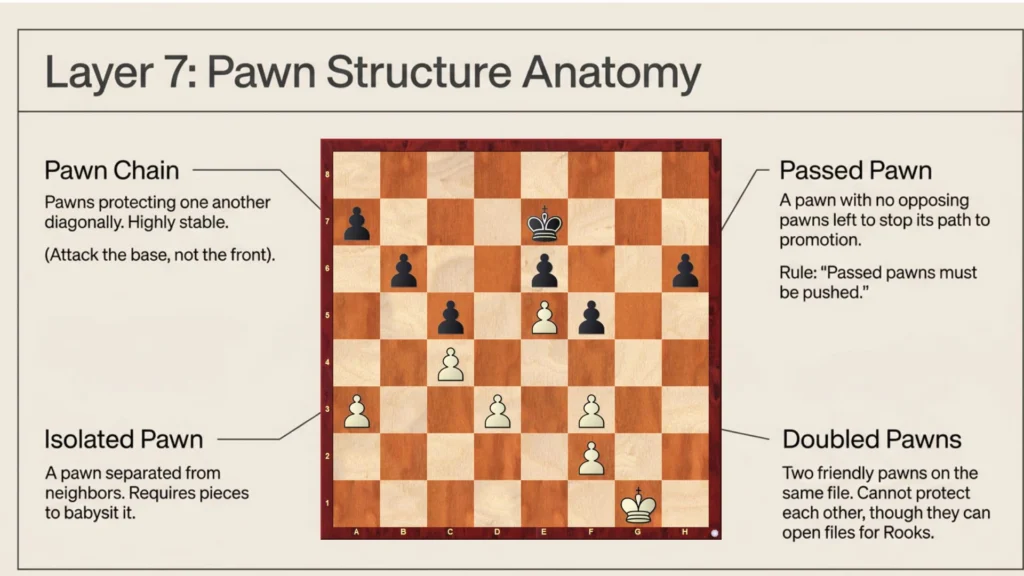
Pawn Structure
Pawns influence every phase of a chess game because they cannot move backwards.
Every pawn move permanently changes the position.
As your chess improves, you’ll discover that pawn structure often determines:
- Where attacks develop
- Which pieces become active
- Long-term strengths and weaknesses
- Strategic plans
Rather than studying pawn structure immediately, beginners should first build confidence with the basic principles introduced throughout this guide.
You’ll learn pawn structure in much greater depth in our Chess Strategy guide.
How to Practise Chess and Improve Faster
Understanding chess is only the beginning.
Improvement comes from applying what you learn consistently.
One of the biggest misconceptions among beginners is that simply playing more games automatically makes you stronger.
Playing helps.
Playing thoughtfully is what leads to steady improvement.
The strongest players don’t just play games.
They learn something from every game they play.
If you’re looking for a free place to practise, play games, solve tactical puzzles, and analyse your performance, Lichess offers an excellent collection of learning tools for players of all levels.
Build a Consistent Practice Routine
A short daily routine is usually far more effective than occasional long study sessions.
A balanced beginner routine might include:
| Activity | Recommended Time |
| Solve tactical puzzles | 10–15 minutes |
| Play one thoughtful game | 20–30 minutes |
| Review your game | 10 minutes |
| Study one lesson | 10–15 minutes |
Even twenty to thirty minutes of focused practice each day can produce steady improvement.
Consistency matters far more than intensity.
Review Your Games
Improvement happens after the game as much as during it.
After every game, ask yourself:
- Where did I make my first mistake?
- Did I follow the opening principles?
- Did I overlook any tactical opportunities?
- Was my king safe?
- Which move would I change if I played the game again?
Developing the habit of reviewing your games will help you improve much faster than simply starting another game immediately.
Solve Tactical Puzzles
Tactical puzzles train pattern recognition.
Instead of rushing to find the answer, ask yourself:
- Is there a check?
- Is there a capture?
- Is there a tactical opportunity?
These exercises strengthen the same skills you’ll use during real games.
Learn From Your Mistakes
Every player makes mistakes.
Strong players simply learn from them more effectively.
Instead of asking:
“Why did I lose?”
ask:
- What did I overlook?
- Why did I miss it?
- How can I avoid the same mistake next time?
That mindset creates long-term improvement.
A Simple Beginner Learning Roadmap
Rather than trying to study everything at once, build your understanding step by step.
Stage 1 — Learn the Foundations
- Chessboard
- Chess pieces
- Objective of the game
Stage 2 — Learn the Rules
- Piece movement
- Check
- Checkmate
- Stalemate
- Castling
- Promotion
- En passant
Stage 3 — Play Complete Games
Apply what you’ve learned without worrying about perfection.
Stage 4 — Learn Opening Principles
Understand:
- Development
- Centre control
- King safety
- Piece coordination
Stage 5 — Develop Tactical Awareness
Learn to recognise recurring tactical patterns.
Stage 6 — Build Strategic Understanding
Study long-term planning and positional play.
Stage 7 — Practise Consistently
Review games, solve puzzles, and continue learning.
Remember
Chess is a journey.
Each stage builds naturally on the one before it.
Frequently Asked Questions
How long does it take to learn chess?
Most beginners can learn the basic rules in a few hours. Developing confidence and consistency takes longer and depends on regular practice.
Should I memorise openings first?
No. Understanding opening principles is much more valuable than memorising move sequences as a beginner.
What’s the fastest way to improve?
Play thoughtful games, review your mistakes, solve tactical puzzles regularly, and study one concept at a time.
Is chess difficult to learn?
The rules are relatively simple. The challenge—and the enjoyment—comes from gradually improving your understanding through practice.
Should children learn differently from adults?
The fundamentals are the same, but children often benefit from shorter practice sessions, interactive learning, and regular encouragement rather than memorisation.
Continue Your Chess Journey
Now that you understand the overall learning roadmap, continue with the dedicated guides that explain each topic in depth.
Recommended learning order:
- Chess Basics
- Chess Rules
- How to Play Chess
- Chess Openings
- Chess Tactics
- Chess Strategy
- Chess Endgames
- Chess Thinking
Each page builds on the previous one, helping you develop a strong foundation without becoming overwhelmed.
Whether you’re learning for yourself or helping your child begin their chess journey, focusing on one stage at a time will lead to faster improvement and greater confidence.
If you’d like structured guidance and personalised feedback, you can also book an assessment to identify your current level and receive a clear improvement plan.