
Learn Chess Online: The Complete Beginner’s Guide
Quick Summary
- Learn the rules thoroughly.
- Understand basic checkmate patterns.
- Build tactical awareness.
- Study opening principles.
- Develop strategic thinking.
- Learn essential endgames.
- Analyze your games regularly.
- Follow a structured training routine.
- Improve through consistency rather than shortcuts.
Table of Contents
What Does It Mean to Learn Chess Online?
Learning chess online means developing chess skills through digital lessons, live coaching, tactical puzzles, practice games, game analysis, and structured training programs delivered through the internet.
Online learning allows students to access high-quality chess education regardless of location.
Instead of depending entirely on local clubs or nearby instructors, students can connect with experienced coaches, interactive learning platforms, training communities, and structured improvement systems from home.
Modern online chess education can include the following:
- Live online classes
- Private coaching sessions
- Interactive learning platforms
- Tactical puzzle training
- Practice games
- Game analysis sessions
- Training plans
- Tournament preparation
Can someone become a strong chess player through online learning?
Yes. Many strong players have developed primarily through online study, practice, coaching, and tournament participation.
Who Is This Guide For?
This guide is designed for:
- Complete beginners learning chess for the first time
- Children beginning structured chess training
- Parents researching online chess coaching options
- Adult learners returning to chess after a break
- School students preparing for competitions
- Improving players seeking a structured roadmap
Whether your goal is casual enjoyment, competitive improvement, or long-term chess development, the principles remain the same.
Strong improvement comes from learning the right concepts at the right time and practicing them consistently.“`
Learn the Chess Rules Properly
The first step in learning chess online is understanding the board, piece movement, capturing rules, check, checkmate, castling, en passant, and pawn promotion.
Many beginners underestimate the importance of this stage because they want to start playing immediately.
However, every future chess skill depends on understanding the rules correctly.
A strong foundation prevents confusion later and makes learning tactics, strategy, and endgames significantly easier.
What Every Beginner Should Learn First
- Chessboard setup
- How each piece moves
- How pieces capture
- The concept of a check
- The concept of checkmate
- Castling rules
- En passant
- Pawn promotion
- Basic draws and stalemate
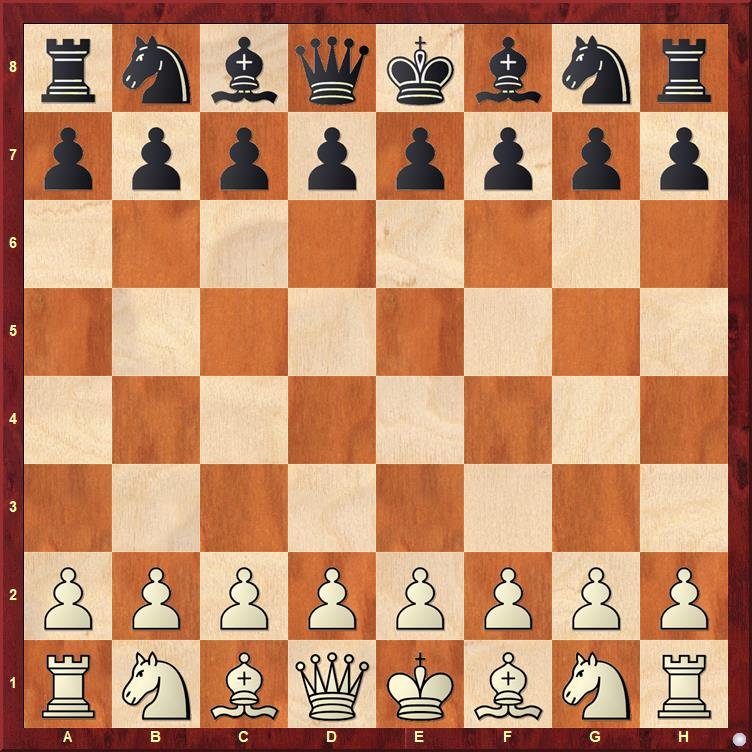
Every chess game begins from the same starting position. Learning the initial setup helps beginners understand board orientation, piece placement, and the basic principles that guide the opening phase of the game.
White always begins on the side where the bottom-right corner square is light colored. The pieces are arranged symmetrically, with rooks on the corners, knights next to the rooks, bishops next to the knights, the queen on her own colour, and the king on the remaining central square.
Before studying openings, tactics, or strategy, every beginner should feel completely comfortable identifying this position and understanding where each piece belongs.
Common Beginner Mistakes
- Moving pieces incorrectly
- Confusing check with checkmate
- Forgetting castling rights
- Missing promotion opportunities
- Not recognizing stalemate situations
Mini FAQ
How long does it take to learn the rules?
Most beginners can understand the basic rules within a few days. Developing confidence with those rules usually takes several weeks of practice.
Should children memorize all the rules immediately?
No. Children typically learn best through gradual practice and repetition rather than memorization alone.
Understand Check and Checkmate
Check occurs when a king is under attack. Checkmate occurs when the king is attacked and there is no legal move to escape.
Learning how games are won is one of the most important early milestones.
Many beginners focus heavily on openings while spending very little time learning checkmate patterns.
This often creates situations where they gain winning positions but struggle to finish games correctly.
Essential Beginner Checkmates
- King and Queen versus King
- King and Rook versus King
- Back-rank checkmate
- Basic mating nets
- Simple tactical mates
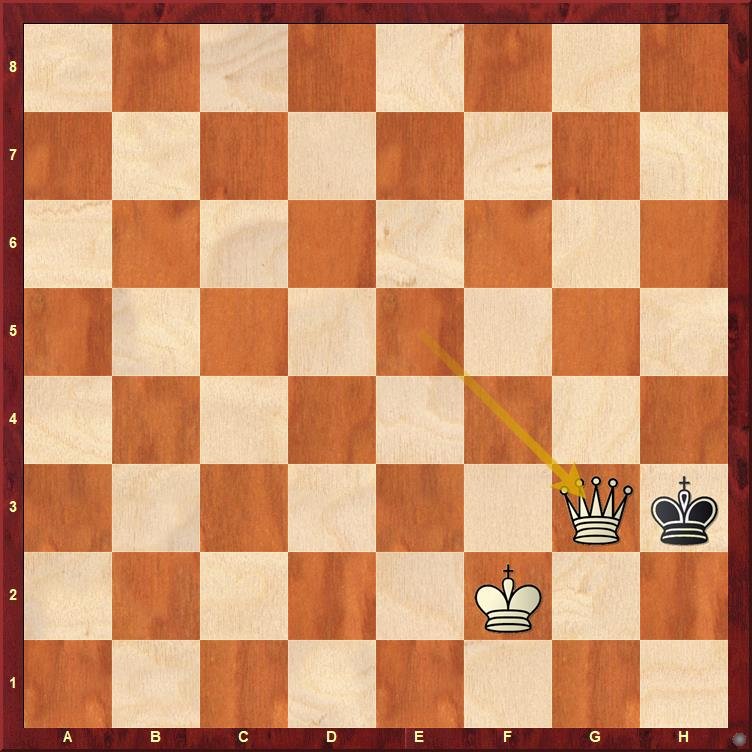
One of the first checkmate patterns every beginner should learn is the king and queen versus king checkmate. This fundamental endgame teaches coordination between the king and queen and demonstrates how stronger pieces can restrict the opposing king’s movement.
The queen controls key escape squares while the friendly king provides support. By gradually reducing the enemy king’s available space, checkmate can be delivered safely and efficiently.
Learning this pattern helps beginners understand how checkmate works and builds confidence when converting winning positions into victories.
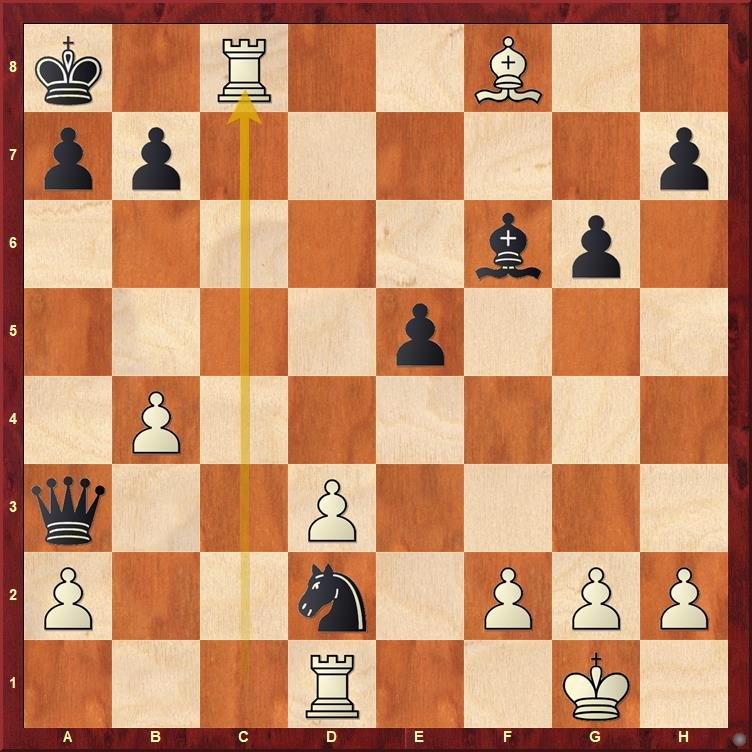
The back-rank checkmate is one of the most common tactical checkmate patterns in chess. It occurs when a king becomes trapped behind its own pawns and cannot escape an attack along the back rank.
In many beginner and intermediate games, players focus on attacking pieces while overlooking weaknesses around their king. A rook or queen can often exploit this weakness by delivering checkmate on the back rank.
Learning to recognize back-rank patterns helps players both create tactical opportunities and avoid costly mistakes. It also reinforces the importance of king safety, piece coordination, and creating escape squares when defending.
Why Checkmate Training Matters
After working with many beginners, I have found that students who understand basic mating patterns often gain confidence much faster because they know how to convert winning positions into victories.
Mini FAQ
Should beginners memorize checkmate patterns?
Yes. Basic checkmate patterns appear frequently and provide a foundation for tactical awareness later.
Build Tactical Awareness
Chess tactics are short combinations that create immediate threats, win material, or lead directly to checkmate.
For beginners and intermediate players alike, tactical improvement is often the fastest path to stronger results.
Many games are decided by tactical mistakes rather than strategic misunderstandings.
Learning tactical patterns helps players recognize opportunities and avoid common blunders.
Core Tactical Patterns
| Tactic | Description |
|---|---|
| Fork | One piece attacks two or more targets. |
| Pin | A piece cannot move without exposing a more valuable piece. |
| Skewer | A valuable piece is attacked first, exposing another target. |
| Discovered Attack | Moving one piece reveals an attack from another. |
| Double Attack | Two threats are created simultaneously. |
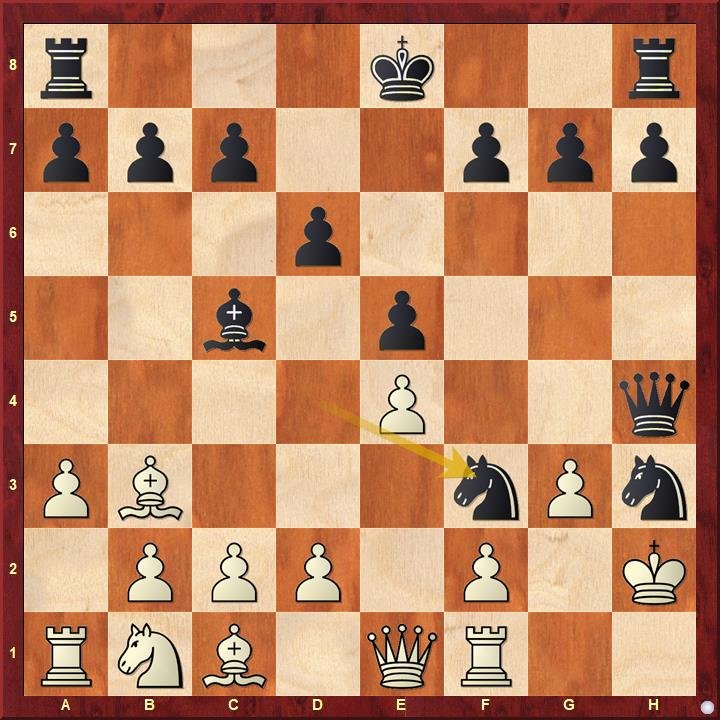
A knight fork is one of the most important tactical patterns in chess. It occurs when a single knight attacks two or more pieces at the same time, creating multiple threats that are difficult to defend.
In this position, the knight attacks both the king and the queen simultaneously. Because the king is in check, the opponent must respond to the check first, allowing the knight to win the queen on the next move.
Knight forks are especially dangerous because knights move in a unique L-shaped pattern. Many beginners focus on straight-line attacks from queens, rooks, and bishops, while overlooking threats created by knights.
Learning to recognize forks improves tactical awareness, reduces blunders, and helps players spot opportunities to gain material during real games.
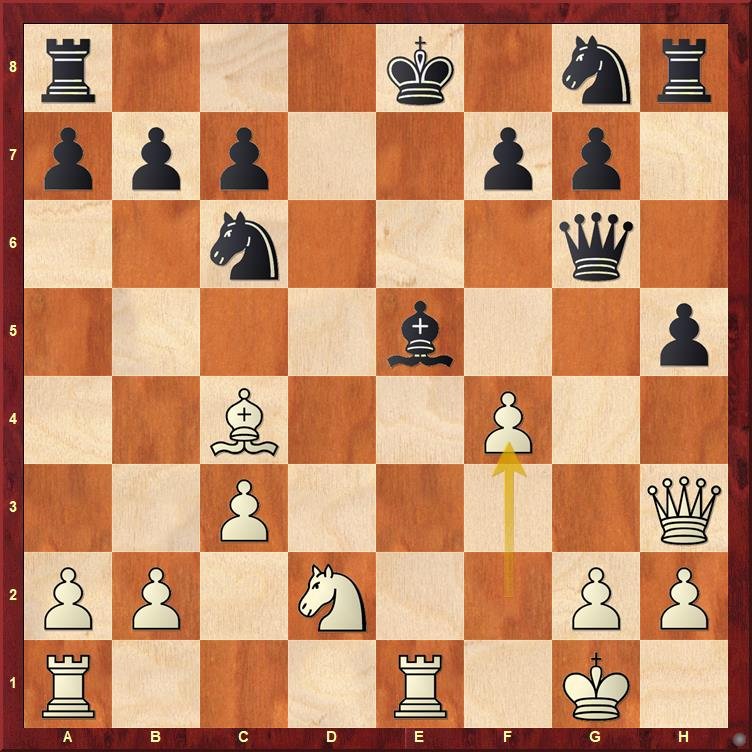
A pin is one of the most important tactical patterns in chess. It occurs when a piece cannot move without exposing a more valuable piece behind it to attack.
In this example, the knight is pinned because moving it would leave the queen vulnerable. As a result, the knight loses much of its mobility and becomes difficult to use effectively.
Pins are powerful because they restrict an opponent’s options. Even when no material is won immediately, a pin can create long-term pressure and make it easier to coordinate attacks against important targets.
Strong players constantly look for opportunities to create pins because they can lead to tactical combinations, material gains, and positional advantages.
Practical Training Advice
One common pattern I notice among improving students is that they solve puzzles consistently rather than occasionally.
Ten minutes of daily tactical training is usually more effective than a long puzzle session once every few weeks.
Mini FAQ
How many puzzles should beginners solve each day?
A short daily session of 10–15 minutes is often enough to build tactical awareness steadily over time.
Should tactics or openings come first?
For most beginners, tactical training provides faster improvement than opening memorization.
Learn Opening Principles Before Memorizing Openings
Beginners should focus on opening principles rather than memorizing long opening variations.
One of the most common mistakes new players make is trying to memorize dozens of opening moves without understanding why those moves are played.
Strong opening play comes from understanding fundamental ideas rather than remembering move sequences.
The Five Most Important Opening Principles
- Control the center.
- Develop pieces quickly.
- Castle early.
- Connect the rooks.
- Avoid unnecessary moves.
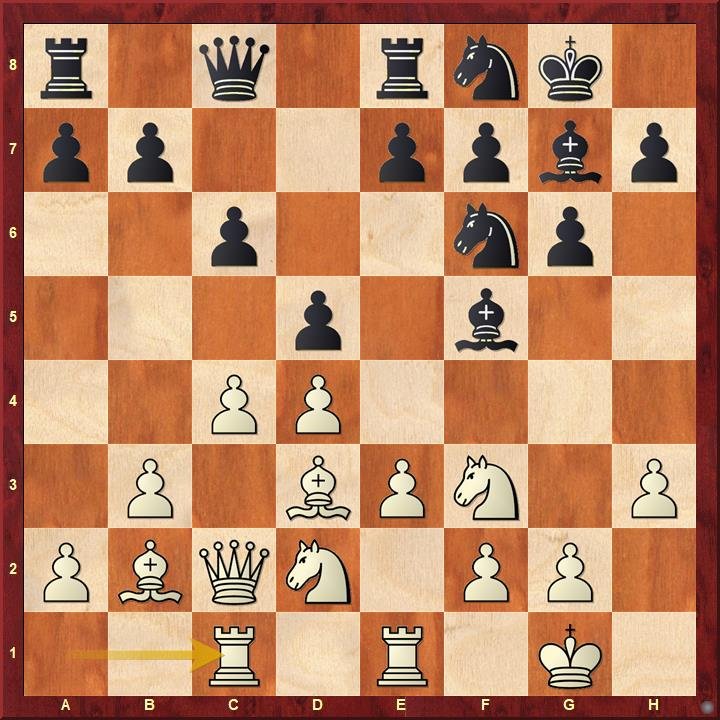
A strong opening is not about memorizing long sequences of moves. It is about following sound principles that help your pieces become active, and your king remain safe.
In this position, the pieces are developed toward the center, the king is protected through castling, and the player is preparing for the middlegame with a solid foundation. These are the goals beginners should focus on during the opening phase.
Controlling the center is especially important because central squares give your pieces greater mobility and influence across the board. Players who control the center often find it easier to launch attacks, defend important areas, and create strategic plans.
Many beginners spend too much time memorizing opening variations and not enough time understanding these fundamental ideas. Strong opening play comes from understanding principles first and memorization second.
Common Opening Mistakes
| Mistake | Better Alternative |
|---|---|
| Moving the queen early | Develop minor pieces first |
| Ignoring king safety | Castle early |
| Moving one piece repeatedly | Develop all pieces efficiently |
| Memorizing without understanding | Learn principles first |
Over the years, I have found that students who understand opening principles adapt much more easily than students who rely entirely on memorization.
Mini FAQ
Which opening should beginners learn first?
Instead of focusing on a specific opening, beginners should first learn opening principles. Once those principles become natural, studying individual openings becomes much easier.
Do strong players memorize openings?
Yes, but they build that knowledge on top of a strong understanding of opening ideas and strategic concepts.
Learn Chess Strategy
Chess strategy is the process of creating long-term plans based on the strengths, weaknesses, and characteristics of a position.
While tactics help you find immediate opportunities, strategy helps you understand where your pieces belong and what plans you should follow.
Many beginners become comfortable with tactical patterns but struggle when no immediate tactical opportunities exist.
That is where strategic understanding becomes important.
Core Strategic Concepts
| Concept | Why It Matters |
|---|---|
| Piece Activity | Active pieces create more opportunities. |
| King Safety | Protects against tactical attacks. |
| Pawn Structure | Determines strengths and weaknesses. |
| Space Advantage | Provides greater freedom for pieces. |
| Open Files | Create opportunities for rooks. |
| Weak Squares | Can become long-term targets. |
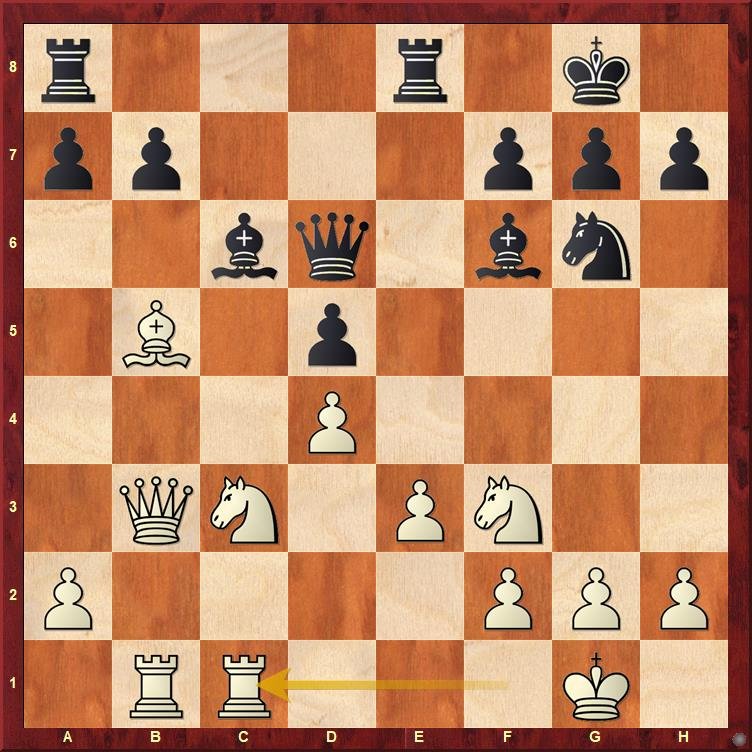
Open files are one of the most important strategic resources in chess. An open file is a column with no pawns blocking movement, allowing rooks and queens to become more active and exert pressure across the board.
In this position, control of the open file gives one side greater freedom to penetrate the opponent’s position and target weaknesses. Strong players often compete intensely for open files because they can become the foundation of long-term strategic plans.
Unlike tactics, which focus on immediate threats, strategy involves improving piece placement and gradually increasing pressure. Controlling an open file is a classic example of how small positional advantages can grow into larger opportunities later in the game.
Learning to identify open files helps beginners understand why rooks belong on active squares and how strategic planning influences the middlegame.
Strategic Tip: Before looking for tactical combinations, ask yourself which open files, weak squares, or important lines your pieces can control. Strong strategy often creates the conditions that make tactics possible.
Practical Example
Imagine your opponent has an isolated pawn that cannot easily be defended.
Rather than attacking immediately, you might first improve your pieces, occupy important squares, and gradually increase pressure.
This type of long-term planning is the essence of chess strategy.
Mini FAQ
When should beginners start studying strategy?
After developing basic tactical awareness, strategic concepts become much easier to understand and apply.
Study Essential Endgames
Endgames teach calculation, precision, and conversion skills that every improving player needs.
Many beginners spend most of their time studying openings while neglecting endgames.
This often creates situations where they reach winning positions but struggle to convert them into victories.
Learning basic endgames early provides a significant advantage.
Essential Endgames for Beginners
- King and pawn endings
- Opposition
- Passed pawns
- King activity
- Basic rook endings
- Promotion techniques
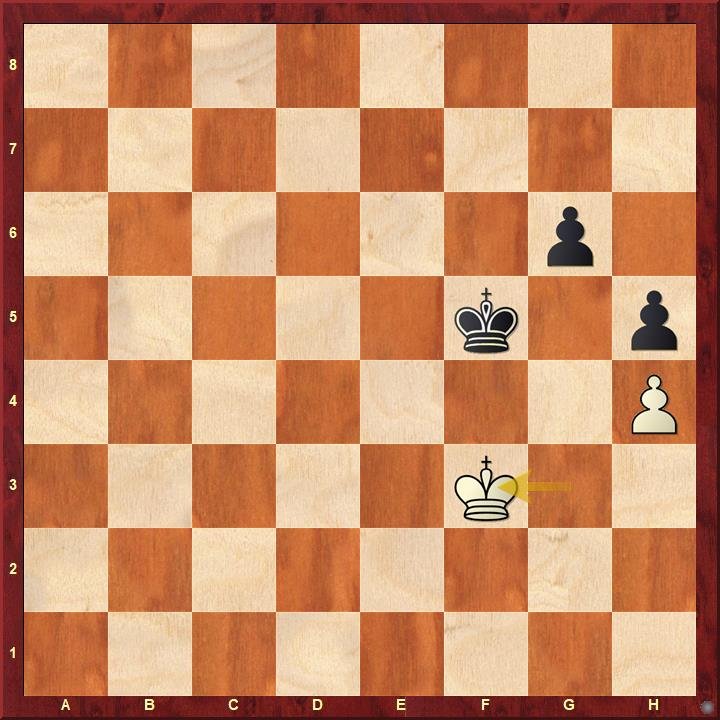
Opposition is one of the most important concepts in king and pawn endgames. It occurs when the two kings face each other with one square in between, forcing one side to give way and surrender important squares.
Understanding opposition helps players convert winning pawn endings and defend difficult positions more effectively. Many king and pawn endgames are decided not by tactics, but by which king can gain access to critical squares first.
For beginners, learning opposition provides a strong foundation for endgame play and demonstrates how precise king movement can determine the outcome of a game.
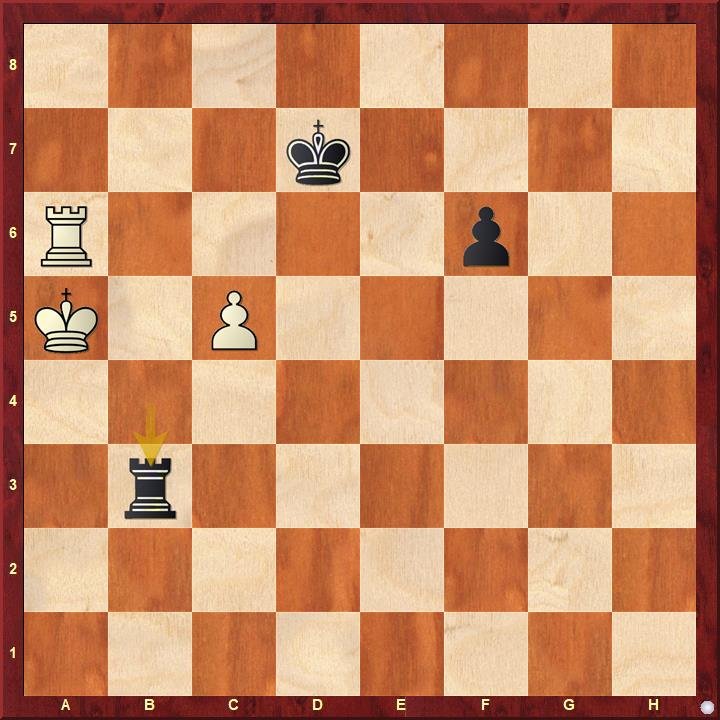
Rook endgames are among the most common endgames in practical chess. Understanding basic rook endgame principles can help players convert winning positions, save difficult games, and make more accurate decisions when only a few pieces remain on the board.
Key concepts include activating the rook, placing it behind passed pawns, using checks effectively, and improving king activity. Even a small improvement in rook endgame knowledge can lead to significantly better results in competitive play.
For beginners, mastering a few essential rook endgame techniques provides a strong foundation for handling one of the most frequently occurring endgame types in chess.
Why Endgames Improve Overall Chess Strength
Endgames teach important concepts that apply throughout the game:
- Calculation
- Piece activity
- Planning
- Pawn structure understanding
- Patience and precision
One common pattern among improving students is that endgame study often strengthens their middlegame decision-making as well.
Mini FAQ
Should beginners study endgames before openings?
Both are important, but understanding a few basic endgames often provides more practical value than memorizing long opening variations.
Analyze Your Games
Game analysis is the process of reviewing completed games to identify mistakes, missed opportunities, and areas for improvement.
Many players believe improvement comes mainly from playing more games.
In reality, much of the learning happens after the game is finished.
Game analysis helps transform experience into improvement.
Simple Post-Game Review Process
- Identify critical mistakes.
- Review tactical oversights.
- Evaluate opening decisions.
- Assess strategic choices.
- Create one improvement goal.
Benefits of Regular Game Analysis
| Benefit | Impact |
|---|---|
| Self-Awareness | Recognize recurring mistakes. |
| Better Decision-Making | Improve future choices. |
| Faster Improvement | Focus on important weaknesses. |
| Confidence | Understand why mistakes occur. |
After working with many students, I have found that thoughtful game analysis often produces more improvement than simply playing additional games.
Mini FAQ
Should beginners use engines when analyzing?
Yes, but first try to identify mistakes yourself. Engine analysis becomes more useful after an independent review.
Sample Daily Chess Training Plan
Consistency is usually more important than long study sessions.
Many beginners assume improvement requires hours of daily study.
In reality, a short and consistent routine often produces better long-term results.
| Activity | Recommended Time |
|---|---|
| Tactical Puzzles | 10 Minutes |
| Lesson or Study | 10 Minutes |
| Practice Game | 15 Minutes |
| Game Review | 10 Minutes |
Even 30–45 minutes of focused training several times per week can produce meaningful improvement over time.
What Progress Looks Like
One of the most common questions beginners ask is the following:
How long will it take to improve?
The exact timeline varies, but a typical progression often looks like this:
| Stage | Typical Focus |
|---|---|
| First Month | Rules, tactics, and checkmates |
| Months 2–3 | Opening principles and strategy |
| Months 4–6 | Game analysis and endgames |
| Beyond 6 Months | Structured improvement and tournament preparation |
Improvement is rarely linear.
Some weeks will feel productive. Other weeks may feel slower.
Consistent practice almost always matters more than short bursts of intense study.
Learn Chess Online vs Learning Alone
| Structured Learning | Unstructured Learning |
|---|---|
| Clear roadmap | Random content consumption |
| Progress tracking | No measurement system |
| Expert guidance | Trial-and-error learning |
| Personalized feedback | Limited correction |
| Focused improvement | Scattered effort |
Many successful players combine self-study with structured guidance at different stages of their development.
Parent Guide: Learning Chess Online for Children
Parents should focus on structure, consistency, communication, and long-term development rather than simply finding more chess lessons.
Parents often approach chess differently than students.
Children may be excited about learning openings, tactics, and tournaments, while parents are usually evaluating whether chess provides a healthy, structured, and meaningful learning experience.
In my experience, the most successful young chess players are rarely the ones who study the most. They are usually the ones who follow a consistent process and receive appropriate guidance along the way.
Why Many Parents Choose Chess
Chess has remained popular across generations because it combines competition, learning, and personal development uniquely.
While every child is different, many parents appreciate chess because it encourages valuable habits that extend beyond the chessboard.
| Skill | How Chess Supports It |
|---|---|
| Concentration | Requires sustained attention and focus. |
| Decision-Making | Encourages evaluating options before acting. |
| Patience | Rewards thoughtful thinking over impulsive moves. |
| Problem Solving | Presents challenges that require creative solutions. |
| Resilience | Teaches students to learn from mistakes. |
| Discipline | Rewards consistent effort and practice. |
Parents often discover that chess becomes most valuable when it is viewed as a long-term educational activity rather than simply a competitive game.
Mini FAQ
What is the best age to start learning chess?
Many children begin successfully between ages 5 and 8, although motivated learners can start earlier or later.
What Parents Should Look for in Online Chess Coaching
The strongest programs provide structure, progress tracking, communication, and guided improvement rather than simply delivering lessons.
Not all online chess programs are designed the same way.
Some focus primarily on teaching chess concepts. Others focus on creating a complete learning system.
When evaluating options, parents should consider the following factors.
| What to Evaluate | Why It Matters |
|---|---|
| Structured Curriculum | Creates logical progression. |
| Coach Experience | Improves learning quality. |
| Progress Tracking | Shows measurable improvement. |
| Parent Communication | Keeps families informed. |
| Practice Opportunities | Supports practical learning. |
| Long-Term Development | Encourages sustainable growth. |
One pattern I repeatedly notice is that children improve most when lessons, practice, feedback, and review are connected through a single system.
Why Structure Matters More Than Talent
Many parents worry about whether their child has a natural talent for chess.
While natural ability can influence learning speed, long-term improvement is usually driven by structure and consistency.
A Simple Improvement Formula
Learn Concepts
↓
Practice Consistently
↓
Review Mistakes
↓
Receive Feedback
↓
Improve
Students who follow this cycle consistently often outperform students who rely entirely on talent or short bursts of motivation.
Can You Learn Chess Online Without a Coach?
Yes. Many players improve through self-study, books, videos, puzzles, online lessons, and regular practice.
A coach is not required to learn chess.
However, coaching can make improvement more efficient by helping students avoid common mistakes and focus on the most important areas first.
| Independent Learning | Guided Coaching |
|---|---|
| Flexible pace | Personalized roadmap |
| Large amount of content | Focused priorities |
| Trial and error | Expert feedback |
| Self-correction | Faster mistake correction |
| Independent planning | Structured improvement plan |
Many successful players combine both approaches, using self-study for independent growth and coaching for direction and accountability.
Common Learning Mistakes and Better Alternatives
Most beginners make similar mistakes during their chess journey.
Recognizing them early can save months of frustration.
| Common Mistake | Better Alternative |
|---|---|
| Memorizing openings | Learn opening principles first |
| Playing only blitz games | Include slower games for learning |
| Watching endless videos | Practice actively |
| Ignoring analysis | Review games regularly |
| Studying randomly | Follow a roadmap |
| Expecting quick results | Focus on consistent improvement |
Build Your Chess Learning Ecosystem
Learning chess online becomes easier when related topics are studied in a logical sequence.
Beginner Fundamentals
Improvement Skills
- Chess Tactics for Beginners
- Chess Opening Principles
- Chess Strategy Guide
- Chess Endgames for Beginners
- How to Analyze Chess Games
Coaching and Development
Guidance Can Accelerate Improvement
Learning chess online becomes much easier when students follow a clear roadmap rather than jumping between random videos, puzzles, and lessons.
If you are unsure what to study next, structured guidance can help identify your strengths, improvement areas, and the most effective path forward.
Frequently Asked Questions
Can I learn chess online as a complete beginner?
Yes. Many beginners successfully learn chess online through structured lessons, practice games, tactical puzzles, game analysis, and guided coaching.
The key is following a clear learning path rather than consuming random content.
How long does it take to learn chess online?
Most people can learn the rules within a few days.
Building strong fundamentals typically takes several months of consistent practice, while long-term improvement remains an ongoing process.
What is the best way to learn chess online?
A balanced approach usually works best:
- Learn the rules.
- Practice tactics.
- Study opening principles.
- Learn strategy.
- Study endgames.
- Analyze your games.
- Follow a structured training plan.
Can children learn chess online effectively?
Yes. Many children thrive in structured online chess programs that provide engaging lessons, practice opportunities, regular feedback, and consistent support.
How often should beginners practice chess?
Consistency matters more than volume.
Even 20–45 minutes of focused practice several times per week can produce meaningful improvement over time.
Should beginners memorize openings?
No.
Beginners generally benefit more from understanding opening principles than memorizing long opening variations.
What is the fastest way to improve at chess?
Most improving players focus on the following:
- Tactical training
- Game analysis
- Consistent practice
- Strategic understanding
- Structured guidance
Do adults improve at chess online?
Absolutely.
Many adults successfully improve through online lessons, training plans, coaching, and regular practice.
Is online chess coaching worth it?
For many students, coaching provides structure, accountability, personalized feedback, and a clear roadmap that helps accelerate improvement.
Key Takeaways
- Learning chess online is accessible, flexible, and effective.
- Start with rules, checkmates, and tactical patterns.
- Learn principles before memorization.
- Develop strategic understanding gradually.
- Study basic endgames early.
- Analyze your games regularly.
- Follow a consistent training routine.
- Focus on long-term improvement rather than quick results.
- Parents should prioritize structure, communication, and guided development.
- A clear roadmap is often more valuable than unlimited content.
Final Thoughts
Learning chess online offers tremendous opportunities for students of all ages.
The most important factor is not the number of resources you consume.
The most important factor is the quality of your learning process.
Strong chess players develop through strong fundamentals, consistent practice, thoughtful analysis, structured learning, and long-term commitment.
Whether your goal is casual enjoyment, tournament participation, school competition success, or long-term mastery, the principles in this guide provide a reliable foundation.
Students who focus on steady improvement almost always outperform students who search for shortcuts.
For parents exploring chess as a long-term educational activity, it’s equally important to understand how regular practice supports concentration, confidence, problem-solving, and decision-making. Our guide on the benefits of chess for kids explains how these thinking skills develop beyond the chessboard and why many families choose chess as part of their child’s overall learning journey.
Ready to Take the Next Step?
Structured Guidance for Long-Term Chess Improvement
Learning chess online becomes much easier when you follow a structured roadmap instead of trying to learn everything at once.
A personalized assessment can help identify your current strengths, improvement areas, and the most effective next steps in your chess journey.
Structured guidance for beginners, improving students, and long-term chess learners.